Vitamin D and Testosterone: Can It Boost Low T?

Jump to
Vitamin D and testosterone have a well-established relationship, but that doesn't mean vitamin D is a cure for low T. If you're wondering whether supplementation can help boost your testosterone levels, the answer depends on more than just what's on the label.
In this blog post, we’re exploring the connection between vitamin D and testosterone. We’ll also explain what the research says and how to determine whether a deficiency may be affecting your health. Without further ado, let’s dive in.
What's the Connection Between Vitamin D and Testosterone?
Vitamin D is unique because it functions more like a hormone than a traditional vitamin. Once activated in the body, it interacts with receptors throughout multiple organ systems, including tissues involved in reproductive and hormone health.
Researchers have also found vitamin D receptors in the testes, which has led scientists to investigate whether vitamin D plays a direct role in testosterone production and regulation.
One thing we know for sure is that low vitamin D and low testosterone often appear together. Men with testosterone deficiency are more likely to have low vitamin D levels, and men with vitamin D deficiency are more likely to experience symptoms commonly associated with low T.
The challenge is figuring out whether low vitamin D is causing those problems, contributing to them, or simply showing up alongside them.
Can Vitamin D Raise Testosterone Levels?
In some cases, yes. When it comes to vitamin D and testosterone, the biggest improvements occur in men who are deficient to begin with. If your vitamin D levels are already healthy, taking more of it isn't going to dramatically boost testosterone.
On the flip side, correcting a true deficiency helps support the systems involved in hormone production and may improve testosterone levels along with other aspects of your health.
What the Research Says
Several studies have found a meaningful relationship between vitamin D and testosterone levels, particularly among men who are deficient in vitamin D. Notable findings include:
- Men with vitamin D levels below 20 ng/mL have been shown to be significantly more likely to have testosterone deficiency than men with adequate vitamin D levels.
- Research has identified a positive association between vitamin D levels and both total and free testosterone, meaning testosterone levels often trend higher as vitamin D levels increase.
- Some supplementation studies have reported increases in total and free testosterone after participants corrected a vitamin D deficiency.
- Not all studies have found a significant testosterone boost from supplementation, particularly among men whose vitamin D levels were already within a healthy range.
Bottom line: If your vitamin D levels are low, bringing them back into a healthy range may support increased testosterone levels. If your vitamin D levels are already where they should be, taking more probably won't make a noticeable difference.
Why So Many Men Are Deficient in Vitamin D
Vitamin D deficiency is incredibly common among men, even those who consider themselves healthy. Several factors can contribute to deficiency, including:
- Limited sun exposure
- Living in northern climates or areas with long winters
- Consistent sunscreen use
- Aging and reduced vitamin D production
- Higher body fat percentages
- Dietary habits
Many men assume they're getting enough because they spend time outdoors or take a multivitamin. The problem with assuming? You have no clue how much vitamin D your body is actually absorbing. The only way to truly know where you stand is through testing.
Which Type of Vitamin D Is Best for Testosterone Support?

If your lab work shows that you're deficient, supplementation is one of the easiest ways to improve your levels. That said, not every vitamin D supplement serves the same purpose. The right one depends on your levels, health goals, and provider recommendations.
Not only that, but not all supplements contain the same type of vitamin D. We recommend vitamin D3 (cholecalciferol), as it’s the form your body naturally makes from sun exposure and is better absorbed and utilized by the body than others.
Here’s a look at the most widely recommended options:
- Daily Vitamin D3 for Ongoing Support
- Vitamin D3 + K2 for Bone & Heart Health
- High-Dose Vitamin D3 for Severe Deficiencies
- Liquid Vitamin D3 for Flexible Dosing
Daily Vitamin D3 for Ongoing Support
Daily vitamin D3 is a great fit for most men looking to maintain healthy vitamin D levels or correct a mild deficiency. If your labs show you're slightly low and your provider recommends supplementation, this is often the simplest and most effective place to start.
Vitamin D3 + K2 for Bone & Heart Health
If you're looking for broader long-term health support, vitamin D3 and K2 are a great combination. Vitamin D helps your body absorb calcium, while K2 helps ensure it's used where it's needed most, like your bones and teeth. Since K2 intake is often low due to poor dietary habits, combining it with vitamin D can help support bone, heart, and overall health.
High-Dose Vitamin D3 for Severe Deficiencies
When vitamin D levels are significantly low or absorption issues are a factor, we may recommend a higher-dose supplement to restore healthy levels more quickly. This is typically used for a set period of time and should be guided by lab work and provider recommendations.
Liquid Vitamin D3 for Flexible Dosing
Liquid vitamin D3 offers more flexibility than capsules, making it a convenient option for men who prefer adjustable dosing or have trouble swallowing pills. It's also a good fit for those with absorption issues, as liquid supplements are easier for the body to absorb and utilize.
Before starting any new supplement, it's best to discuss your goals and lab results with your provider. The right choice depends on your specific needs, not what worked for someone else or looked good on the shelf.
Benefits of Vitamin D Beyond Testosterone
Because vitamin D functions more like a hormone than a traditional vitamin, it influences much more than testosterone production.
Healthy vitamin D levels also support:
- Immune system function
- Bone strength and density
- Muscle function and recovery
- Mood and cognitive health
- Cardiovascular health
- Healthy aging
That’s why correcting a deficiency often helps men feel better on a broader scale, even when testosterone levels don't see dramatic improvements.
Can Fixing a Deficiency Improve Low T Symptoms?
It depends. We've seen men notice improvements in energy, recovery, mood, and overall well-being after correcting a vitamin D deficiency. Some have also reported improvements in libido and exercise performance.
However, that doesn't mean vitamin D alone solved their testosterone problem. It simply means the deficiency was part of what was causing the symptoms, so correcting it removed one obstacle that was affecting how they felt and functioned.
Think of it like improving the foundation of a house. The structure got stronger, but you may still need additional work elsewhere. Don’t just look to a single lab value for answers. Your hormones, nutrition, sleep, recovery, body composition, and lifestyle habits all work together.
Optimizing one area supports the others, but it’s ultimately a group effort.
Should I Test My Testosterone Levels?
If you're dealing with fatigue, low libido, erectile dysfunction, poor recovery, difficulty building muscle, increased body fat, brain fog, or low motivation, it's worth taking a closer look at what's happening beneath the surface.
Vitamin D deficiency can contribute to some of these symptoms, but it's rarely the only possible explanation. We’ve seen very similar complaints in cases where hormone imbalances or other nutrient deficiencies were the root cause.
That's why comprehensive testing is one of the most valuable tools for understanding what's actually driving your symptoms.
What to Test
When evaluating your testosterone levels and overall hormone health, we recommend looking at more than just total testosterone.
A comprehensive assessment may include:
- Total testosterone
- Free testosterone
- Sex hormone-binding globulin (SHBG)
- Estradiol
- Nutrient levels
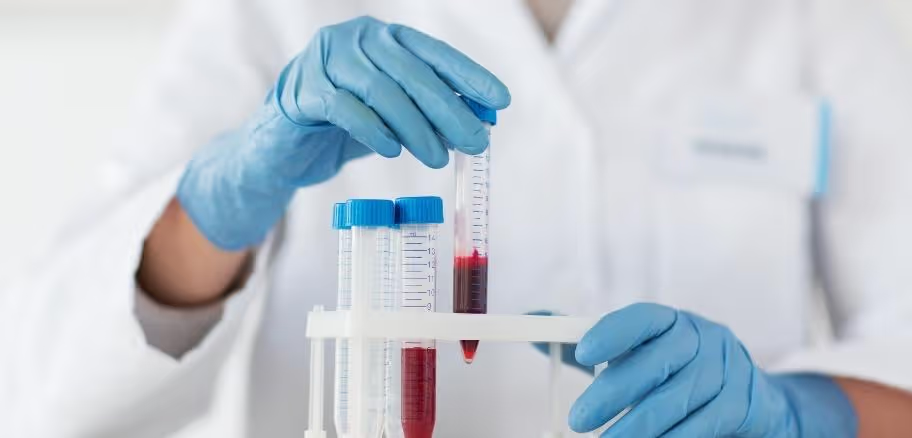
Micronutrient testing is especially valuable because deficiencies often fly under the radar. We frequently see men taking vitamin D, magnesium, zinc, and other supplements without knowing whether they're truly deficient.
Identifying the deficiencies that may be affecting your energy levels, hormone production, and overall health allows you to make decisions based on real data—not just guesses.
Take a Smarter Approach to Hormone Optimization
Vitamin D and testosterone are clearly connected, but no vitamin is an outright cure for low T. If you're deficient, correcting your levels can support many of the systems that influence how you feel every day. For some men, that leads to major improvements in symptoms. For others, it reveals that something else needs attention.
The key is learning what's driving your symptoms. We use comprehensive lab testing to evaluate the factors that could be influencing your health. This allows us to create personalized treatment plans based on your unique needs rather than relying on assumptions.
Book a consultation with our team today to stop chasing symptoms and start finding answers.

Related Resources







.avif)