Red Light Therapy for Skin: What the Science Says About Wrinkles and Acne
Jump to
Red light therapy for skin is having a serious moment. We’re seeing it everywhere from med spas to wellness clinics and even in advertisements for at-home devices, promising smoother skin and fewer breakouts. That all sounds great, but does it actually work? And if it does, what exactly is it doing beneath the surface?
It’s gained a lot of attention for being non-invasive and relatively low risk. There’s no downtime, no needles, and no harsh peeling process. But popularity alone doesn’t make something effective, and details matter. That’s why our health experts are breaking it all down for you.
Let’s explore how red light therapy works, what it can improve, and how to use it as part of your skincare regimen.
How Does Red Light Therapy for Skin Work?
At first glance, it can feel strange that light alone could influence your skin. But your cells respond to light in very specific ways, and red light therapy is built around that concept.
Red light therapy uses controlled wavelengths of red and near-infrared light to stimulate activity inside your skin cells. Unlike sunlight, it doesn’t contain ultraviolet light, so it doesn’t tan the skin or cause DNA damage. Instead, it penetrates the surface and interacts with the mitochondria, which are responsible for producing energy inside each cell.
When those cells produce more energy, several things tend to happen over time:
- Collagen production increases
- Circulation improves
- Inflammation becomes more regulated
- Tissue repair becomes more efficient
That’s why red light therapy is commonly used for concerns like fine lines and breakouts. It’s also one of the most commonly discussed tools in the biohacking and longevity space.
Because it supports cellular energy production and circulation, red light therapy extends beyond skin and into broader conversations. If you’re curious how it fits into a bigger longevity strategy, we break that down in the below episode of the Women Want Strong Men podcast.
What Red Light Can Do for Wrinkles (& What It Can’t)
Most people start thinking about red light therapy because of aging concerns. Maybe they’re starting to see fine lines or texture changes that have become more noticeable. That process is largely driven by gradual collagen loss.
When used consistently, red light therapy can support collagen and elastin production. Over time, that can translate to smoother texture and softer fine lines. Many people also notice improved tone and less visible redness.
Here’s where it tends to be most helpful:
- Softening early fine lines
- Improving overall skin texture
- Reducing mild redness
- Supporting thicker, more resilient-looking skin
However, it’s worth noting that it won’t replace structural treatments. It won’t erase deep wrinkles overnight or lift significantly sagging skin. It also can’t undo decades of sun exposure in a handful of sessions. Think of it as a long-term support tool; collagen remodeling takes time.
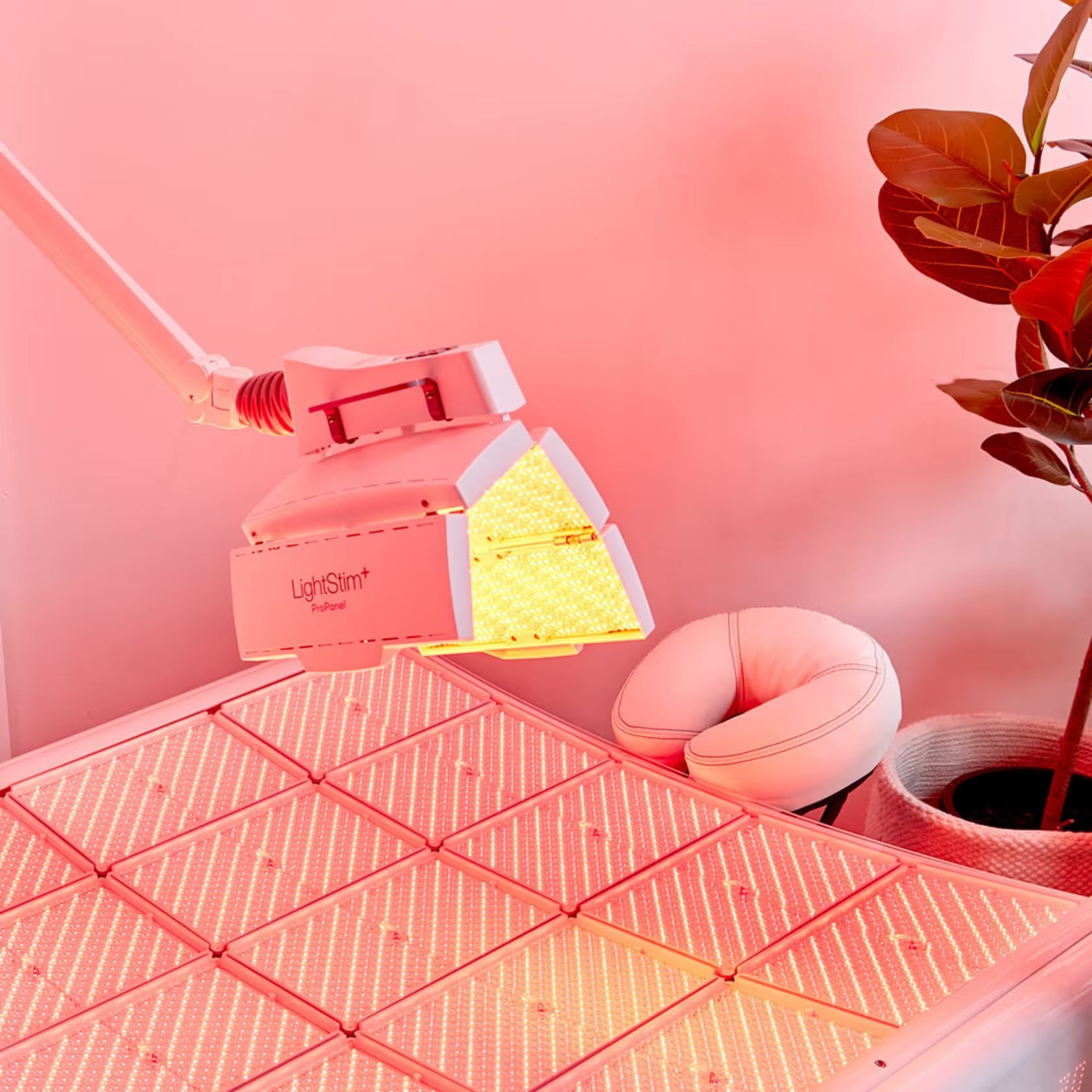
Most people need several weeks to notice texture improvements and a few months to see more meaningful collagen-related changes. In clinical settings, full-body LED beds are often used to ensure consistent exposure, and facial light shields can target fine lines more directly.
How Does Light Therapy Help Breakouts?
Acne is a lot more complex than simply having excess oil. It involves bacteria, inflammation, clogged pores, and sometimes hormonal shifts. That’s why different types of light are used for different parts of the process.
Blue light is commonly used to target acne-causing bacteria. It helps reduce bacterial activity in the skin, which can calm inflammatory breakouts. On the flipside, red light helps regulate inflammation, reduce redness, and support healing after a breakout forms.
That’s why acne-focused devices, like the FDA-cleared LightStim for Acne system, combine both red and blue wavelengths designed specifically to target bacteria while calming inflammation. Together, red and blue light can support:
- Reduced inflammation in active pimples
- Faster healing after breakouts
- Lower overall bacterial load in mild to moderate acne
Red light therapy is often most effective as part of a broader acne plan. It can complement topical treatments such as salicylic acid or benzoyl peroxide, but it’s not a standalone solution for severe cystic acne or deeply hormonal breakouts.

What to Expect From Red Light Therapy
Before starting any new therapy, it helps to understand what kind of results are realistic. This is a cumulative treatment. It supports how your skin functions over time rather than creating dramatic overnight change. Here’s a look at the potential benefits and tips for better results.
Benefits of Red Light Therapy for Skin
With consistent use, red light therapy may improve overall skin quality in the following ways:
- Smoother skin texture
- Softer appearance of fine lines
- Reduced visible redness
- Faster recovery after breakouts
- More even tone and healthier-looking skin
Simple Tips for Better Results
If you’re going to invest the time, here’s how to get the most from each session:
- Follow a consistent weekly schedule
- Stick to recommended session length
- Use proper eye protection when advised
- Pair it with daily sunscreen
- Maintain supportive skincare that protects your barrier
- Choose devices with clearly defined wavelengths and appropriate clearance
It’s also important to keep a few limitations in mind. Results depend on device quality and wavelength accuracy. More exposure doesn’t necessarily equal better outcomes. Red light therapy gradually improves skin function, but it doesn’t replace treatments designed for deep wrinkles, significant laxity, or severe acne. It works best as part of a long-term plan.
Do All Red Light Therapy Devices Work the Same?
No. Sitting under a red heat lamp or using a generic LED panel isn’t the same thing as clinically designed light therapy. For red light therapy to be truly effective, it would need specific wavelengths and precise dosing.
If the wavelengths are off, the light may not properly penetrate the skin or stimulate cellular activity. That’s why we’re so particular about the devices we use and recommend. LightStim devices use multi-wavelength LED technology, combining amber, red, light red, and infrared light in a single treatment. Each wavelength targets a different depth of the skin.
Together, this allows the device to:
- Stimulate collagen production in the upper skin layers
- Improve circulation in deeper tissue
- Reduce inflammation associated with breakouts or redness
Because multiple wavelengths work at the same time, the treatment can address surface concerns like fine lines while also supporting deeper tissue repair. LightStim devices are also FDA-cleared and designed specifically for therapeutic skincare use, so the wavelengths are calibrated to work together for therapeutic results rather than emitting generic red light.
Who Should Consider Red Light Therapy for Skin?
Red light therapy tends to be a good fit for people who want steady, non-invasive improvements rather than dramatic, immediate changes. It can make sense if you’re noticing early signs of aging, dealing with mild to moderate breakouts, or simply looking for a proactive approach to long-term skin health.
If you’re hoping for deep wrinkles to disappear quickly or struggling with severe acne that requires prescription-level intervention, it may not be ideal. Additionally, anyone taking medications that increase light sensitivity should check with a healthcare provider beforehand.
For most people, red light therapy for skin fits best as part of a proactive strategy. It won’t mask surface-level concerns, but it can support the health and function of your skin.
Light Therapy Beds vs. Handheld Devices: What’s the Difference?
One of the most common questions we hear from patients is whether in-clinic light therapy beds are better than handheld devices used at home. The answer depends on what you’re trying to accomplish and how you prefer to maintain consistency.
- Full-body LED beds treat larger areas at once and deliver controlled, consistent exposure. They are useful for people who want comprehensive coverage and a structured session. In clinical environments, sessions often include full-body light exposure along with targeted facial treatment to ensure adequate dosing for wrinkles.
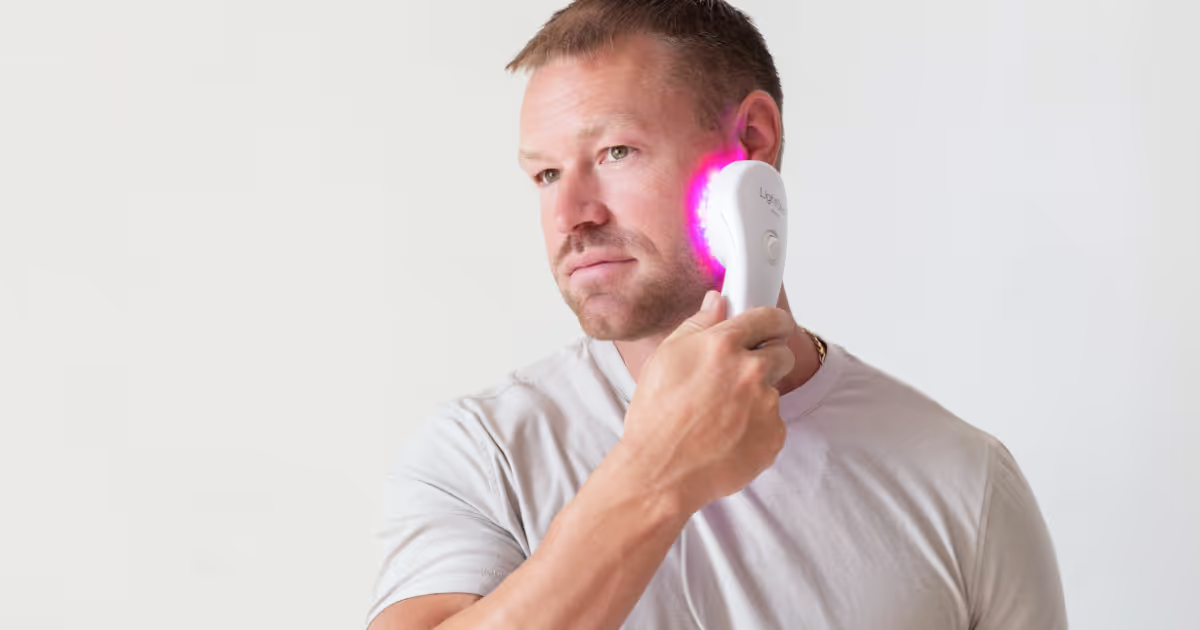
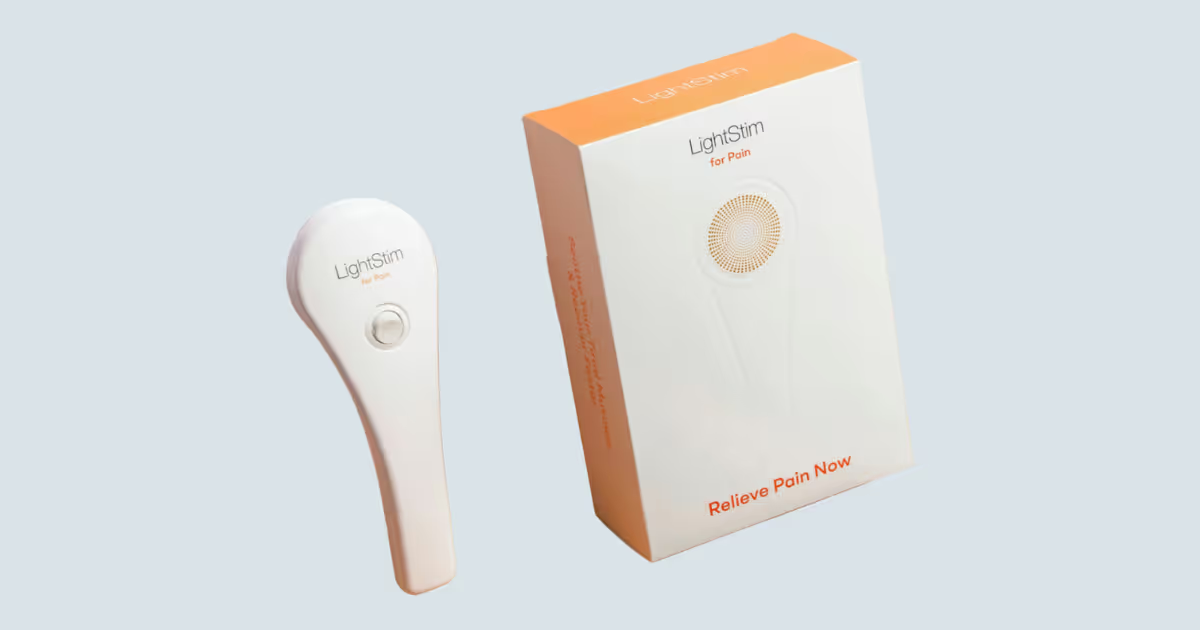
- Handheld devices are designed for more targeted treatment. They work well for specific areas such as crow’s feet, jaw lines, or localized acne. They’re convenient and can be used at home, but they require consistent use.
Bottom line? Neither approach is inherently superior. Beds provide scale and structure, while handheld devices provide flexibility and maintenance support. The right choice depends on your goals, budget, and how likely you are to stay consistent.
Get Proactive With Your Skin Health
Red light therapy for skin isn’t a miracle cure, but it’s also not just another wellness trend. When used consistently and with realistic expectations, it can meaningfully support collagen production, calm inflammation, and improve your overall skin quality over time.
At Victory Men’s Health, we approach light therapy the same way we approach other aspects of health optimization. Whether you’re exploring full-body LED bed sessions or considering a targeted handheld device, we’ll help you match the right support for your goals.
Curious about how red light therapy could fit into your routine? Book a consultation with our team to talk through your options and build a sustainable plan that works for you.

Related Resources


.avif)