Supplements for Anti-Inflammation (For Better Energy, Joints, & Gut Health)

Jump to
Supplements for anti-inflammation are everywhere, and most of them promise more than they deliver. Many products rely on trendy ingredients, proprietary blends, or doses so low they do nothing at all. In some cases, they can even make inflammation worse.
That is why finding true inflammation support can feel frustrating. People cycle through one supplement after the next hoping to improve their symptoms, only to see little (if any) change. Many products aren’t designed around how the body regulates inflammation, which is why it’s important to do your research and consult with your provider before pulling out your wallet.
Today, we’re sharing the supplements for anti-inflammation that consistently make a difference when inflammation is affecting your energy, joints, and gut health. These recommendations are based on clinical experience and what works in practice, not false label claims or trends.
Common Causes of Chronic Inflammation
Chronic inflammation rarely shows up out of nowhere. It tends to build slowly, often as the result of everyday stressors and small imbalances that add up over time. Many people are doing what they believe are “the right things” and still feel tired or achy, which can make inflammation especially frustrating to pinpoint.
Understanding the most common drivers of chronic inflammation helps us make sense of why those symptoms stick around and what needs to be addressed so you can move forward.
Some of the most common contributors include:
- Gut issues – Poor digestion, food sensitivities, and a weakened gut lining can trigger immune responses that affect your entire body.
- Blood sugar swings – Frequent spikes and crashes place stress on the body and increase inflammatory signaling.
- Ongoing stress and poor sleep – When the body never fully recovers, inflammation tends to linger.
- Nutrient gaps – Low levels of key minerals and vitamins make it harder for your body to regulate inflammation and repair tissue.
- Highly processed foods and excess alcohol – These increase oxidative stress and disrupt gut and metabolic health.
- Hormonal imbalance – Hormones help regulate immune function and tissue repair. When they’re off, inflammation often follows.
- Autoimmune conditions – In autoimmune diseases, the immune system mistakenly attacks the body’s own tissues. This ongoing immune activity can drive persistent inflammation and contribute to symptoms throughout the body.
Chronic inflammation usually reflects deeper metabolic and gut-related stress. In the below episode of the Women Want Strong Men podcast, James LaValle breaks down the connection between gut health and inflammation, and why supporting your body at a systems level matters.
6 Best Supplements for Anti-Inflammation
Anti-inflammatory supplements are not meant to completely shut inflammation down. It has a purpose! The goal is to help the body regulate it more effectively so recovery, energy, and digestion can improve over time.
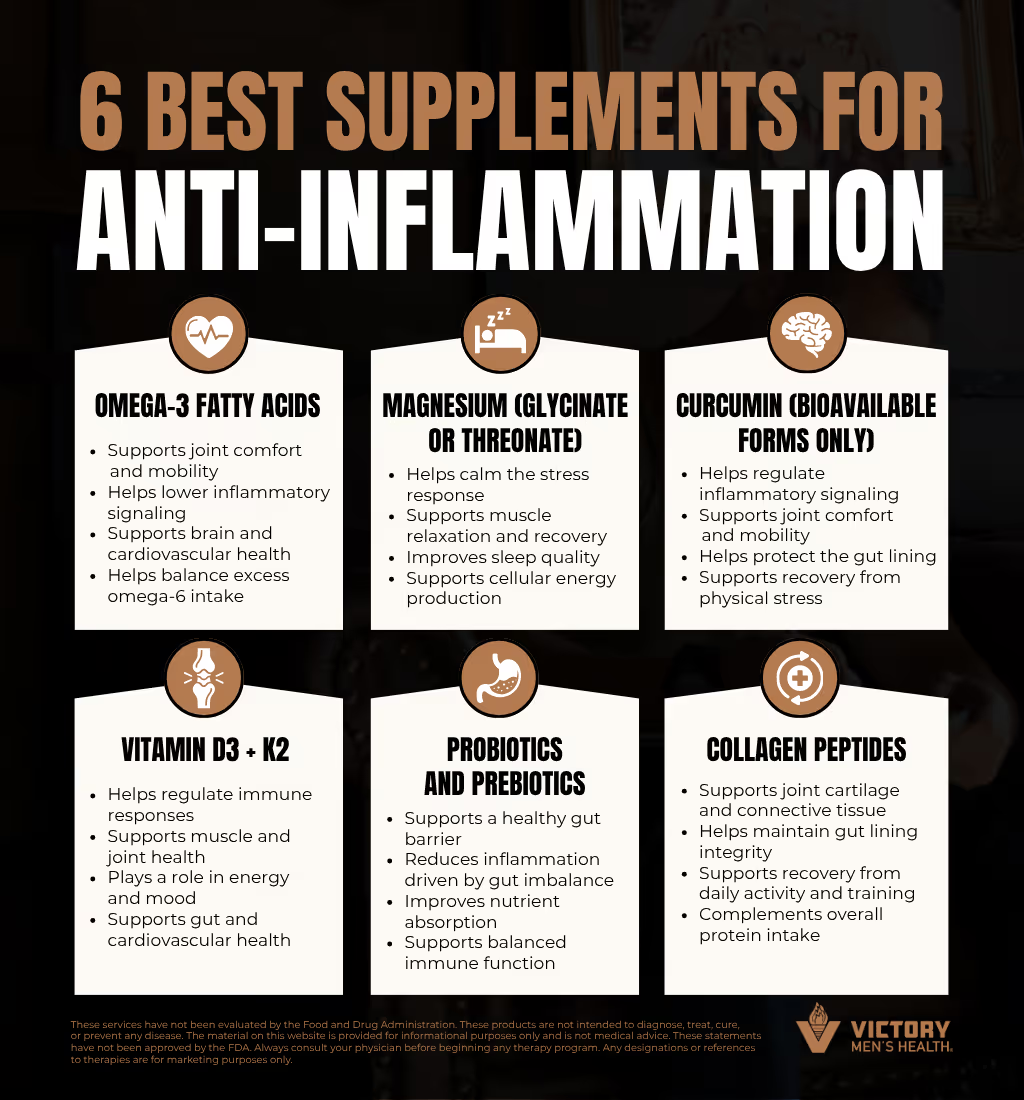
The most commonly used supplements for anti-inflammation include:
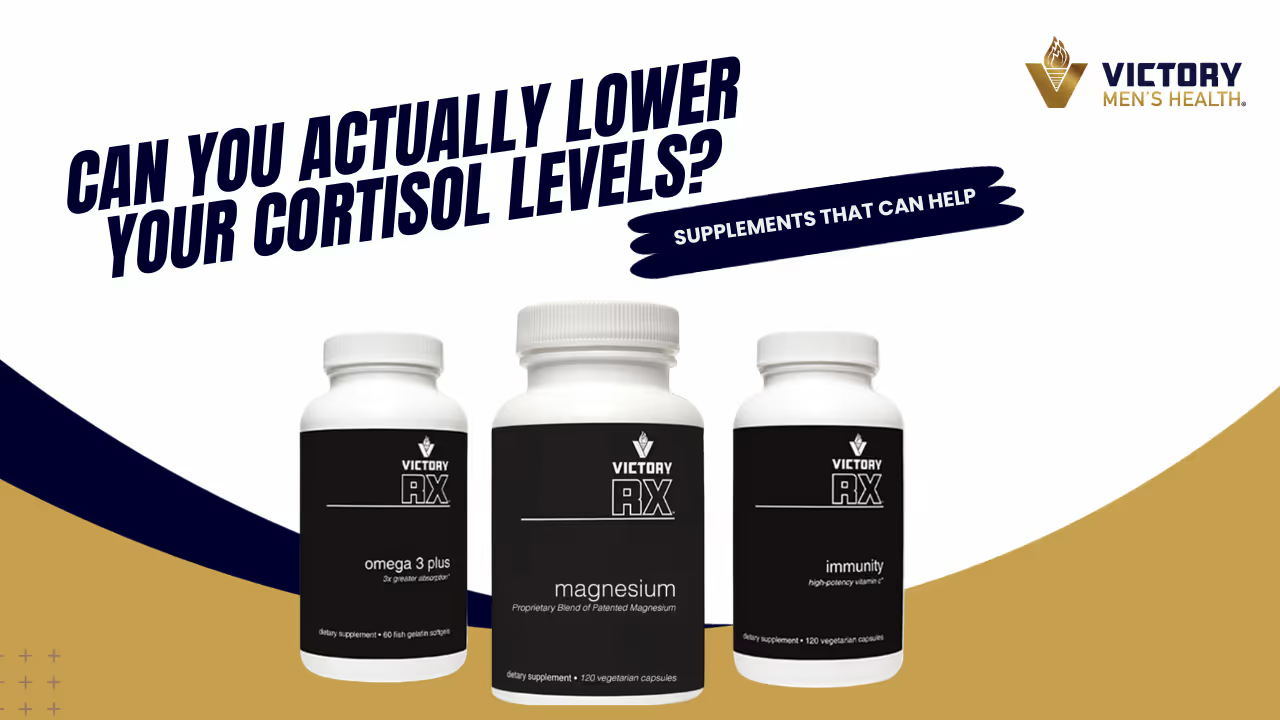
- Omega-3 Fatty Acids
- Magnesium (Glycinate or Threonate)
- Curcumin (Bioavailable Forms)
- Vitamin D3 + K2
- Probiotics and Prebiotics
- Collagen Peptides
Omega-3 Fatty Acids
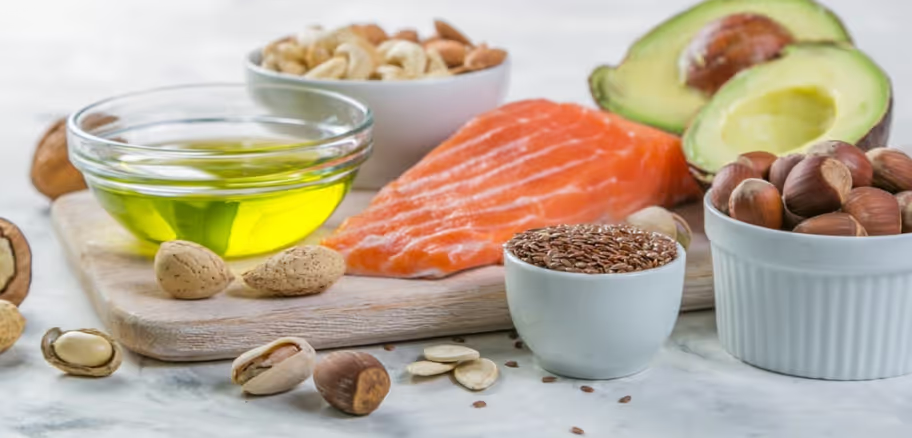
Omega-3s are one of the most reliable supplements for supporting inflammation. While they’re found in foods like salmon, sardines, walnuts, and flaxseed, most people don’t consume these foods consistently enough to reach levels that would meaningfully support inflammation. When diet alone isn’t enough, supplementation helps fill that gap.
How omega-3s support inflammation:
- Support joint comfort and mobility
- Help lower inflammatory signaling
- Support brain and cardiovascular health
- Help balance excess omega-6 intake
Magnesium (Glycinate or Threonate)
Magnesium plays a key role in how the body handles stress and regulates inflammation. When our levels are low, we tend to feel more tense, inflamed, and run down. Because our bodies use up magnesium so quickly, supplementation can help support energy production, muscle recovery, and inflammatory balance.
How magnesium supports inflammation:
- Helps calm the stress response
- Supports muscle relaxation and recovery
- Improves sleep quality
- Supports cellular energy production
Curcumin (Bioavailable Forms Only)
Curcumin is one of the most well-studied compounds for inflammation support, especially when joint discomfort or gut irritation are present. It works by influencing inflammatory pathways that are often overactive in chronic inflammation. Standard turmeric is poorly absorbed, which is why bioavailable forms of curcumin are necessary to see real results.
How curcumin supports inflammation:
- Helps regulate inflammatory signaling
- Supports joint comfort and mobility
- Helps protect the gut lining
- Supports recovery from physical stress
Vitamin D3 + K2
Vitamin D plays a major role in immune regulation and inflammatory balance, but it works best when paired with vitamin K2. Together, they support proper calcium metabolism, immune function, and tissue health. Many people have low vitamin D levels, even if they spend time outdoors, drink plenty of milk, or take a basic multivitamin.
Contrary to popular belief, milk actually contains very low amounts of vitamin D. The sun is your best natural source. However, if your levels are still low despite your best efforts, then targeted supplementation can help.
How vitamin D3 and K2 support inflammation:
- Helps regulate immune responses
- Supports muscle and joint health
- Plays a role in energy and mood
- Supports gut and cardiovascular health
Probiotics and Prebiotics
A large portion of chronic inflammation begins in the gut. When digestion is compromised or the gut lining is weakened, inflammatory compounds can enter circulation and impact your entire body. Probiotics and prebiotics work together to support gut balance, improve digestion, and reduce inflammation that starts at the source.
How gut support helps inflammation:
- Supports a healthy gut barrier
- Reduces inflammation driven by gut imbalance
- Improves nutrient absorption
- Supports balanced immune function
Collagen Peptides
Collagen provides structural support for joints, connective tissue, and the gut lining. While it doesn’t directly lower inflammation markers, it supports the tissues that are often affected by chronic inflammation and daily stress. Supplementing with collagen can help improve resilience and recovery, especially when your joints or digestion need some extra support.
How collagen supports recovery:
- Supports joint cartilage and connective tissue
- Helps maintain gut lining integrity
- Supports recovery from daily activity and training
- Complements overall protein intake
How to Find the Best Anti-Inflammatory Supplements
Many products hide lackluster efficacy behind flashy labels. True quality comes down to absorption, dosing, and transparency. When evaluating your options, always look beyond the label and focus on whether the ingredients are in forms and amounts your body can use.
Oftentimes, you can find quality supplements in reputable clinics like Victory Men’s Health. We prioritize bioavailable forms, clinically meaningful doses, and third-party testing for purity and potency. Even if you’re purchasing supplements elsewhere, using these same criteria can help you avoid products that look good on paper but fall short in practice.
FAQs About Anti-Inflammatory Supplements
How Long Does It Take for Anti-Inflammatory Supplements to Work?
Some people notice changes within a few weeks, while others may need several months. Individual results depend on consistency, dosage, and underlying contributors to inflammation.
What’s the Best Anti-Inflammatory Supplement for Joint Discomfort?
Omega-3 fatty acids and curcumin are commonly used to support joint comfort and mobility, especially when taken at appropriate doses. However, in many cases joint pain is also influenced by hormonal balance.
Therapies like testosterone or DHEA support can have anti-inflammatory effects and often provide more meaningful improvement when hormone levels are low. That’s why working with a licensed provider to evaluate the full picture often produces the best results.
Can Supplements Alone Reduce Inflammation?
Supplements can support inflammation regulation, but they work best alongside adequate sleep, balanced nutrition, regular movement, and stress management. Chronic inflammation rarely improves by addressing only one factor, which is why we look at the full picture first.
Should I Take Anti-Inflammatory Supplements Daily?
Consistency brings far better results than occasional use, especially when inflammation has been present for a long time. That said, you should always consult with your healthcare provider before making any changes to your supplement routine.
Take the First Step Toward Better Energy and Recovery
Low energy, stiff joints, slower recovery, and ongoing digestive issues are often signs that the body needs more support, not another quick fix. When you support your body, inflammation often becomes easier to manage and energy, movement, and digestion improve along with it.
At Victory Men’s Health, we look at inflammation as part of a bigger picture. Supplements can be a powerful tool, but only when paired with the right foundation. Our team uncovers the root cause driving inflammation and builds a personalized plan that supports lasting improvements.
Ready to take the next step? Book a consultation and begin the journey toward better health.

Related Resources


.avif)