Can Lack of Sleep Lower Testosterone?

Jump to
You probably know that a good night’s sleep is important for your health, but did you know that poor sleep can also lower your testosterone levels? If you're not getting enough rest, it may be affecting your testosterone levels, leaving you feeling drained both physically and mentally.
On the Women Want Strong Men podcast, we recently had the pleasure of chatting with Justin Groce, owner of the Restore Clinic, about testosterone and its link to health concerns like sleep apnea. Check out the full episode and keep reading to find out how lack of sleep affects testosterone and what you can do to fix it.
So, Can Lack of Sleep Lower Testosterone?
Yes, lack of sleep can lower your testosterone levels.
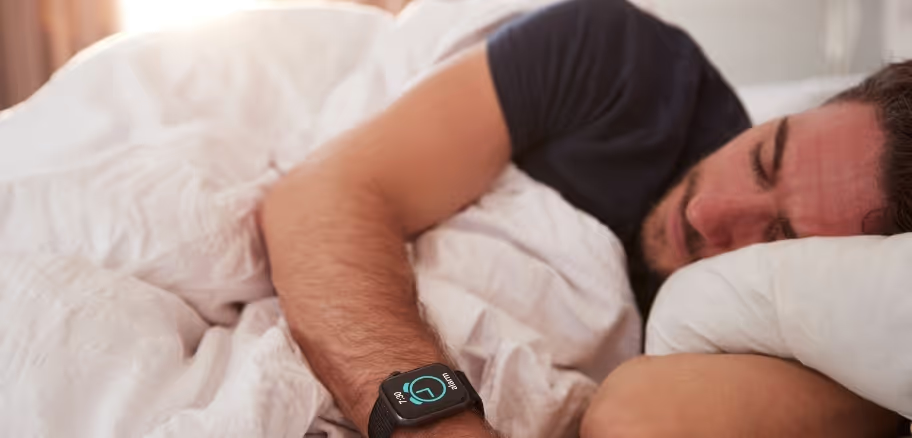
Testosterone production follows your body’s natural circadian rhythm, which is your internal clock that regulates sleep and wake cycles. Most of your testosterone is produced during sleep, particularly in the REM (rapid eye movement) stage.
This means that when your sleep is disrupted—whether it’s not getting enough hours or poor-quality sleep—your testosterone levels can take a hit.
In fact, studies have shown that men who get fewer than five hours of sleep a night have significantly lower testosterone levels than those who sleep a full eight hours. The connection is clear: poor sleep leads to lower testosterone, which can affect your energy, mood, and even your sex drive.
What Happens to Testosterone Levels When You Don’t Get Enough Sleep?
Many men notice the short-term effects of poor sleep on testosterone almost immediately. After just one night of bad sleep, your testosterone levels may drop the next day. You might notice feeling more fatigued than usual, having less energy, or even struggling with sexual performance.
Long-term sleep deprivation has an even more severe impact. Chronic lack of sleep can lead to consistently low testosterone levels, contributing to more serious health issues such as erectile dysfunction, muscle loss, weight gain, and decreased bone density.
During our episode with Justin Groce, he noted how testosterone production is closely tied to sleep quality and how men with sleep disorders, like sleep apnea, often experience lower testosterone levels. Groce emphasized that even if you feel you can “get by” on five or six hours of sleep, your hormone levels may tell a different story.
What Else Can Lack of Sleep Impact?
Beyond testosterone, lack of sleep can wreak havoc on many aspects of your health. Chronic sleep deprivation has been linked to issues such as:
- Increased risk of heart disease – Poor sleep is associated with high blood pressure, a major risk factor for cardiovascular issues.
- Weight gain – Sleep deprivation disrupts hunger hormones, leading to overeating and weight gain.
- Cognitive decline – Sleep is critical for brain function, and lack of it can lead to memory problems, reduced concentration, and brain fog.
- Mood disorders – Poor sleep is linked to anxiety, depression, and irritability.
- Weakened immune system – Your body repairs and strengthens its immune defenses while you sleep, so not getting enough rest can leave you more vulnerable to illness.
How Do I Know if My Testosterone Levels Are Suffering From Lack of Sleep?
How do you know if your testosterone levels are taking a hit because of your sleep patterns? Here are some common symptoms of low testosterone that may be linked to poor sleep:
- Low sex drive
- Erectile dysfunction
- Fatigue and low energy levels
- Difficulty building or maintaining muscle mass
- Increased body fat
- Mood swings, depression, or irritability
- Brain fog or trouble concentrating
- Decreased motivation or drive
- Hair loss
If you’re experiencing any of these symptoms and know your sleep could be better, it may be time to address both your sleep habits and your testosterone levels with a healthcare provider.
Tips For Getting Better Sleep
If you’re ready to prioritize your sleep and boost your testosterone, here are some tips to help you improve your sleep quality.
1. Stick to a schedule.
For many of our patients who work shifts, especially night or rotating shifts, the lack of a consistent sleep schedule can disrupt the body’s circadian rhythm—a key factor in regulating testosterone levels. Shift work has been linked to low testosterone, so sticking to a routine as much as possible is essential.
Try to go to bed and wake up at the same time every day, even on your days off. If you work nights or have a rotating schedule, it’s still beneficial to follow a bedtime routine so you can help your body adapt. Over time, this consistency can help your body fall asleep and wake up more naturally.
2. Don’t eat right before bed.
Avoid heavy meals at least two hours before bedtime to prevent discomfort and digestive issues that can keep you awake. Eating too close to bedtime can leave you tossing and turning, so give your body a chance to wind down for better sleep.
3. Reduce caffeine and alcohol.
Both can interfere with your ability to fall asleep and reach the deep stages of sleep your body needs for testosterone production. Instead, swap that late afternoon coffee or evening drink with herbal tea or water to promote relaxation before bed.
4. Exercise regularly.
Regular physical activity is a powerful way to improve sleep quality. Aim to work out earlier in the day, as exercising too close to bedtime can raise your heart rate and adrenaline, making it harder to wind down.
Another biohack that can help is cold plunge therapy—try it a few hours before bed rather than right before. The cool-down effect afterward can support relaxation and help you feel more ready for sleep when it’s time to hit the pillow.
5. Avoid napping.
If you’re struggling to sleep at night, cutting out naps during the day can help your body feel more tired when it’s time to go to bed. A quick daytime nap might seem tempting, but saving your rest for nighttime will help you get a more solid block of sleep. Feeling like you need a nap after eating lunch is a big red flag for sleep apnea!
6. Reduce stress.
High-stress levels can make it hard to sleep. Consider mindfulness practices like meditation, yoga, journaling, or deep breathing to relax before bed. Taking a few minutes to unwind can make a big difference in calming your mind and getting restful sleep.
7. Create a calm atmosphere.
We recommend wearing blue light glasses at night to block the blue light emitted from your screens, which disrupts melatonin production and can make it harder to fall asleep. Also, try to avoid digital media (phones, TVs, computers) for at least an hour before bed.
Instead, create a calm environment by making the room pitch dark—try using blackout curtains or a sleep mask to block out any light. A quiet, dark room will help signal your brain that it’s time for sleep, helping you drift off more easily.
8. Try supplements.
Targeted supplements can make a big difference. Magnesium glycinate and sustained-release micronized melatonin are excellent options to support restful, lasting sleep. If over-the-counter melatonin hasn’t worked well for you, it’s often because many versions lack the sustained release needed to help you stay asleep.
Melatonin levels decline with age and are affected by light, stress, and medications, so quality matters. Choosing a sustained-release form can improve sleep and provide additional antioxidant benefits for your overall health.
When Should I See a Doctor?
If you’ve tried improving your sleep habits but are still experiencing symptoms of low testosterone, it may be time to consult a healthcare provider. Symptoms like fatigue, low sex drive, and mood changes can be signs of a more significant hormonal imbalance that requires medical intervention.
Additionally, if you suspect you might have a sleep disorder, such as sleep apnea (which is common among men with low testosterone), it’s important to get tested.
On the podcast, Justin Groce shared with us how sleep apnea can contribute to low testosterone, and how many men who receive treatment for sleep disorders see improvements in their hormone levels.
Can Testosterone Replacement Therapy Help?
If your testosterone levels are low and lifestyle changes aren’t enough, testosterone replacement therapy (TRT) might be the solution you’re looking for. TRT is a safe and effective way to restore your testosterone levels, especially if poor sleep or other lifestyle factors have contributed to a long-term deficiency.
https://www.youtube.com/watch?v=F2ytpms4F6M
We offer several TRT options in our clinics, including injections, topical creams, and pellet therapy, designed to fit your lifestyle and goals. TRT can help you regain your energy, improve your mood, and enhance your overall quality of life, giving you the boost you need to feel like yourself again.
Ready to Restore Your Health and Vitality?
If you’re struggling with the effects of poor sleep and think it could be impacting your testosterone levels, don’t wait to take action. At Victory Men’s Health, we’re here to help you get your hormone levels back on track, whether it’s through improving your sleep habits or exploring testosterone replacement therapy.
Contact us today to book a consultation and begin the journey to better health. Let’s work together to restore your energy, confidence, and vitality!

Related Resources



.avif)