Type 2 Diabetes Can Be Reversed — Here’s What to Know

Jump to
Type 2 diabetes can be reversed, and that's something more people need to hear. While there's currently no guaranteed “cure” for the condition, we've seen firsthand how powerful lifestyle changes and improvements in metabolic health can be for blood sugar control.
It’s a common misconception that type 2 diabetes is a one-way street. In reality, many of the factors that contribute to insulin resistance can be improved. Whether your goal is lowering your A1C, reducing your reliance on medication, or working toward remission, here’s what to know.
What Causes Type 2 Diabetes?
Type 2 diabetes is often talked about as a blood sugar problem, but at its core, it's really an insulin resistance problem. Insulin helps move glucose from your bloodstream into your cells, where it can be used for energy. When your cells become resistant to insulin, glucose starts building up in the bloodstream, causing blood sugar levels to rise.
This process is influenced by several factors, including body weight, activity levels, nutrition, sleep, stress, and genetics. While some risk factors are outside your control, many aren't, which means there are often opportunities to improve metabolic health and blood sugar control.
We see patients make meaningful progress when they focus on improving the habits that contribute to insulin resistance. Small changes may not seem like much at first, but over time they can have a powerful impact on your metabolic health.
Weight Loss and Blood Sugar Control: What's the Link?
If you've spent any time researching diabetes remission, you've probably noticed that weight loss comes up again and again. That's because excess body fat, particularly around the midsection, is closely linked to insulin resistance.
As weight comes down, many people start to see improvements in their blood sugar levels, insulin sensitivity, energy levels, and overall metabolic health. Weight loss is one of the strongest predictors of type 2 diabetes remission.
The amount of weight loss needed varies from person to person. Some see improvements with modest weight loss, while others may need more significant changes to achieve remission. Either way, you don't need to wait until you've reached your goal weight to start seeing benefits.
Can Type 2 Diabetes Really Be Reversed?
For some people, yes. However, the medical community generally uses the term remission rather than reversal. Diabetes remission means blood sugar levels have returned to a non-diabetic range without the need for diabetes medications for an extended period of time.
While remission isn't the same thing as a cure, it can be a life-changing achievement. Research shows that some people can achieve remission through meaningful weight loss, improved insulin sensitivity, and long-term lifestyle changes.
Keep in mind: remission doesn't happen because of a single supplement or diet. It's usually the result of consistently improving the factors that contribute to insulin resistance in the first place.
How to Reduce or Reverse Type 2 Diabetes

While everyone's journey looks different, there are several evidence-based strategies that can help improve insulin sensitivity and support diabetes remission. Some people may see the biggest impact from weight loss, while others need to focus on a combination of factors.
The key is identifying where you have the greatest opportunity for improvement and building a plan you can stick with. The most effective ways to reduce or reverse type 2 diabetes include:
- Lose excess body weight
- Prioritize strength training and movement
- Focus on protein, fiber, and whole foods
- Improve sleep quality
- Manage chronic stress
Lose Excess Body Weight
Weight loss remains one of the most effective ways to improve insulin resistance. As excess body fat decreases, many people experience lower blood sugar levels, improved insulin sensitivity, and better overall metabolic health.
Prioritize Strength Training and Movement
Exercise helps your muscles use glucose more effectively, which can help lower your blood sugar levels and improve insulin sensitivity. We're big fans of strength training because building muscle gives your body another place to store and utilize glucose.
Walking after meals, strength training a few times per week, and staying active throughout the day can all make a difference.
Focus on Protein, Fiber & Whole Foods
Many people assume diabetes management is simply about avoiding sugar. While reducing excess sugar intake can help, your overall dietary quality matters just as much.
We often encourage patients to focus on building meals around protein, fiber-rich vegetables, healthy fats, and minimally processed foods. This approach tends to support more stable blood sugar levels while also making weight loss and appetite control easier.
Improve Sleep Quality
Sleep has a bigger impact on metabolic health than most of us realize. Low-quality sleep has been linked to increased insulin resistance, higher blood sugar levels, increased hunger, and weight gain. If you're putting effort into your nutrition and exercise habits but consistently getting poor sleep, you may be making the process harder than it needs to be.
Manage Chronic Stress
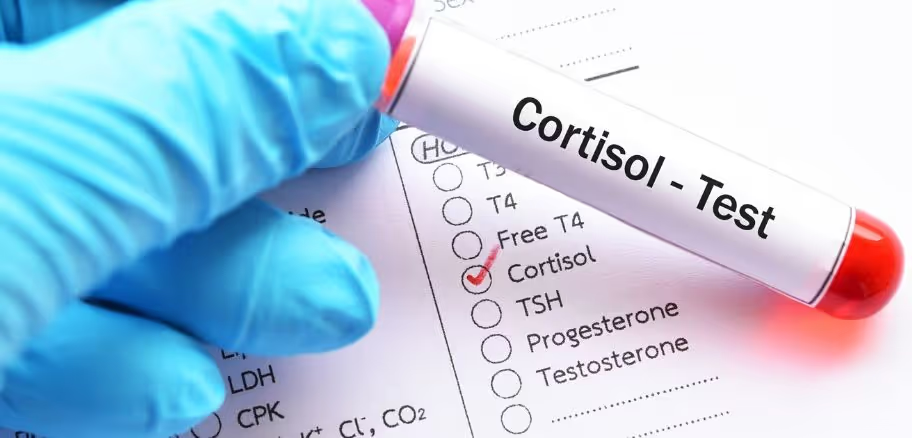
Stress affects more than just your mood. When stress becomes chronic, elevated cortisol levels can contribute to higher blood sugar levels and worsening insulin resistance over time. While most people can’t completely eliminate stress, it is possible to manage it.
Movement, sleep, mindfulness practices, calming hobbies, and any other activities that help you recharge can all be helpful for managing stress.
Can GLP-1 Medications Help?
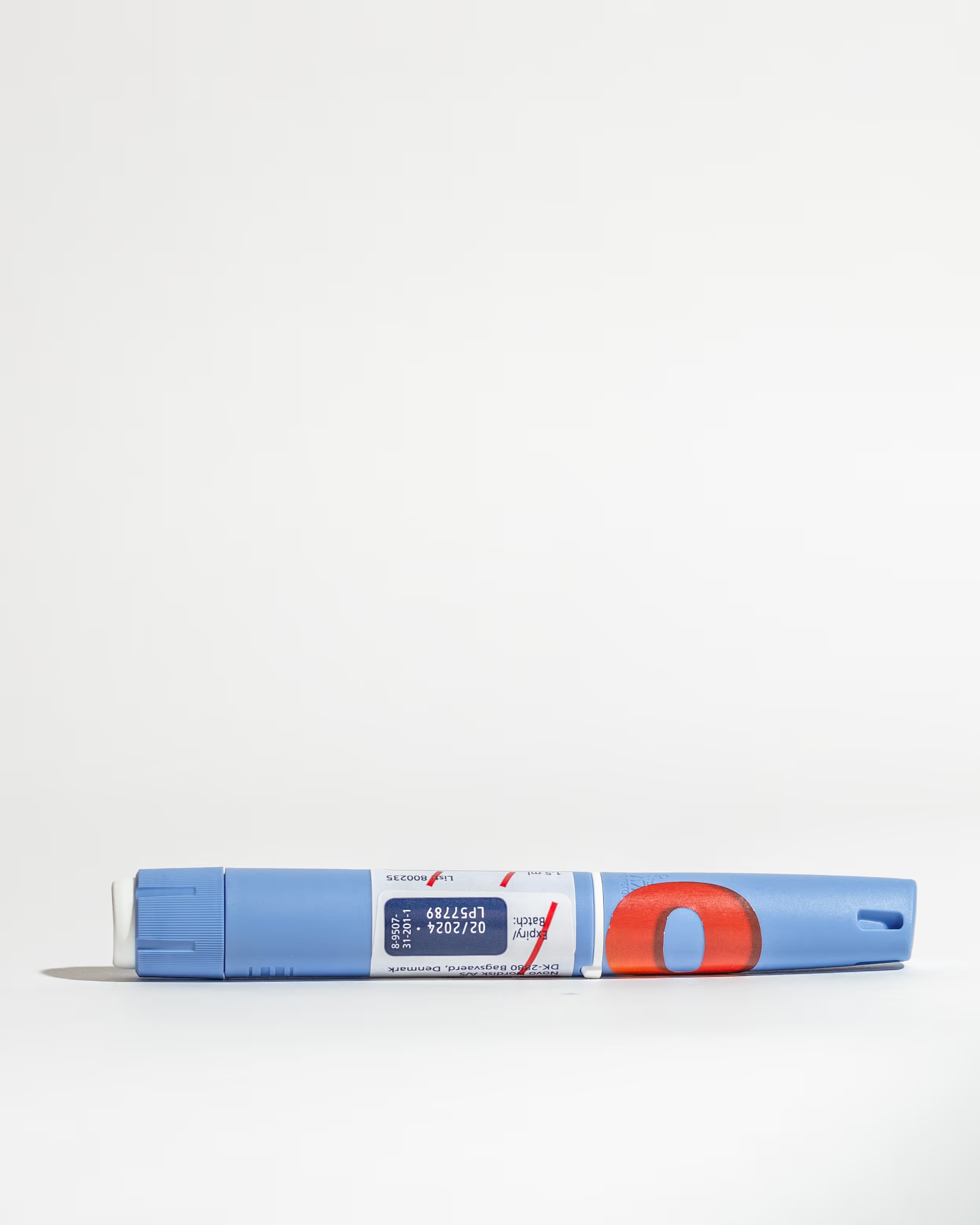
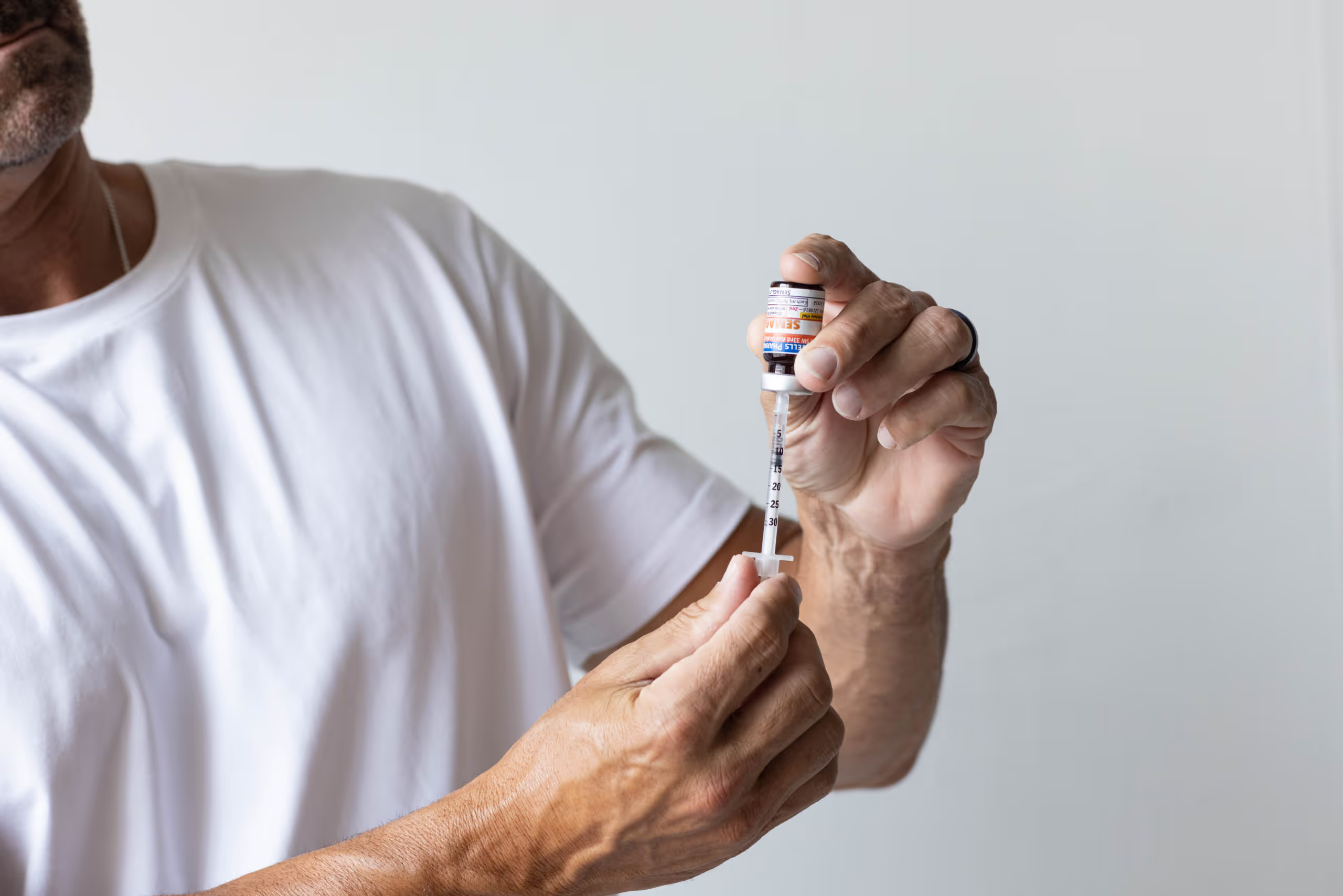
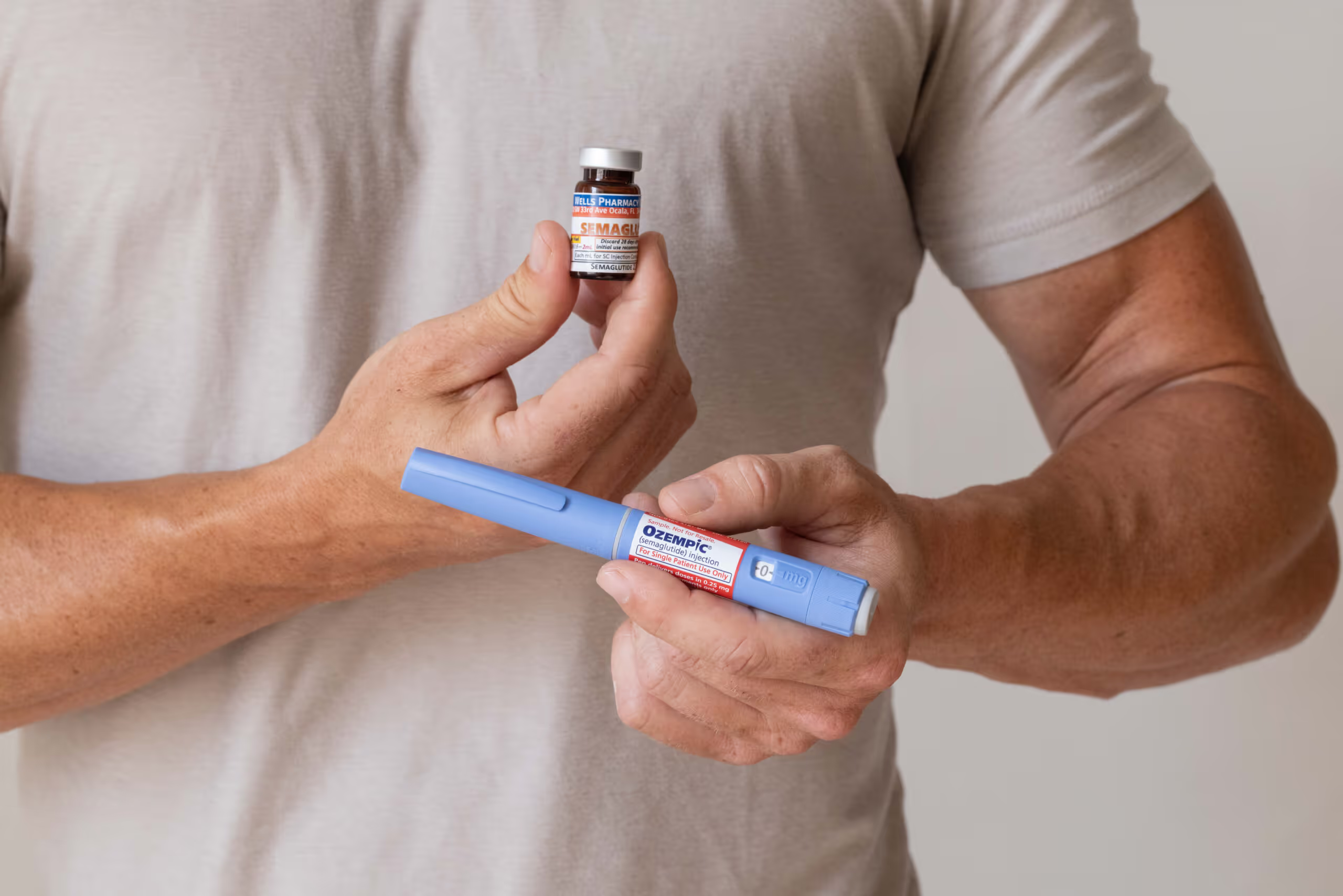
GLP-1 medications like semaglutide and tirzepatide have changed the conversation around weight loss and metabolic health. These medications help regulate appetite, improve blood sugar control, and often lead to significant weight loss.
Because weight loss is one of the strongest predictors of diabetes remission, it's easy to see why GLP-1s have become an important tool. For many patients, they help create momentum by making it easier to follow through on the healthy habits they already know they should be doing.
We view GLP-1 medications as exactly that: a tool. They're most effective when combined with good nutrition, exercise, quality sleep, and lifestyle changes. When used appropriately, they can play a role in improving insulin resistance and supporting diabetes remission.
Signs Your Type 2 Diabetes May Be Improving
Progress doesn't happen overnight, and it's not always reflected by a single number on a lab report. As metabolic health improves, many people begin noticing changes in how they feel long before they reach diabetes remission.
Signs your type 2 diabetes may be improving include:
- Lower A1C levels
- Improved fasting blood sugar readings
- Fewer blood sugar spikes after meals
- Reduced reliance on diabetes medications
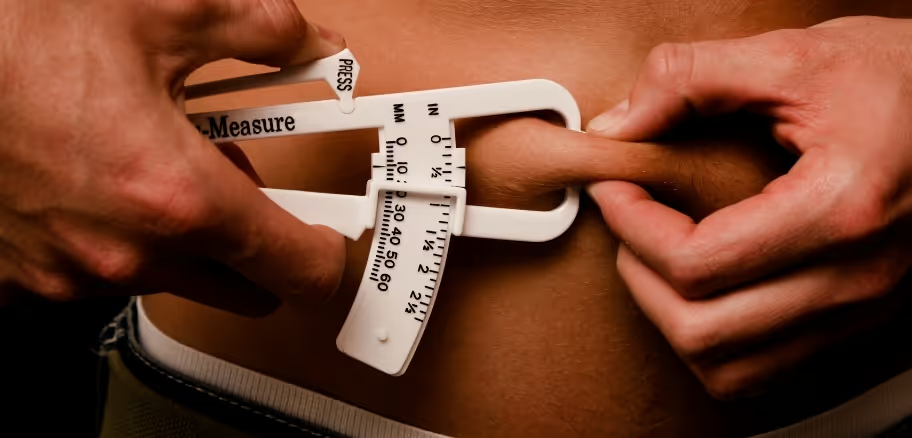
- Weight loss and reduced waist circumference
- More stable energy levels throughout the day
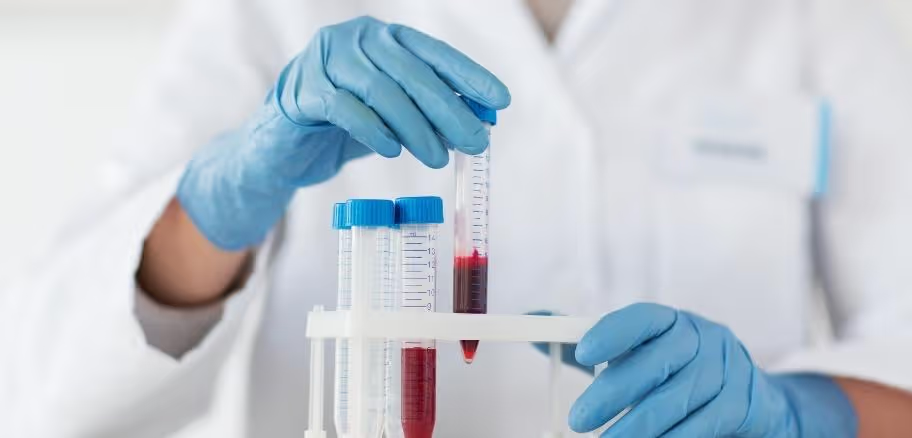
- Improved insulin sensitivity on lab testing
- Healthier cholesterol and triglyceride levels
- Less fatigue
- Reduced urination frequency
Remember, progress isn't all-or-nothing. Every improvement in blood sugar control and metabolic health is a step in the right direction.
Take Control of Your Metabolic Health
A type 2 diabetes diagnosis doesn't mean you're destined for worsening health. Many people are able to improve their blood sugar control and even achieve remission by addressing the underlying factors that contribute to insulin resistance.
At Victory Men's Health, we take a comprehensive approach to metabolic health. Whether you're interested in weight management, advanced lab testing, or creating a personalized plan to improve insulin sensitivity, we'll help you understand your options and take action.
Ready for change? Book a consultation today and let’s work together to improve your blood sugar control and achieve long-term success.

Related Resources






.avif)