NAD+ Injections vs. Supplements: Which Option Is Right for You?

Jump to
NAD+ injections are everywhere right now. From longevity podcasts and health influencers to med spas and wellness clinics, more people are talking about NAD+ as a way to support energy, healthy aging, and overall well-being. But with so much conflicting information out there, it’s hard to know what’s backed by science and what’s just another passing trend.
Whether you've heard about it from a friend or your own healthcare provider, it's natural to have questions. In this guide, we'll explain what NAD+ is, what the research says about its potential benefits and side effects, and how injections compare to supplements so you can decide which option best fits your health goals.
What Is NAD+ and Why Is Everyone Talking About It?
NAD+ (nicotinamide adenine dinucleotide) is a coenzyme that's naturally found in every cell of your body. It helps convert the food you eat into energy and supports many of the cellular processes that keep your body functioning properly.
As we get older, our NAD+ levels gradually decline. Researchers believe this may play a role in some of the changes associated with aging, including lower energy, slower recovery, and changes in overall cellular function. That's part of why NAD+ has become such a hot topic among people looking to support healthy aging and optimize their overall health.
Today, NAD+ is available in several forms: injections, IV therapy, and supplements. Each works a little differently, and choosing the right option depends on your goals and preferences. Understanding those differences can help you make a more informed decision before deciding whether NAD+ therapy is right for you and which form to go with.
What Are the Potential Benefits of NAD+?
The interest in NAD+ boils down to one simple question: Can it help you feel and function at your best as you age? While research is still evolving, scientists are studying NAD+ because of the important role it plays in cellular energy production and overall health.
That doesn't mean it’s a replacement for healthy habits like exercise, good nutrition, and quality sleep. But when used as part of a comprehensive wellness plan, many people turn to NAD+ for potential benefits such as:
- Cellular energy production
- Healthy aging
- Mental clarity and cognitive function
- Exercise recovery
- Healthy metabolic function
- Overall cellular health and well-being
Not everyone experiences the same results, and the type of therapy you choose can influence your experience. That's why figuring out the differences between NAD+ injections and supplements is a big part of deciding whether NAD+ is right for you.
NAD+ Injections vs. Supplements: What's the Difference?
The biggest differences between NAD+ injections and supplements come down to how NAD+ is delivered, how often it's taken, and the treatment plan that's right for your goals. Both options are designed to support your body's NAD+ levels, but they aren't necessarily interchangeable.
For some people, a daily supplement fits seamlessly into their routine. Others prefer a provider-guided injection protocol that's tailored to their needs. The more you know about your options, the more confident you’ll be in deciding which option makes the most sense for you.
Comparing NAD+ Delivery Methods
If you decide to pursue NAD+ therapy, you'll find that there are several ways it can be administered. Here's what to know about the different delivery methods:
- IV therapy: NAD+ is delivered through an intravenous (IV) infusion in a medical setting. This option is typically chosen by people who prefer clinician-administered treatments and don't mind spending more time in the office.
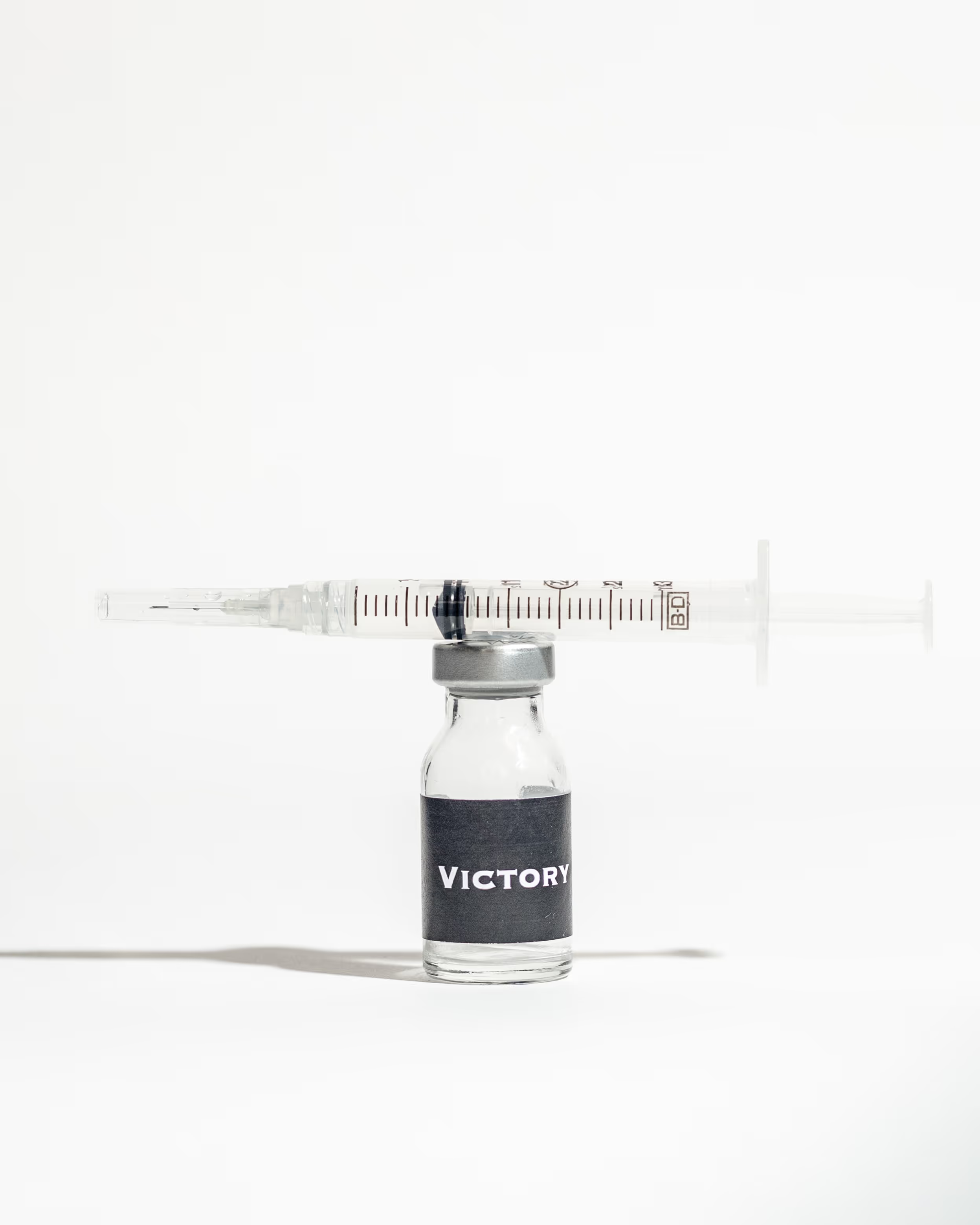
- Intramuscular (IM) injections: Deliver NAD+ directly into the muscle and are commonly offered by med spas as a once-weekly treatment. While convenient, the optimal dosing schedule for IM NAD+ hasn't been established in large clinical trials.
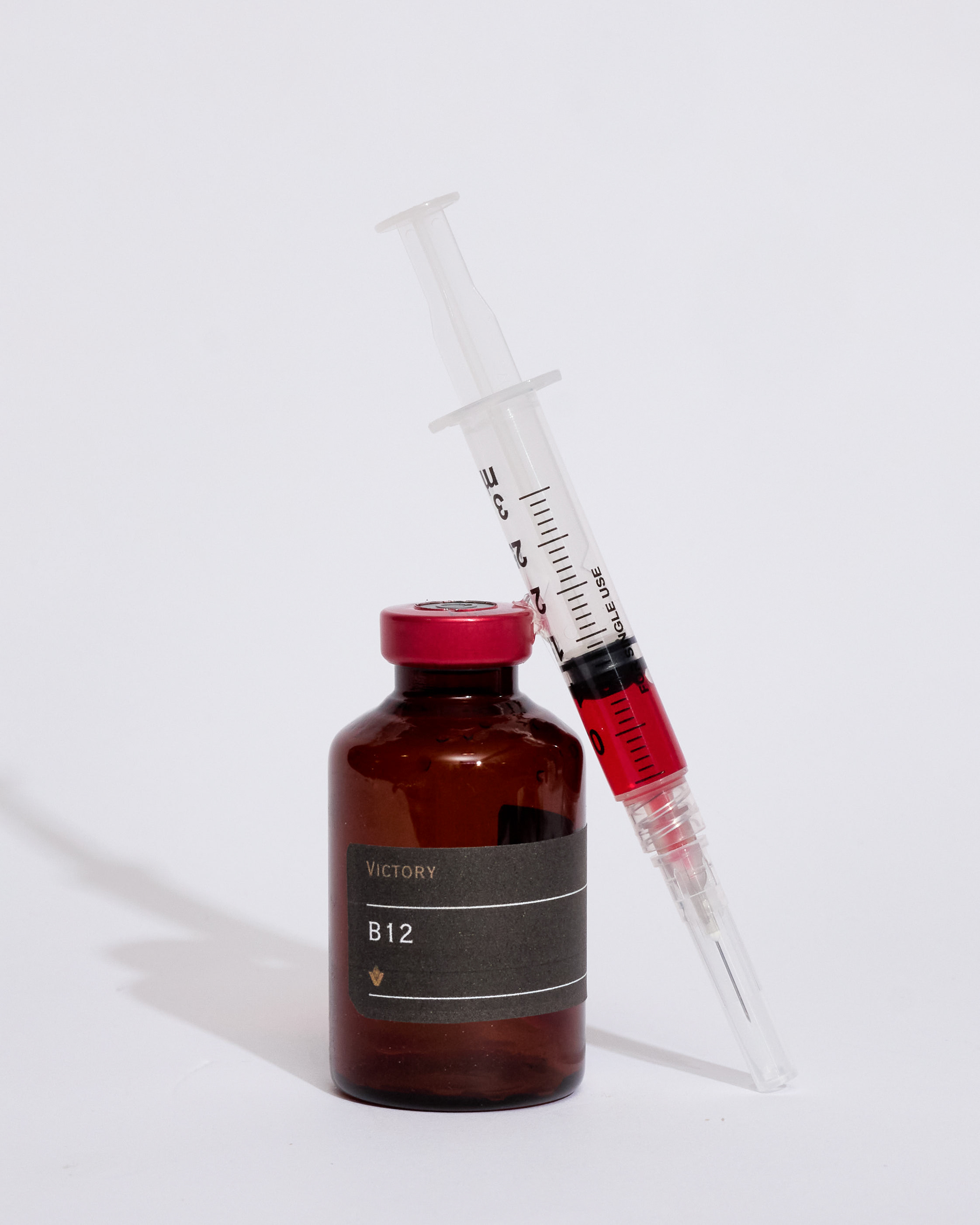
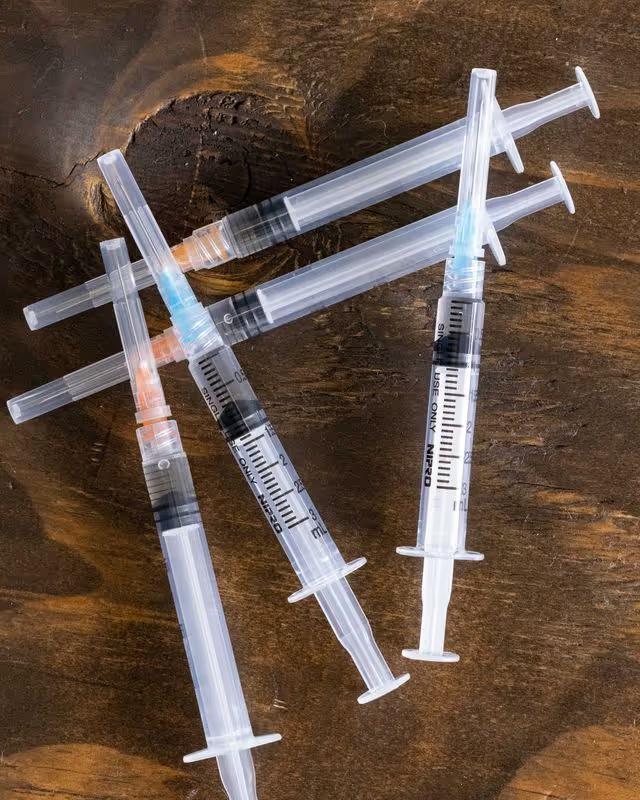
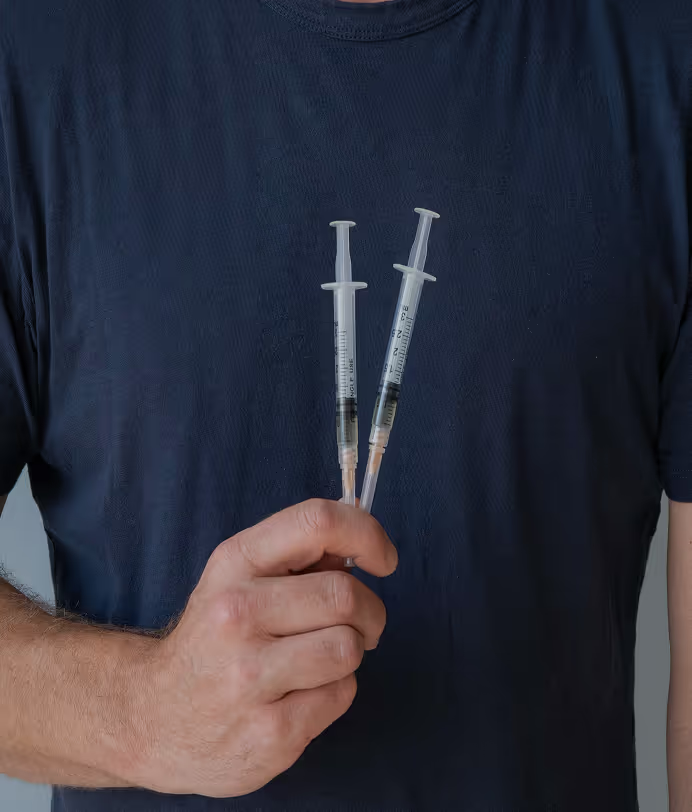
- Subcutaneous (SQ) injections: Administered into the fatty tissue just beneath the skin using a small needle. This approach makes it easier to use smaller, more frequent doses from home as part of a guided treatment plan.
- Sublingual NAD+ supplements: Dissolvable tablets or liquid formulations are absorbed under the tongue and offer a convenient option for people who prefer not to use injections.
- Oral NAD+ precursors: Capsules containing ingredients like nicotinamide riboside (NR) or nicotinamide mononucleotide (NMN) don't contain NAD+ itself. Instead, they provide precursors your body can use to produce NAD+, making them another popular option for supporting NAD+ levels.
Why We Recommend Smaller, More Frequent Doses
NAD+ has a relatively short systemic half-life. Because of this, we believe that smaller, more frequent doses make more sense than larger, once-weekly injections. Think of it like watering a plant. Regular watering keeps it healthy, but dumping a week’s worth of water on it all at once might not produce the desired outcome.
That's why we typically recommend subcutaneous (SQ) injections three times per week. This approach is designed to provide more consistent NAD+ availability while also helping reduce the side effects that can occur with larger doses.
One thing to keep in mind: clinical trials haven't yet established the ideal NAD+ injection dose or schedule. However, our protocol aligns with the current understanding of NAD+ pharmacology and emerging clinical research.
Are There Any Side Effects of NAD+ Injections?
NAD+ injections are generally well tolerated, but side effects are still possible. They're usually mild and temporary, especially when treatment is personalized and guided by a qualified healthcare provider.
Some people may experience redness or soreness at the injection site, while others may notice nausea, flushing, or headaches. Larger doses are generally more likely to cause discomfort, which is one reason we prefer smaller, more frequent injections whenever appropriate.
Everyone responds differently. Your health, medical history, and treatment plan can all influence your experience. Working with a qualified provider is the best way to help ensure your NAD+ protocol is both safe and right for your goals.
Which Option Is Right for You?
There's no “correct” answer when it comes to NAD+ therapy. The right choice depends on your health goals, your lifestyle, and what you're hoping to get out of treatment.
If convenience is your top priority, a daily supplement may work best. For a more personalized treatment approach that can be adjusted over time, NAD+ injections may be the better choice.
No matter which option you're considering, the most important step is speaking with a provider who can help you decide whether NAD+ makes sense for you.
Common Questions About NAD+ Injections
What Is an NAD+ Injection?
An NAD+ injection is a treatment designed to help support your body's NAD+ levels. Most injections are administered either subcutaneously (under the skin) or intramuscularly (into the muscle), depending on the treatment protocol recommended by your healthcare provider.
Who Should Consider NAD+ Therapy?
NAD+ therapy is worth discussing if you want to support healthy aging, maintain your energy levels, improve cognitive and physical performance, or optimize your overall health. Your provider can help determine whether it's a good fit based on your goals and medical history.
Are NAD+ Injections Better Than Supplements?
Not necessarily, but they aren't equivalent. Injectable NAD+ delivers a much greater effect than even high-quality supplements, which is one reason many people choose this approach. That said, a quality supplement taken consistently can still be a good fit for those looking for a simpler, lower-maintenance option.
How Often Should You Take NAD+ Injections?
There isn't a universally accepted dosing schedule. Many clinics use different protocols, and research is still evolving. We typically recommend smaller subcutaneous injections three times per week based on the current understanding of NAD+ and emerging research.
What Are the Side Effects of NAD+ Injections?
Most side effects are mild and may include redness or soreness at the injection site, nausea, flushing, or headaches. Your healthcare provider can help minimize side effects by recommending an appropriate treatment plan.
Start Feeling Your Best With Victory Men's Health
If you're interested in NAD+ therapy, the first step isn't choosing between injections and supplements. It's understanding your health goals, reviewing your medical history, and deciding whether NAD+ is an appropriate part of your wellness plan.
At Victory Men's Health, we take an evidence-based approach to longevity medicine. We'll help you understand your options, answer your questions, and recommend a treatment plan that's personalized to your needs instead of taking a cookie-cutter approach.
If you'd like to learn more about NAD+ injections or find out whether they're right for you, schedule a consultation with our team. We're here to help you make informed decisions about your health with guidance you can trust.

Related Resources







.avif)