Prebiotic vs. Probiotic Supplements for Gut Health: What’s the Difference?

Jump to
When men start paying attention to their microbiome, one of the first questions that comes up is often about prebiotics vs. probiotics for gut health. They sound almost the same, but they do very different jobs. Knowing the difference can be the key to better digestion, fewer cravings, and stronger overall health.
On an episode of the Women Want Strong Men podcast, we sat down with Pendulum CEO Dr. Colleen Cutcliffe to talk about how prebiotics and probiotics work hand-in-hand to support everything from our metabolism to immune health. Save the full episode below to listen later, and keep reading for the clear breakdown you need right now.
Prebiotic vs. Probiotic Supplements: What’s the Difference?
With such similar names, it’s easy to confuse prebiotics and probiotics. Probiotics are the live, beneficial bacteria that perform important jobs in your gut—like producing neurotransmitters, reducing inflammation, or helping metabolize carbs. Prebiotics, on the other hand, are the fibers and compounds that feed those good bacteria, allowing them to thrive.
Think of it this way: probiotics are like the gardeners, while prebiotics are the fertilizer. You can have one without the other, but when you combine them, you give your gut ecosystem the best chance to flourish. In the sections below, we’ll break it down even further.
What Are Prebiotics?
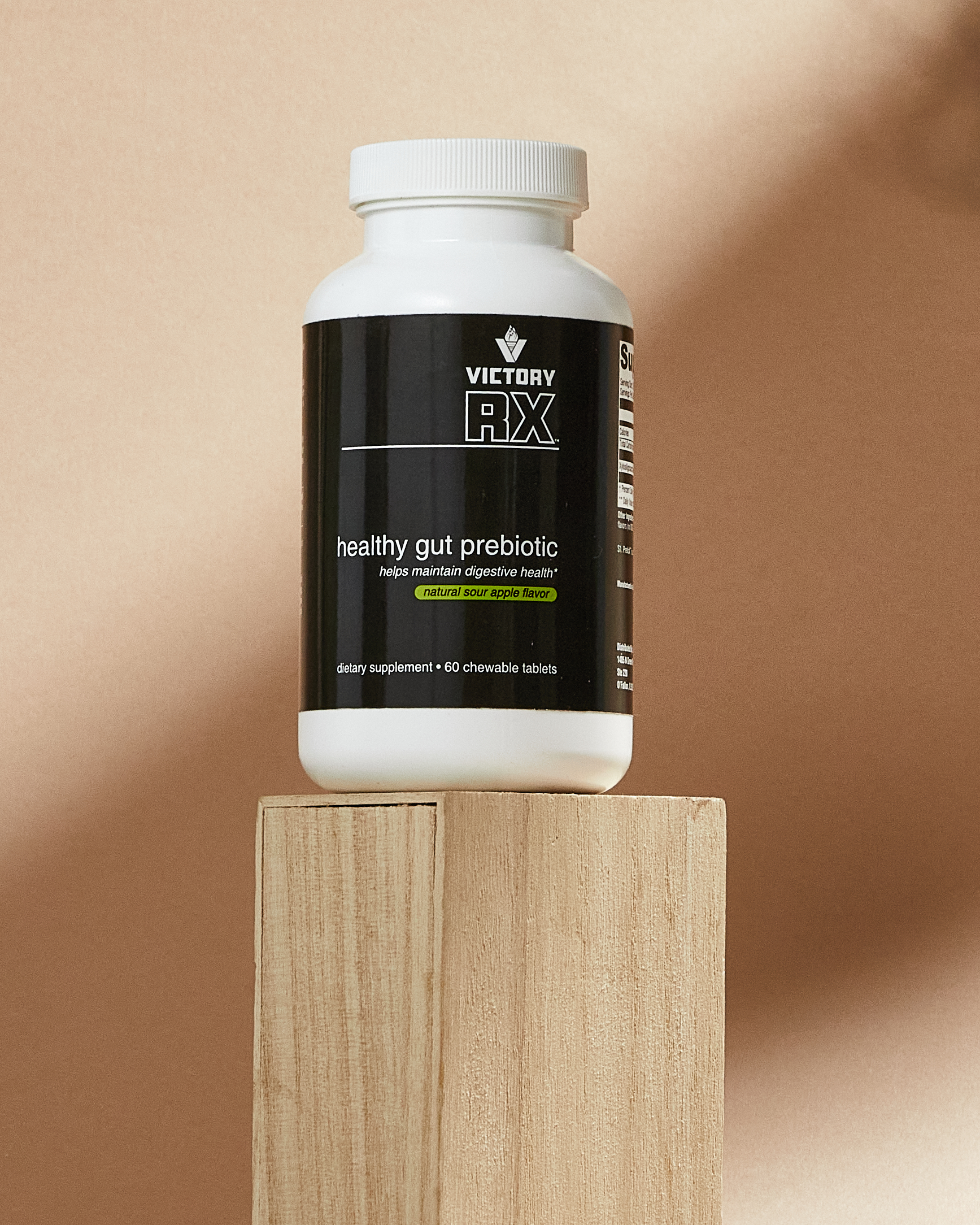
Prebiotics are non-digestible fibers that travel down to your colon, where they serve as fuel for beneficial microbes. Most people don’t get enough fiber in their diets, which means their “good bugs” may be underfed. Supporting your gut with prebiotics helps encourage the right strains to grow stronger.
Benefits of Prebiotics
- Feed beneficial bacteria, helping them colonize and do their job.
- Support digestion and reduce bloating over time.
- Improve blood sugar control by slowing the breakdown of carbs.
- Strengthen the immune system by reducing inflammation.
Best Sources of Prebiotics
- Foods: asparagus, onions, garlic, leeks, oats, green bananas, apples, beans, and lentils.
- Supplements: inulin, FOS (fructooligosaccharides), GOS (galactooligosaccharides), and polyphenol powders.
Side Effects of Prebiotics
Some people notice gas or bloating when starting prebiotics—especially in higher doses. Start slowly and give your gut time to adjust. If symptoms persist, talk with your provider about the right type and dose for you.
What Are Probiotics?
Probiotics are the live microbes that actively work to improve your gut health. These strains can help restore balance when your microbiome has been disrupted by factors like stress, poor diet, travel, aging, or antibiotics.
Benefits of Probiotics
- Replenish depleted gut bacteria.
- Aid digestion and reduce bloating.
- Support immune function and lower inflammation.
- Improve metabolic health and glucose control.
- May influence mood and brain health by producing neurotransmitters like serotonin and GABA.
Fun fact: Supplementing with probiotics containing the Akkermansia strain can help your body naturally boost its GLP-1 production to reduce food cravings and improve blood sugar balance.
Best Sources of Probiotics
- Foods: yogurt, kefir, sauerkraut, kimchi, miso, and kombucha.
- Supplements: look for high-quality formulas with clinically studied strains like Lactobacillus, Bifidobacterium, Akkermansia muciniphila, and Clostridium butyricum.
Side Effects of Probiotics
It’s possible to experience bloating or digestive changes when starting probiotics. That’s one of the reasons why quality matters, since cheap supplements may not survive stomach acid or truly contain the strains listed on the label. Choose a brand with delayed-release capsules and third-party testing to ensure what’s inside is what’s promised.
Should You Take Prebiotics and Probiotics Together?
You can take prebiotics and probiotics on their own, but they’re much more powerful as a team. Probiotics introduce beneficial bacteria into the gut, while prebiotics act as their preferred fuel source. When taken together, you help those good microbes thrive and settle in long-term.
This symbiotic partnership also leads to the production of butyrate, a postbiotic and short-chain fatty acid (SCFA) that plays a major role in gut and metabolic health. Butyrate has been shown to improve glucose control, combat inflammation, support immune function, and strengthen the gut lining to help prevent leaky gut.
If you’ve recently taken antibiotics, are dealing with bloating or cravings, or want better metabolic and immune support, pairing prebiotics with probiotics is an excellent place to start.
How to Choose the Right Gut Health Supplements
You shouldn’t just grab any gut health supplement off the shelf at CVS or Target. Many probiotics sold in these big-box stores don’t survive the trip through your stomach acid. Others don’t contain the strains or CFU counts listed on the label. Look for:
- Enteric or delayed-release capsules (to reach the distal colon, where they work best).
- Clinically studied strains with published data.
- Third-party testing for quality and potency.
- Transparent labeling so you know which specific strains you’re getting.
When it comes to prebiotics, choose fiber types like inulin or resistant starch that have been studied for gut health. Don’t forget that food sources count too, so you can increase your load by eating prebiotic-rich foods like asparagus and apples.
How Long Does It Take to See Results?
Patience pays off when it comes to gut health. Some people notice improved digestion or reduced bloating within a week, while others may need 8-12 weeks. In clinical trials, probiotic supplements designed for metabolic health were studied for 90 days because that matches the turnover time for A1C (a marker of blood sugar control).
The key takeaway? Give your gut time. Aim for at least 2-3 months of consistent use before deciding whether your gut health supplement is effective.
Who Should Avoid Prebiotics/Probiotics?
While they’re generally safe, not everyone should jump straight into supplementation. If you’re immunocompromised, undergoing chemotherapy, or on antifungal/antibiotic medication, check with your doctor first.
Additionally, if you’ve been diagnosed with SIBO or SIFO, you should avoid prebiotics until it’s cleared. Children and pregnant women can benefit from certain strains, but dosages and safety vary. Always consult your healthcare provider before starting a new supplement routine.
Prebiotic vs. Probiotic Supplement FAQs
Can Kids Take Prebiotics and Probiotics?
Yes, but dosing and strain selection matter. Some are safe for children, but you should always check with your provider before starting your kids on prebiotics or probiotics.
Can I Take Probiotics With Antibiotics?
You can, and it may actually help. Studies show probiotics taken during and after antibiotics can support faster recolonization of healthy gut bacteria.
When’s the Best Time To Take Them?
Consistency beats timing. Many people take probiotics with meals to help bacteria survival, while prebiotics can be taken anytime.
Do Probiotics Survive Stomach Acid?
Not always. Look for quality supplements with enteric or delayed-release capsules so the strains make it intact to your colon.
Are Foods or Supplements Better for Gut Health?
Both matter. Whole foods provide variety and fiber, while supplements deliver targeted strains at levels high enough to make a measurable difference.
Take Control of Your Metabolic Health Today
When looking at prebiotic vs. probiotic supplements for gut health, the answer is that they work best as a team. Probiotics provide the beneficial microbes, while prebiotics fuel their growth. But quality matters, and so does personalization.
At Victory Men’s Health, we don’t recommend a one-size-fits-all approach to gut health—or any aspect of your health. We start with comprehensive lab work to create a personalized treatment plan based on your results, symptoms, needs, and goals.
If you’re ready to optimize your digestion or take control of your metabolic health, our team can help you choose science-backed supplements and design a plan tailored to you. Contact us today to book a consultation and begin the journey to better health and vitality.

Related Resources



.avif)