Cancer Screening for Early Detection: What to Know & When to Go

Jump to
Most people don't spend much time thinking about cancer screening until someone they know gets a diagnosis. Then, prevention suddenly feels a lot more personal. While early detection doesn’t guarantee a particular outcome, it can create more options and a clearer path forward.
Whether you’re facing increased risk factors or looking into the latest cancer screenings to stay proactive, knowing what’s out there can help you make more informed decisions about your health. Here’s what to know about your options and the latest advances in early detection.
What Is Cancer Screening?
The words "cancer screening" can feel intimidating, even if you're healthy. That's because most of us associate cancer with treatment rather than prevention. In reality, screening is one of the most proactive steps you can take to protect your long-term health.
Many cancers can grow quietly for months or even years before causing noticeable changes. Screening is one of the few opportunities we have to gather information before the body starts sending warning signs. In many cases, that's exactly what makes it so valuable.
Different screenings test for different types of cancer. Some have been around for decades and are still the best option. Others are newer and take advantage of advances in genetics and diagnostic technology.
Together, they give us more ways to identify potential concerns early than ever before.
When Should You Start Cancer Screening?
This is one of the most common questions we hear, and the answer is rarely the same for everyone. Age certainly matters. Most screening recommendations are built around age-based cancer risk, which is why you'll see guidelines tied to specific milestones like age 45 or age 50.
At the same time, we've had plenty of conversations with patients who don't fit into those recommendations. Family history, lifestyle factors, and personal health history can all influence when it makes sense to start screening or how frequently you should get it done.
Try to think of cancer screening as a personalized conversation, not a checklist.
Risk Factors That May Require Earlier Screening
Certain factors can increase your risk and may warrant earlier or more frequent screening.
These may include:
- A family history of cancer
- Smoking or tobacco use
- Obesity
- Certain genetic mutations
- Chronic inflammatory conditions
- Environmental or occupational exposures
- A personal history of cancer or precancerous findings
If any of these apply to you, it's worth discussing your options with a healthcare provider. In many cases, waiting until the standard recommended age may not be the right approach.
Common Cancer Screenings Every Adult Should Know About
.png)
Many people know they're "supposed" to get certain screenings at certain ages, but they're not entirely sure what those screenings are and why they matter. Several cancer screenings have become standard recommendations because they've consistently proven their value over time.
Some of the most common include:
- Colon Cancer Screening – Colon cancer screening often begins at age 45 for average-risk adults and may involve a colonoscopy or stool-based testing.
- Prostate Cancer Screening – This screening typically involves a PSA blood test and, in some cases, a digital rectal exam. The right timing depends on your age, risk factors, and personal preferences, but typically begins at age 45.
- Breast Cancer Screening – Mammograms are one of the most important tools available for detecting breast cancer early.
- Cervical Cancer Screening – Routine Pap smears and HPV testing help identify changes that may lead to cervical cancer if left untreated.
- Skin Cancer Screening – Regular skin checks can help identify suspicious lesions before they become more serious.
- Lung Cancer Screening – For certain current and former smokers, low-dose CT scans may help detect lung cancer at earlier stages.
While these screenings play a critical role in preventive care, most are designed to look for a single type of cancer. That's where newer screening technologies have started taking a new approach, like the ones we offer in our clinics.
Can One Test Screen for Multiple Cancers?
For years, screening largely meant looking for one cancer at a time. A colonoscopy screened for colon cancer. A mammogram screened for breast cancer. A PSA test screened for prostate cancer. Those screenings are incredibly important and should never be skipped.
At the same time, many cancers still don't have routine screening options available. That's one of the reasons there's been so much interest in multi-cancer testing. The Galleri® Multi-Cancer Early Detection Test is a great example.
Rather than looking at a single organ or body system, it analyzes DNA fragments circulating in the bloodstream for signals associated with multiple types of cancer. For patients who want a more comprehensive view of their health, it's an exciting advancement in early detection.
How the Galleri Test Works
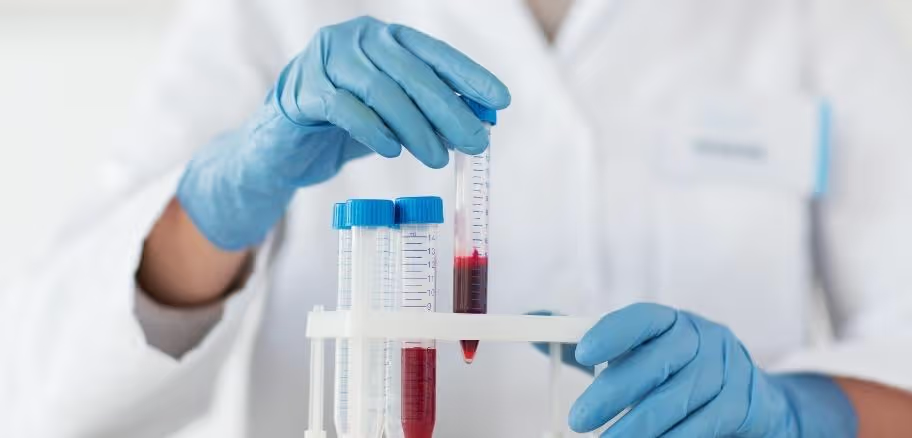
The Galleri test starts with a quick blood draw. Once the sample is collected, advanced laboratory technology analyzes DNA fragments in the blood for patterns that may be associated with cancer. If a cancer signal is detected, the test can often predict where in the body that signal originated to help guide next steps.
There's no imaging, preparation, or invasive procedure involved. It's a straightforward blood test that can provide information about more than 50 types of cancer. However, keep in mind that Galleri is designed to complement traditional screenings, not replace them.
Colonoscopies, mammograms, PSA testing, and other recommended screenings still play an essential role in preventive healthcare.

Who Should Consider Advanced Cancer Screening?
We typically see the most interest from patients who want to take a proactive approach to their long-term health. Sometimes that's because they've watched a family member go through cancer and want peace of mind. Other times, they're simply interested in learning as much as possible about their health before symptoms develop.
Advanced cancer screening may be worth discussing if you:
- Are age 50 or older
- Have a family history of cancer
- Have multiple risk factors for cancer
- Value preventive and longevity-focused healthcare
- Want additional screening beyond traditional recommendations
Ultimately, there isn't a universal answer. The best screening strategy is the one that's tailored to your individual health history, goals, and risk profile.
What to Do After an Abnormal Screening Result
Waiting on any test result can feel stressful, but it's important to remember that an abnormal screening result isn't a diagnosis—just a signal that we need more information. With the Galleri Multi-Cancer Early Detection Test, you'll receive one of two results: "No Cancer Signal Detected" or "Cancer Signal Detected."
If no cancer signal is detected, no additional testing is recommended based on the Galleri results alone. If a cancer signal is detected, the test can often predict where in the body that signal is coming from, helping guide the next steps in your evaluation.
From there, your healthcare provider may recommend additional imaging or diagnostic testing to learn more. Those follow-up tests will either confirm cancer or rule it out. Either way, the goal is to gather the information needed to make informed decisions about your health.
Take a More Proactive Approach to Your Health
We spend a lot of time talking about optimization and longevity, but none of those conversations matter much if we're ignoring serious health concerns that may be developing beneath the surface. That’s why cancer screening is such an important part of preventive healthcare.
Staying current on recommended screenings can help you take a more proactive role in protecting your future. At Victory Men’s Health, we're here to help you understand your options and take action before small concerns become bigger ones.
Curious about whether advanced screening is right for you? Book a consultation today and let’s take a more proactive approach to your health.

Related Resources





.avif)