Research Use Only Peptides: Why the FDA Is Ending the RUO Era

Jump to
If you’ve spent any time around peptides over the last few years, you’ve probably seen the phrase “Research Use Only” everywhere from vials to websites to influencer posts. Often paired with the fine print: not for human use.
That label created a loophole. And for a while, it worked…but that era is coming to a close. The FDA is shifting its focus away from surface-level marketing violations to instead focus on how injectable peptides are actually being made, handled, and sourced.
For patients, this shift matters more than any warning letter ever could. Today, we’re breaking down everything you need to know about research use only peptides, why they exploded in popularity, and why we believe medically supervised peptide therapy is the only path forward.
What Are Research Use Only (RUO) Peptides?
“Research Use Only” is not a quality standard and never was. RUO peptides are chemical compounds labeled and sold for laboratory research, not for use in humans. The label exists to define intended use, not to guarantee purity, sterility, dosing accuracy, or safety.
Over time, that distinction blurred. Many RUO peptides were marketed in ways that clearly appealed to human consumers: weight loss, fat loss, muscle gain, cognitive enhancement.
Influencers shared their go-to protocols and promo codes, and that disclaimer stayed—quietly covering everyone involved from a legal perspective. From a patient POV, the label created a false sense of reassurance. If it’s being sold everywhere, it must be safe enough…right?
That assumption is what regulators are now dismantling.
Are RUO Peptides Legal for Human Use?
Short answer: no. RUO (Research Use Only) peptides are not approved for human use. The label exists so companies can sell pharmaceutical compounds without prescriptions, pharmacies, or medical oversight.
These products are often sold direct-to-consumer, shipped to your home, and used without physician guidance or proper quality controls. This has never been considered a safe model for patient care.
Many people hear about RUO peptides from influencers, bodybuilders, or gym acquaintances who present them as a cheaper alternative to prescribed peptides. What’s missing from that pitch is the lack of regulation, accountability, and safety standards.
“Research use only” doesn’t make a compound safe for injection. It simply removes oversight.
That’s especially true with injectables. Regulators don’t just care what a vial says. They care how it’s promoted and manufactured, and how it moves through the supply chain. When those pieces don’t align, FDA enforcement follows, which is exactly what’s happening now.
Why Is the FDA Cracking Down on RUO Peptides Now?
For years, FDA peptide enforcement focused on websites and marketing claims. Were sellers implying human use? Were they advertising outcomes they couldn’t substantiate? That was the first phase, but the phase we’re at now is more serious.
Regulators are now looking upstream, at manufacturing and supply chains. And when they look there, many RUO peptide operations simply don’t hold up. Injectable products dramatically raise the bar. Sterility, traceability, documentation, and quality controls are foundational.
When those elements can’t be clearly demonstrated, regulators see medications being sold without prescriptions or medical oversight, which creates a major patient safety issue.
What Changed in the Supply Chain for RUO Peptides?
Many RUO peptide sellers don’t manufacture anything themselves. They rely on third-party labs, contract manufacturers, or overseas suppliers. In some cases, no single party has full visibility into where raw materials come from, how sterility is achieved, or how batches are tested.
From a patient safety standpoint, that means there’s no reliable way to confirm:
- Sterility
- Accurate dosing
- Purity
- Contamination risk
- Traceability if something goes wrong
For regulators, that’s a hard stop. And for patients, it means the phrase “you don’t know what’s in that vial” isn’t rhetorical.
What Are the Risks of Research Use Only Peptides?
Injectables bypass the body’s natural filtering systems. When something goes directly into your bloodstream, small inconsistencies matter more.
With RUO peptides, the most common risks include:
- Mislabeling – The dose on the vial doesn’t match what’s inside
- Potency variability – Under- or overdosing between batches
- Contamination – Bacterial, endotoxin, or particulate contamination
- No accountability – No recall system, no oversight, no recourse
These risks can (and often do) lead to serious issues like abscesses and sepsis.
Many people used RUO peptides without obvious issues, but that doesn’t mean the system was sound, just that they were fortunate. Health-conscious people don’t gamble with mystery vials, especially when safer alternatives exist.
GLP-1 Weight Loss Drugs and RUO Peptides: What’s the Link?
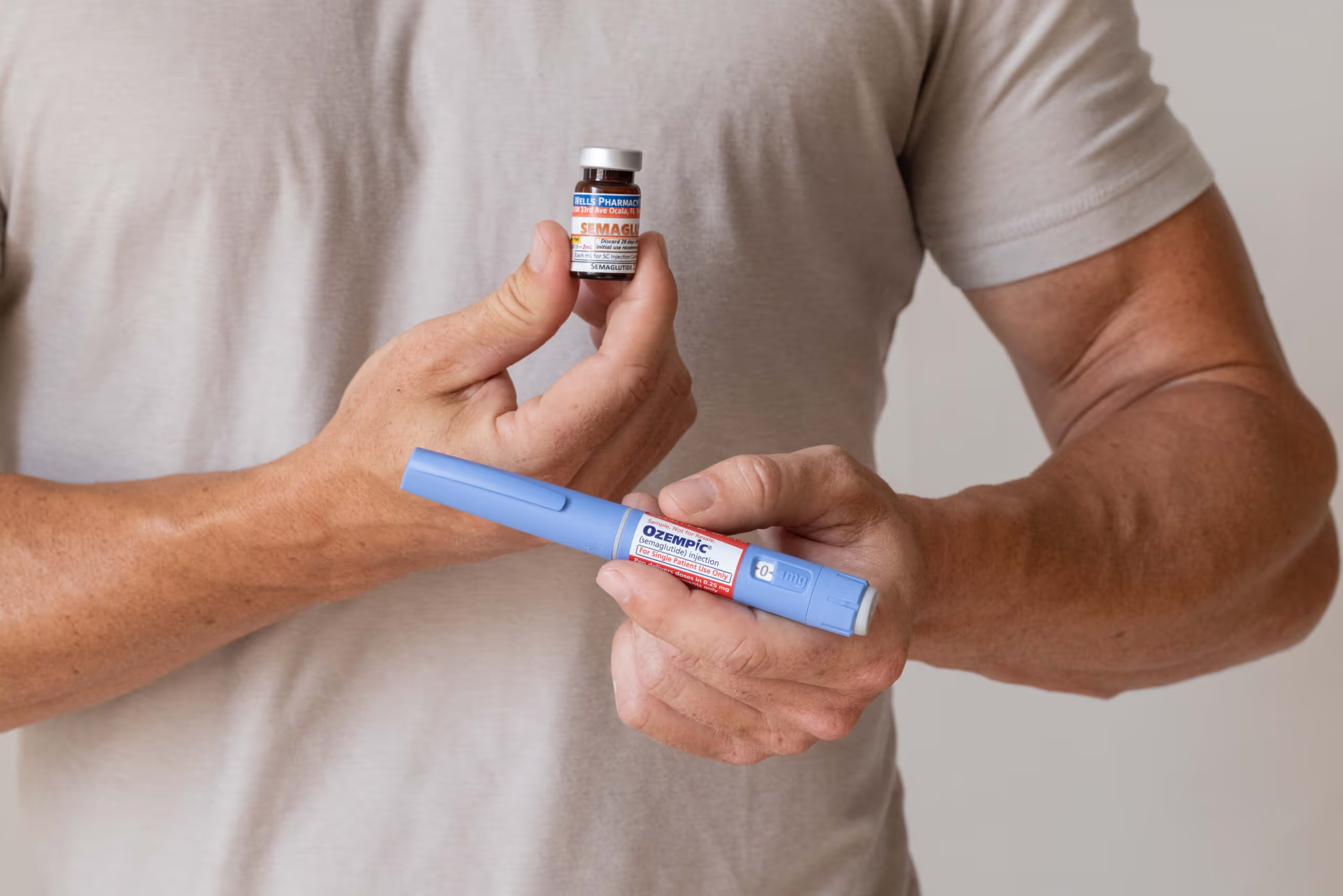
GLP-1 medications changed everything. Demand for weight loss exploded, and legitimate supply couldn’t keep up fast enough. RUO versions of semaglutide, tirzepatide, and experimental compounds quickly hit the market to fill the gap.
Some of these compounds, like retatrutide, are still in clinical trials. Early data is promising, but that doesn’t make them appropriate for unsupervised use. When massive demand collides with injectable medications and unregulated supply chains, scrutiny is inevitable. Regulators didn’t suddenly notice RUO peptides; the scale simply reached a tipping point.
Why Do People Use Peptide Therapy?
Most of our patients aren’t looking for shortcuts. They come to us because something feels off and the usual advice hasn’t gotten them where they want to be. They’ve tried cleaning up their diet, exercising more, or sleeping better, but they’re still struggling to see meaningful change.
Common reasons include:
- Stubborn weight loss resistance
- Fatigue and metabolic slowdown
- Poor recovery or muscle loss
- Inflammation and joint pain
- Cognitive fog or performance decline
- Aging-related changes that don’t respond to lifestyle alone
Peptides appeal to many people because they interact directly with biological pathways. When used appropriately, they can be powerful tools. The real issue is the absence of guardrails.
Who Is a Good Candidate for Peptide Therapy?
Peptide therapy works best for patients who want guidance, not guesswork. The people who see the best outcomes aren’t chasing trends or protocols they found online. They’re looking for a thoughtful, medically supervised approach that fits into a broader plan for their health.
Good candidates are often people who:
- Want individualized dosing based on labs and clinical context
- Value sterility, sourcing transparency, and consistency
- Are already using or considering GLP-1 medications and want oversight
- Prefer progress with monitoring rather than trial and error
Peptide therapy is most effective when it complements a strong foundation of nutrition and exercise. In that context, it can support body composition goals, healing and recovery, immune function, and healthy aging.
Peptides should always be prescribed, sourced through licensed pharmacies, and supported by ongoing clinical care.
What Does Safe Peptide Therapy Look Like?

Safe peptide therapy starts with accountability. From who’s prescribing it to where it’s sourced and how it’s monitored, every step matters. That structure is what turns peptides from a gamble into a tool you can actually trust.
Injectable peptides should follow the same basic framework as any other medication:
- Licensed clinician oversight
- Prescription-based access
- Licensed, regulated pharmacies
- Ongoing monitoring and follow-up
That structure exists for a reason. If something changes, there’s documentation. If something goes wrong, there’s a path forward. This isn’t about bureaucracy. It’s about respecting the fact that these compounds alter our physiology.
Start Peptide Therapy the Right Way
Injectable compounds come with real responsibility, and the conversation around research use only peptides has finally shifted. Peptides themselves aren’t the issue. In fact, most peptides have very few side effects if done correctly. The lack of sourcing transparency, sterility standards, and oversight is the problem.
At Victory Men’s Health, we take an individualized approach to peptide therapy. We look at your labs, medical history, and goals, then build a plan that makes sense for your body. Whether peptides are part of your weight loss journey or performance plan, our focus is always on your safety and long-term progress.
If you’re currently using peptides or thinking about it, we’ll help you sort through the confusion. Book a consultation with our team today to talk through what’s safe and worth your time.

Related Resources



.avif)