Can Hormone Replacement Therapy Increase Cancer Risk?
Jump to
Tired of struggling with symptoms like irritability, sluggishness, and low libido? Considering hormone replacement therapy (HRT) but wondering, “can hormone replacement therapy increase cancer risk?” If this sounds like you, you’re not alone.
For men dealing with low testosterone, HRT can be a game-changer in combating feelings of sluggishness, muscle weakness, and low motivation. For women, it often brings much-needed relief from menopause symptoms like hot flashes, night sweats, and irritability.
But with all its benefits, it’s natural to wonder about the risks. The possibility of cancer is a concern we commonly see come up in conversations about HRT. On an episode of the Women Want Strong Men podcast, we discussed all things hormone optimization with Dr. Jordan Grant, a subject matter expert. Check out the full episode, then keep reading for more.
https://open.spotify.com/episode/67e350RdvtYrWBA1VN2nlE?si=CIoWZdikTY2vYK6FxGDv6A
Today, we’re breaking down everything you need to know about the link between hormone replacement therapy and cancer risk. Ready to separate myth from reality? Let’s jump in.
What Is Hormone Replacement Therapy?
Hormone replacement therapy (HRT) is about more than just replacing one hormone—it’s about restoring balance to your entire hormonal system. Both men and women benefit from comprehensive hormone analysis to identify exactly what their bodies need.
Hormones play a critical role in everything from energy and mood to libido and muscle strength, so optimizing these levels can help you feel like yourself again. Here’s a closer look at HRT for men and women:
- Hormone Replacement Therapy for Men: While testosterone replacement therapy (TRT) is commonly discussed, men often need more than just testosterone. A personalized HRT plan might also address other hormones to ensure a complete approach to health and vitality. Testosterone can be delivered via injections, creams, or pellets, depending on individual needs.
- Hormone Replacement Therapy for Women: Women often associate HRT with estrogen, but testosterone is just as important for overall well-being. A tailored HRT plan may include estrogen, progesterone, and testosterone to relieve menopause symptoms, boost energy, improve libido, and support mental clarity. These hormones can be administered through pills, patches, creams, or pellets.
- Bioidentical Hormone Therapy (BHRT): Bioidentical hormones are the safest and most effective option because they closely mimic the hormones your body naturally produces. While some BHRT formulations are compounded for specific doses or to eliminate allergens, many are available through commercial pharmacies in forms like pills, troches, injections, topicals, and pellets.
Can Hormone Replacement Therapy Increase Cancer Risk?
The connection between HRT and cancer risk is one of the most debated topics in medicine. Certain cancers, like breast and prostate cancer, are hormone-sensitive, meaning they can grow in response to specific hormones. But does that mean HRT causes cancer? Not necessarily.
- For Women: The type of hormones used in HRT matters. Studies show that synthetic progestins, like Provera, combined with estrogen, increase breast cancer risk. In contrast, bioidentical progesterone has a protective effect, counteracting estrogen’s impact on breast tissue and potentially reducing this risk. Choosing bioidentical hormones over synthetic options is a critical factor in ensuring safer, more effective HRT.
- For Men: Testosterone Replacement Therapy (TRT) has often been linked to concerns about prostate cancer. However, many studies have dispelled this concern. One example is a major study published in European Urology, which found no evidence that TRT increases prostate cancer risk when appropriately managed.
The bottom line? While certain risks exist, they’re often small and highly dependent on factors like the type of therapy, dosage, duration, and your individual health history. That’s why personalized care and ongoing monitoring are essential.
Can I Reduce the Risk of Cancer on HRT?
If you’re worried about potential risks, you’re not alone. The good news is there are ways to minimize those risks while still reaping the benefits of HRT. This comes down to being informed, making smart choices about your lifestyle, and—most importantly—working with a healthcare provider who has your best interests at heart.
Certain factors can increase your cancer risk, like the type of hormones and administration method used, a family history of hormone-sensitive cancers, or an unhealthy lifestyle. That’s why it’s crucial to take a holistic approach to your health while on HRT. Here are some ways to lower your risk:
- Stick to a personalized treatment plan designed just for you.
- Commit to regular screenings, such as mammograms or prostate exams.
- Focus on a healthy diet, exercise, and quitting harmful habits like smoking.
What are the Benefits of HRT?
Now, let’s talk about the upside. It’s no exaggeration to say HRT can change your life. Imagine waking up energized, focused, and ready to tackle the day. That’s the power of balanced hormones. Here’s a look at some of the key benefits of HRT for men and women.
- For Men: HRT can improve muscle strength, sharpen mental clarity, boost libido, and restore energy levels.
- For Women: HRT helps relieve menopause symptoms like hot flashes, supports bone health, improves sleep, and enhances mood.
Beyond the physical benefits, here’s what’s even more important: quality of life and physiological benefits. HRT can help to improve bone mineral density, insulin sensitivity, and cardiovascular health. It can also help you feel more connected to yourself and the people around you, empowering you to live life to its fullest.
Our Approach to Hormone Replacement Therapy
We don’t believe in one-size-fits-all solutions. Your hormone needs are as unique as you are, and that’s why we take a personalized approach to HRT. Our approach starts with comprehensive lab testing to get a deep understanding of your hormone levels and health.
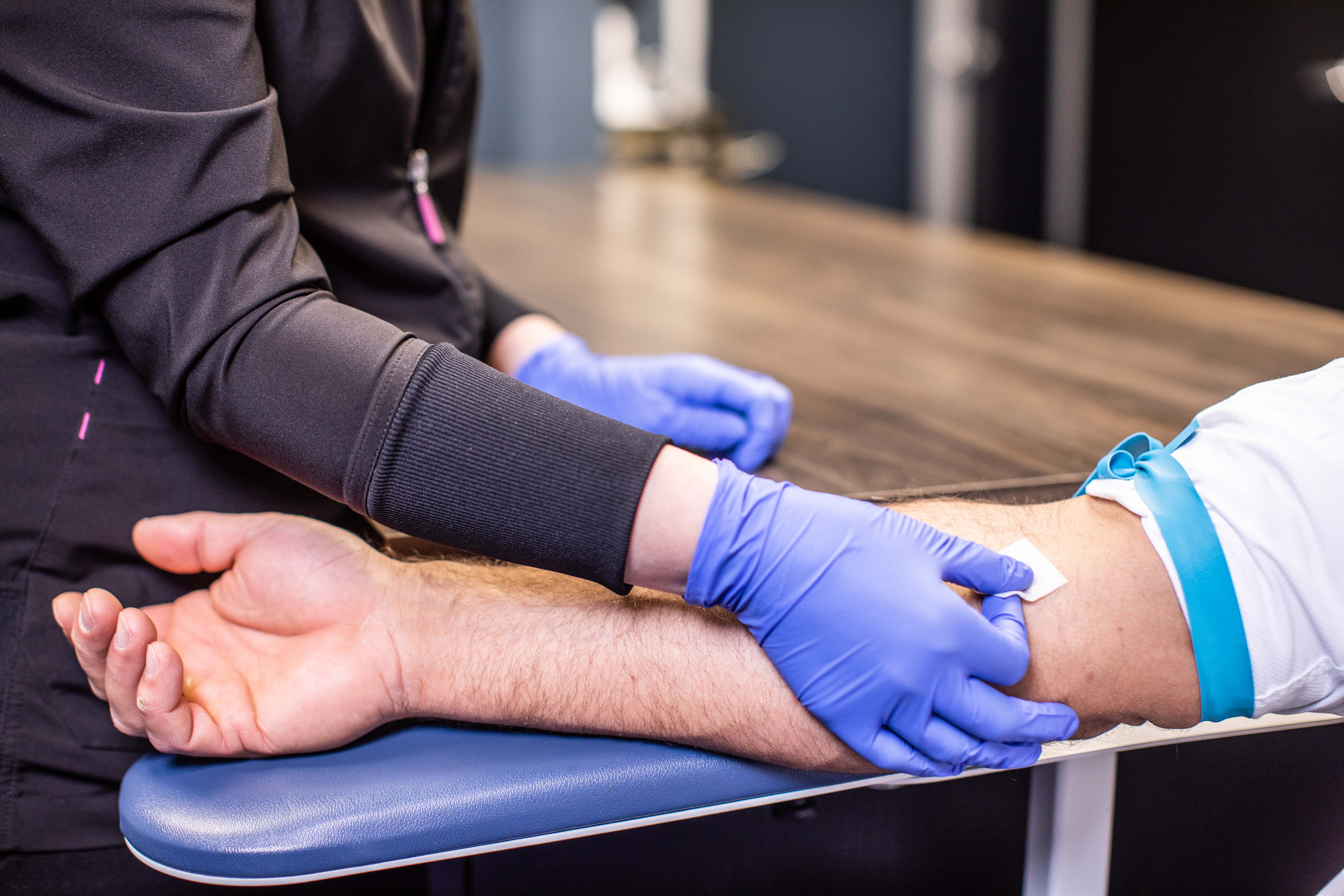
From there, we design a customized treatment plan tailored to your symptoms, lifestyle, and goals. But our support doesn’t stop there—ongoing monitoring is a cornerstone of our care. Regular bloodwork and follow-ups ensure your therapy remains safe and effective.
We also prioritize educating our clients, because the more you understand about your health, the more empowered you’ll feel to take charge of it. From start to finish, we’re here to support you every step of the way.
Questions Our Patients Ask About HRT and Cancer Risk
Does HRT Cause Cancer?
No. HRT itself doesn’t cause cancer, but it can influence hormone-sensitive cancers in specific cases. Proper monitoring and individualized care minimize this risk, especially if you have a history of certain cancers.
Are Certain Types of HRT Riskier Than Others?
Yes, certain medications that are synthetic versions of hormones carry higher risks. At Victory Men’s Health, we use precise, evidence-based dosing to ensure safety.
How Often Should You Get Screened While on HRT?
Your screening frequency depends on the focus. For cancer, men should get an annual PSA test, while women need mammograms every 2 years and PAP tests every 3-5 years. For hormone monitoring, follow-ups are every 3-4 months at first, then annually once levels stabilize. Regular check-ups ensure safety and effectiveness.
Can You Reduce Cancer Risk While on HRT?
Absolutely. By working with a knowledgeable provider, sticking to personalized treatment plans, and leading a healthy lifestyle, you can keep your risks low.
What Is the Safest Hormone Replacement Therapy?
The safest HRT is one that’s personalized, based on previous medical and family history, and closely monitored.
Reclaim Your Health With Confidence
Hormone Replacement Therapy is a powerful tool for reclaiming your health and energy, but like anything, it should be approached thoughtfully. The risks are real, but they’re also manageable when you partner with a healthcare provider with proven experience in hormone health.
At Victory Men’s Health, we prioritize your safety, well-being, and long-term success. Ready to explore how HRT can make a difference in your life? Contact us today to schedule a consultation and take the first step toward feeling like yourself again.

Related Resources



.avif)