Best GLP-1 for Weight Loss: Semaglutide, Tirzepatide & Liraglutide Compared
.avif)
Jump to
When patients ask us about the best GLP-1 for weight loss, we’re usually careful to say, “It depends.” And while personalization always matters, there is a clearer hierarchy in today’s landscape than there was a few years ago.
Not all GLP-1 medications are on equal footing anymore. Semaglutide and tirzepatide dominate the conversation for a reason. Liraglutide is still around, but it’s rarely competitive given what we now have available. So let’s break this down in a more direct way.
On an episode of the Women Want Strong Men podcast, we were joined by Victory Men’s Health Medical Director Dr. David Yablonsky for a conversation all about GLP-1s. Save it below for more on how GLP-1 medications work and what we’re seeing in clinics, then read on.
How Do GLP-1 Medications Help With Weight Loss?
GLP-1 medications were originally developed to treat type 2 diabetes. They work by mimicking a naturally occurring hormone called glucagon-like peptide-1, which plays a role in blood sugar regulation, appetite signaling, and digestion.
When used for weight loss, GLP-1 medications help by:
- Reducing appetite and food noise
- Slowing gastric emptying so you feel full longer
- Improving insulin sensitivity
- Reducing cravings and impulsive eating
What surprised many clinicians was how significant the weight and fat loss became once these medications were used more widely. We are now seeing data suggesting obesity rates and average BMI may actually be declining for the first time in decades, largely coinciding with increased GLP-1 use.
That said, not all GLP-1s are identical, and how they are used matters.
Semaglutide vs Tirzepatide vs Liraglutide: What’s the Difference?
When people talk about GLP-1 medications, they often think they’re one in the same. In reality, semaglutide, tirzepatide, and liraglutide each have their own nuances in how they work, how they’re dosed, and how the body responds.
Understanding these differences matters because the right option for one person may not be the best fit for another. Let’s break down what sets each medication apart so you can see why choosing the best GLP-1 for weight loss is more personalized than it sounds.
.avif)
Semaglutide
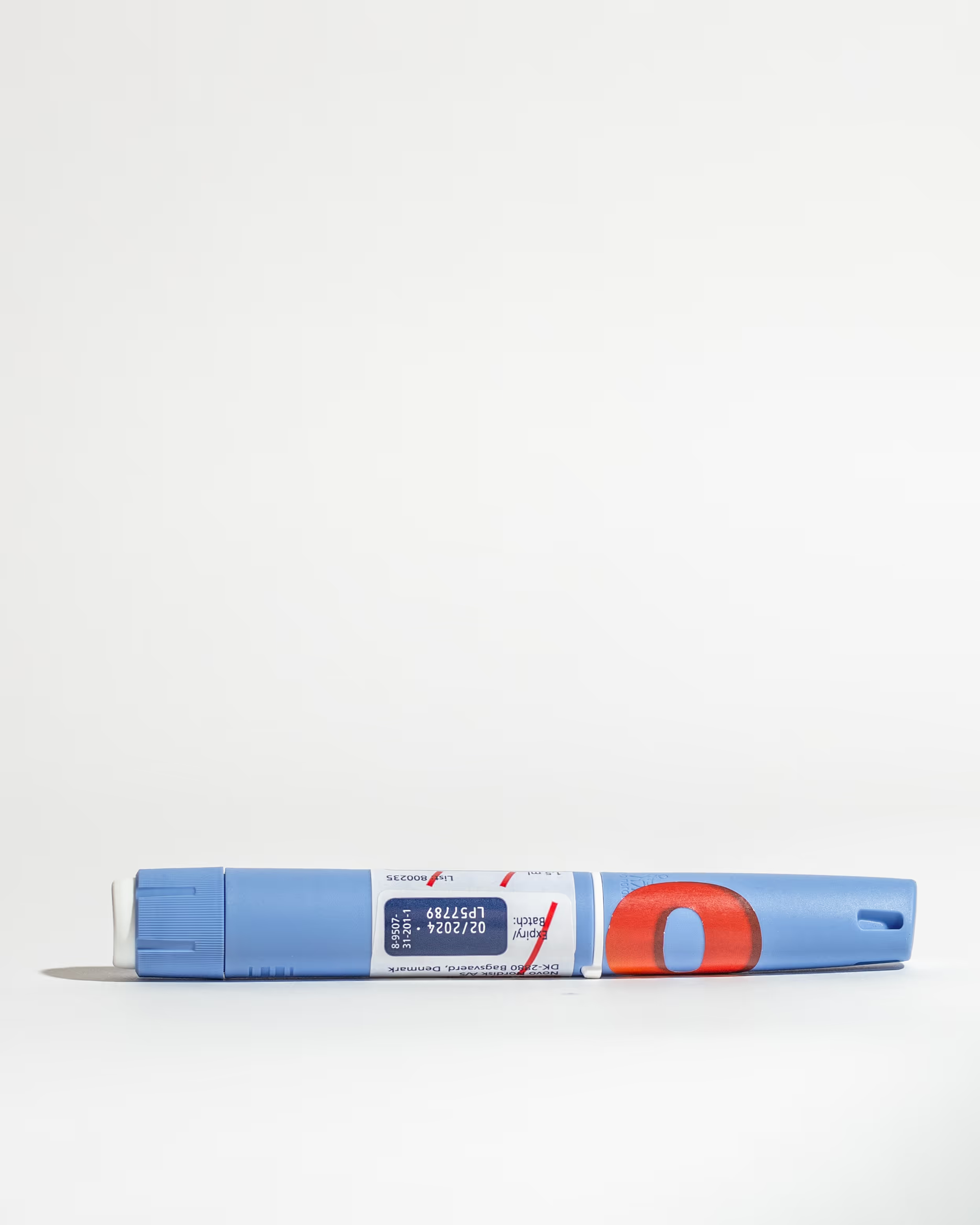
Semaglutide is a once-weekly GLP-1 receptor agonist and has been the standard for medical weight loss over the past several years. It produces strong, reliable fat loss and meaningful improvements in insulin resistance and A1C.
For many patients, semaglutide strikes an effective balance between potency and tolerability. Appetite suppression is significant but often manageable, which allows us to protect lean muscle mass when patients prioritize adequate protein intake and resistance training.
If someone needs substantial fat loss but already has lower muscle mass, semaglutide can sometimes be the more strategic starting point because its appetite suppression, while strong, is often less aggressive than tirzepatide.
Tirzepatide
If we’re talking strictly about potency and weight loss outcomes, tirzepatide leads the class. Unlike semaglutide, tirzepatide activates both GLP-1 and GIP receptors, giving it a dual mechanism that often produces greater fat loss and stronger improvements in blood sugar regulation. In clinical trials and real-world practice, it often delivers the highest weight reduction.
That said, more powerful is not always better for every patient. Tirzepatide can suppress appetite very aggressively. For someone with already low muscle mass or difficulty meeting protein needs, that level of appetite suppression can work against body composition goals if not monitored carefully.
Some patients experience fewer GI side effects with tirzepatide, while others find it stronger overall. It can also be more expensive depending on access. For patients who need the highest level of metabolic effect, tirzepatide is typically the strongest option available right now.
Liraglutide
Liraglutide is essentially a first-generation GLP-1 medication. It works through the GLP-1 pathway but requires daily injections and generally produces more modest weight loss compared to newer options.
In today’s clinical environment, it is rarely the first choice. The daily dosing alone makes adherence more difficult, and when compared head-to-head with semaglutide or tirzepatide, the total weight loss outcomes are typically lower. It still has a place in certain specific scenarios, but it is not operating on the same playing field as the newer agents.
For most patients pursuing meaningful fat loss, we look beyond liraglutide.
What About Retatrutide?
There is also growing discussion around retatrutide, which is currently being studied and not yet widely approved. Retatrutide is a triple agonist that targets GLP-1, GIP, and glucagon receptors. Early data suggests it may produce even greater weight loss than tirzepatide.
If approved, it will likely become the most potent medication in this class. The metabolic treatment landscape is evolving quickly, and we expect continued advancement in this space. For now, we’re keeping a close eye on retatrutide and how it progresses.
Fat Loss vs Muscle Loss: Why This Matters More Than the Scale
When evaluating the best GLP-1 for weight loss, we care more about body composition than the number on the scale. All GLP-1 medications reduce appetite. That’s part of their effectiveness. But without proper nutritional planning, adequate protein intake, and consistent resistance training, patients can lose muscle along with fat.
Muscle mass protects metabolic rate, long-term weight maintenance, hormone health, and functional strength. A highly potent medication without a muscle preservation strategy can lead to unintended consequences.
This is where medical supervision and structured guidance matter. Medication is only one part of the equation; the protocol determines the quality of the outcome.
GLP-1 Side Effects, Dosing, and Titration
The most common side effects of GLP-1 medications include nausea, constipation or diarrhea, fatigue, acid reflux, and appetite suppression. In our experience, side effects are often influenced by dosing strategy more than the drug itself.
One of the biggest mistakes we see is escalating to the maximum dose too quickly. Starting low and titrating gradually allows the body to adapt and significantly improves tolerance. Many patients achieve excellent results without ever reaching the highest dose.
You may also see media headlines about facial changes associated with GLP-1 use. These changes are related to fat loss, not the medication. Rapid weight loss without adequate nutrition and muscle preservation can accentuate those effects. Again, strategy matters.
So, What’s the Best GLP-1 for Weight Loss?
If we’re being direct, tirzepatide currently produces the greatest average fat loss. For patients who need the strongest metabolic intervention, it is often the top performer. Semaglutide remains an extremely effective and reliable option, especially for those who may benefit from slightly less aggressive appetite suppression or who respond better to it individually.
Liraglutide is rarely competitive in today’s environment due to daily dosing and more modest results. The best choice ultimately depends on your metabolic profile, muscle mass, tolerance, budget, and long-term goals. But if you’re asking which GLP-1 medication is the most powerful tool available right now, tirzepatide leads the way.
Benefits of GLP-1 Medications Beyond Weight Loss
GLP-1 medications are doing more than just helping people lose fat. Research and clinical experience show noteworthy benefits related to:
- Blood sugar and A1C improvement
- Cardiovascular risk reduction
- Fatty liver disease improvement
- Insulin resistance and PCOS
- Reduced alcohol cravings and compulsive eating behaviors
These medications impact the same reward and satiety pathways involved in addiction, which helps explain why many patients report fewer cravings for alcohol and highly processed foods.
Who Is a Good Candidate for GLP-1 Weight Loss Medications?
GLP-1s can be appropriate for men and women struggling with:
- Obesity or significant fat gain
- Insulin resistance or prediabetes
- Type 2 diabetes
- Sleep apnea
- Non-alcoholic fatty liver disease
- PCOS (in women)
- Metabolic syndrome
- Difficulty controlling appetite despite lifestyle efforts
They are not appropriate for everyone, and medical oversight matters. Individual history, goals, and risk factors should always guide the decision.
Personalize Your Fat Loss Journey with Victory Men’s Health
GLP-1 medications are powerful metabolic tools, but they’re not magic and they’re not interchangeable. Choosing between semaglutide and tirzepatide requires an understanding of your physiology, not just the latest trend.
The best GLP-1 for weight loss is the one that fits your body, goals, and a plan you can sustain. We help patients choose the right plan for their specific needs. Our focus is not just weight loss, but lasting health improvements that protect your muscle, metabolism, and quality of life.
Ready to find the best GLP-1 for your goals? Schedule a consultation with our team today to build a smarter, sustainable plan.

Related Resources