Thyroid Problems in Men: Symptoms to Watch For & What to Do

Jump to
Thyroid problems in men are more common than most realize, yet they’re often overlooked because the symptoms can sneak up slowly or get written off as just getting older. This could show up as low energy, stubborn weight gain, or brain fog that won’t quit. Sound familiar?
In a recent episode of the Women Want Strong Men podcast, we met with Anna Griffith, DNP, who explained how many men live with sluggish thyroids without knowing it—and why “normal” lab results don’t always mean your thyroid is functioning at its best.
Today, we’ll break down what to watch for, what causes thyroid issues in men, how to test for them, and what you can do to feel like yourself again. For a deeper dive into common thyroid misconceptions, check out the full podcast episode below.
https://open.spotify.com/episode/1q4xew1fFxLRLgpCoBsGS0?si=peb6NqHeR26wEpdhAcDKxA
What Does the Thyroid Do?
Your thyroid might be small, but it plays a massive role in how you feel and function every day. Located at the base of your neck, this butterfly-shaped gland regulates your metabolism, which is how your body converts food into energy.
When it’s running smoothly, you’ll have steady energy, good focus, stable mood, and an easier time maintaining muscle and a healthy weight.
But when thyroid function slows down (a condition known as hypothyroidism), it can drag down nearly every system in your body—from your hormones to your brain to your metabolism. That’s when the real problems begin.
Common Symptoms of Thyroid Problems in Men
Thyroid symptoms don’t always hit right away. For many men, the changes are gradual and easy to ignore. You might just feel off: tired more often, less motivated, or slower to recover from workouts.
Some of the most common signs of thyroid problems in men include:
- Persistent fatigue or low energy
- Weight gain or difficulty losing weight
- Feeling cold or sluggish, even in warm weather
- Brain fog, poor focus, or irritability
- Low libido or weaker morning erections
- Dry skin, thinning hair, or brittle nails
- Low mood or depressive symptoms
Even if your doctor says your thyroid labs are “normal,” that doesn’t always mean your thyroid is optimal. If several of these resonate with you, it’s worth digging deeper.
Can You Have Thyroid Problems with Normal Labs?
This is one of the biggest frustrations we hear from men. They’ve been told their labs are fine, but they still feel exhausted, foggy, and unable to lose weight. Here’s why that happens.
Traditional medicine often relies solely on one lab marker called TSH (thyroid-stimulating hormone). The problem? TSH only measures how loudly your brain is asking your thyroid to work—not whether the thyroid is actually doing its job.
You need a full thyroid panel, including Free T3 and Free T4, to see the complete picture. The “normal” lab range for TSH is very broad. Someone with a TSH at the high end of normal may already be experiencing symptoms of low thyroid function, even if their test results don’t trigger an official diagnosis.
What Causes Thyroid Problems in Men?
There’s no single cause of hypothyroidism — several factors can make your thyroid slow down or become less responsive over time. Many of these overlap with the same lifestyle and metabolic issues that affect testosterone, energy, and weight.
Here are some of the most common culprits:
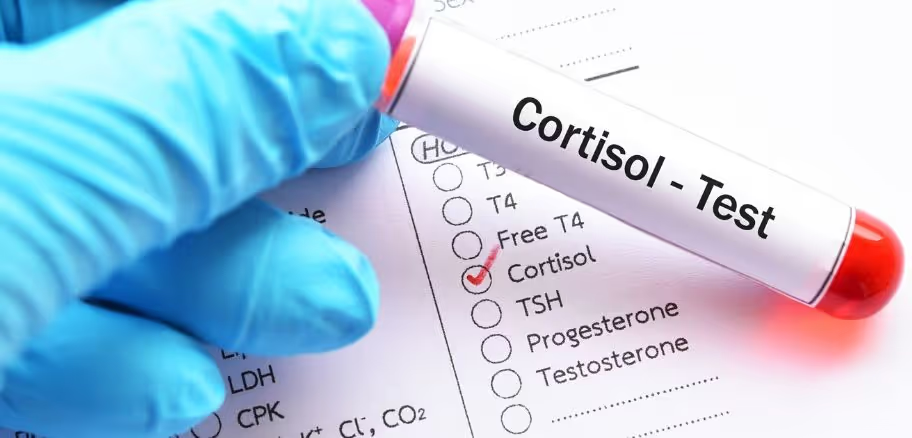
- Chronic stress and inflammation – Long-term stress hormones (like cortisol) can disrupt thyroid signaling.
- Nutrient deficiencies – Low selenium, vitamin D, B12, iodine, and iron can all impair thyroid hormone production and conversion.
- Insulin resistance – High blood sugar and insulin can interfere with how thyroid hormones enter cells.
- Autoimmune thyroid disease (Hashimoto’s) – When the immune system attacks thyroid tissue, hormone output drops. This is the most common reason for thyroid problems.
- Low testosterone or adrenal dysfunction – These systems are tightly connected, so if one is sluggish, the others often follow.
- Infections and certain medications – Some viral and bacterial infections can trigger thyroid inflammation, while medications like lithium or amiodarone may interfere with your thyroid hormone production.
How Thyroid and Testosterone Work Together
It’s not uncommon for men with thyroid issues to also have low testosterone, and vice versa. These two hormones are deeply interconnected, so optimizing one often helps the other.
When thyroid function slows, it can suppress testosterone production, lower libido, and make it harder to maintain muscle. On the flip side, low testosterone can reduce thyroid conversion (from T4 to active T3) and contribute to fatigue, mood changes, and weight gain.
That’s why we don’t look at your thyroid in isolation. A thorough evaluation includes thyroid, testosterone, and adrenal hormones to see how they’re working together. Balancing all three can dramatically improve your energy, motivation, and metabolism.
Best Ways to Test Thyroid Function (& What to Ask For)
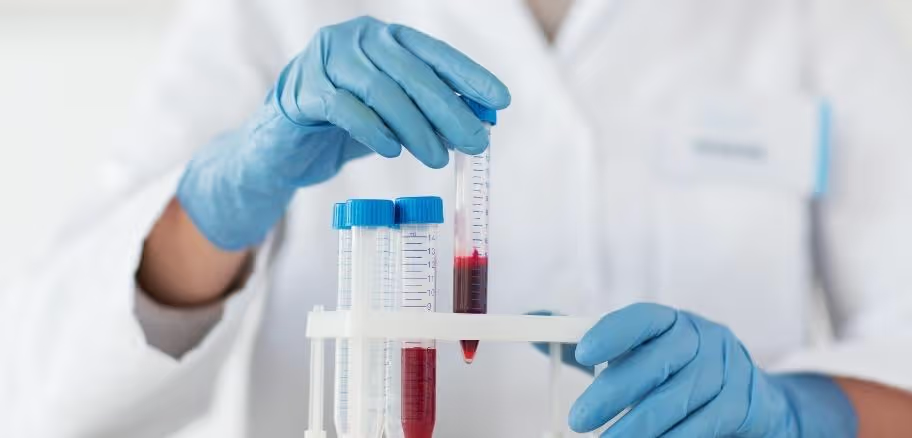
If you suspect something’s off, getting the right labs can make all the difference. Instead of a basic thyroid screen, ask for a comprehensive thyroid panel that includes:
- TSH
- Free T3 and Free T4
- Reverse T3 (optional, shows how well your body converts T4 to T3)
- Thyroid antibodies (to screen for Hashimoto’s)
- Micronutrients like Vitamin D, B12, iron, and selenium
A full panel reveals whether your thyroid hormones are being produced, converted, and utilized properly—something a standard TSH test can easily miss.
How to Treat Thyroid Problems in Men
At Victory Men’s Health, our goal isn’t to put a bandaid on your symptoms—it’s to uncover why your thyroid isn’t working optimally and help you restore balance naturally whenever possible.
For many men, optimizing lifestyle factors, nutrition, and hormone balance can improve thyroid function before medication is even necessary.
Here are the most common ways to treat thyroid dysfunction in men:
- Address micronutrient deficiencies
- Balance your hormones
- Build lifestyle habits that support thyroid health
- Consider thyroid medication
Address Micronutrient Deficiencies
Your thyroid depends on several key nutrients to do its job. Without them, even small imbalances can make a big difference in how you feel. We regularly test and optimize:
- Selenium (100–200 mcg/day) to support thyroid hormone conversion
- Vitamin D (goal range 50–80 ng/mL) for immune and hormone health
- B12 and iron to support oxygen transport and energy
Correcting these deficiencies can often reduce symptoms like fatigue, sluggishness, and low metabolism before you need a thyroid prescription.
Balance the Hormones That Work With Your Thyroid
Your thyroid doesn’t operate in isolation—it’s part of a larger hormone network. Low testosterone or adrenal dysfunction can make thyroid symptoms worse and stall your progress.
That’s why we evaluate and optimize testosterone, DHEA, and adrenal function alongside thyroid levels. When these are in sync, your energy and metabolism naturally improve.
Build Lifestyle Habits That Support Thyroid Health
Simple daily habits can make a major impact on your thyroid performance and overall hormone balance. Here’s a breakdown of the best places to start.
- Prioritize protein: Aim for roughly 1 gram per pound of body weight each day.
- Strength train regularly: Building muscle improves insulin sensitivity and metabolic rate.
- Limit alcohol and processed foods: Both can interfere with hormone conversion and increase inflammation.
- Stay hydrated and get sunlight: Foundational, but often overlooked for energy and mood.
- Sleep well and manage stress: Chronic stress hormones (like cortisol) can suppress thyroid function over time.
These are long-term strategies that set the stage for lasting energy and better overall health.
Consider Thyroid Medication
For some men, even after addressing nutrition, hormones, and lifestyle, the thyroid still needs extra support. In those cases, we tailor medication based on your body’s specific needs.
While T4-only medications like Synthroid work for some, others may benefit from combination therapy (T4 + T3) or a desiccated thyroid option that provides both T4 and T3. Studies have shown that patients prefer the latter due to better symptom response.
The key is finding the right balance for you and remembering that medication is just one tool among many to help you feel your best again.
When to Get Your Thyroid Checked
If you’ve been feeling drained, gaining weight despite good habits, or noticing changes in focus, motivation, or libido—it’s time to take a closer look at your thyroid.
Here are some clear signs you should get tested:
- You’ve been told your labs are “normal,” but still feel off
- You struggle with unexplained fatigue or low energy
- You’re gaining weight despite healthy eating
- Your workouts feel harder, and recovery takes longer
- You have mood changes or brain fog you can’t shake
If you’ve been experiencing any of these, we recommend asking your healthcare provider for a full thyroid and hormone panel to get answers.
Take Control of Your Thyroid Health
Thyroid problems in men can impact everything from your metabolism and mood to muscle strength and focus. The good news? Once you uncover what’s really going on, the right plan can help you get back to feeling like yourself again.
At Victory Men’s Health, we look beyond basic labs to uncover the full picture of your health. Whether you’re struggling with fatigue, weight gain, brain fog, or low libido, we can create a personalized treatment plan to restore balance.
Ready to take your health into your own hands? Book your consultation today to begin the journey toward feeling like the best version of yourself.

Related Resources


.png)