Can Low Testosterone Cause Hair Loss? Here’s What to Know

If you’ve Googled “can low testosterone cause hair loss,” you’re not the only one. It’s one of the most common questions we get from new patients when they’re trying to understand the bigger picture behind thinning or shedding. 

Hair loss isn’t just a cosmetic issue. It affects your confidence, energy, and how you feel walking into the gym or into work. So let’s break down what’s actually going on and what testosterone does (and doesn’t) have to do with it.

On an episode of the Women Want Strong Men podcast, we sat down with Dr. Keith Nichols to break down the truth about testosterone, DHT, genetics, hair loss, and what actually changes when you start TRT. Save the full episode below for later if you want a deeper dive.

DHT 101: The Hormone Behind Most Hair Changes

Before we talk about low T, TRT, or hair loss treatment options, it’s important to understand the hormone that drives most forms of male pattern hair loss. DHT, or dihydrotestosterone, is made when testosterone converts inside specific tissues, including the hair follicle. 

It’s a powerful androgen responsible for many of testosterone’s benefits, including your sexual function, mental sharpness, and overall sense of well-being. If your hair follicles are genetically sensitive to DHT, the conversion happening inside those follicles can trigger gradual thinning.

You may have heard that “serum DHT” is the DHT level your bloodwork shows. But here’s the part most men never hear: serum DHT doesn’t cause hair loss. The number on your bloodwork isn’t what determines whether you keep or lose hair.

Only the DHT inside the follicle matters.

Serum DHT does not reflect what’s happening in androgen-sensitive tissues. You can have a high DHT level on labs and never go bald. Someone else could have a lower number and thin early. The driver is follicle sensitivity, not the total amount of DHT in your bloodstream.

That’s why blood tests cannot predict your risk of hair loss—and it’s also why two men on identical testosterone doses can have completely different outcomes.

Can Low Testosterone Cause Hair Loss? What’s the Science Says

Low testosterone by itself usually isn’t the cause of classic male pattern baldness. That type of hair loss is almost always driven by genetics and how sensitive your hair follicles are to DHT. With that said, low testosterone can still influence your hair health in other ways.

When testosterone is chronically low, men can experience:

  • Dry, brittle hair
  • Poor scalp circulation
  • Higher inflammation
  • Thinner, weaker strands
  • Slower growth cycles

So while low testosterone isn’t the direct cause of male pattern hair loss, it can affect the overall quality and fullness of your hair. Some men see improved hair quality when their testosterone levels are restored to a healthy range, simply because their body is functioning better.

So… What Causes Hair Loss in Men?

Before we look at how testosterone fits into the picture, it’s important to zoom out. Most hair loss in men isn’t caused by hormones alone—and it’s almost never caused by a single factor. 

Hair thinning is usually a combination of genetics, aging, lifestyle habits, and how sensitive your hair follicles are to DHT at the follicle level. Understanding these root causes will help you figure out what’s driving your shedding and what steps will make the biggest difference. 

Some of the most common culprits behind male hair loss include:

  • Genetic predisposition (male pattern baldness) – The most common cause and often the biggest determining factor.
  • Aging and natural hormone shifts – Follicles gradually shrink with age.
  • High DHT activity at the hair follicle – Sensitivity at the follicle level drives thinning, not serum DHT.
  • Chronic stress and elevated cortisol – Pushes follicles into a resting phase that leads to shedding.
  • Scalp inflammation – Issues like dandruff or dermatitis disrupt normal hair growth.
  • Nutrient deficiencies – Low iron, ferritin, zinc, vitamin D, or protein can impair hair growth.
  • Thyroid dysfunction – Both hypo and hyperthyroid conditions can trigger hair loss.
  • Certain medications – Some antidepressants, blood pressure meds, and acne treatments can cause thinning.
  • Lifestyle factors – Poor sleep, smoking, crash dieting, and extreme training all impact your hair health.

TRT and Hair Loss: Does Testosterone Therapy Make Thinning Worse?

This is one of the most common concerns men have when starting testosterone replacement therapy (TRT). The truth is more nuanced than the internet makes it sound. 

TRT can accelerate hair loss in men who are already genetically predisposed to male pattern baldness. If you were going to lose your hair eventually, increasing testosterone may reveal that pattern sooner because the follicles have more testosterone available to convert into DHT. 

But TRT does not cause hair loss in men without the genetic trait.

It’s also important to consider timing. Many men start TRT in their 30s or 40s, which is the same period when age-related hair loss naturally begins. This makes it easy to blame TRT when your genetics are actually in the driver’s seat.

What You Can Do About Hair Loss

Hair loss can come from several different places, so the right path forward depends on what’s driving your thinning. Still, there are several proven steps men can take to support thicker, healthier hair. As always, consult with your healthcare provider before trying anything new. 

Here are the top options to consider for hair loss:

  • Address hormonal imbalances. Optimizing testosterone, thyroid, and other key hormones can support healthier hair growth.
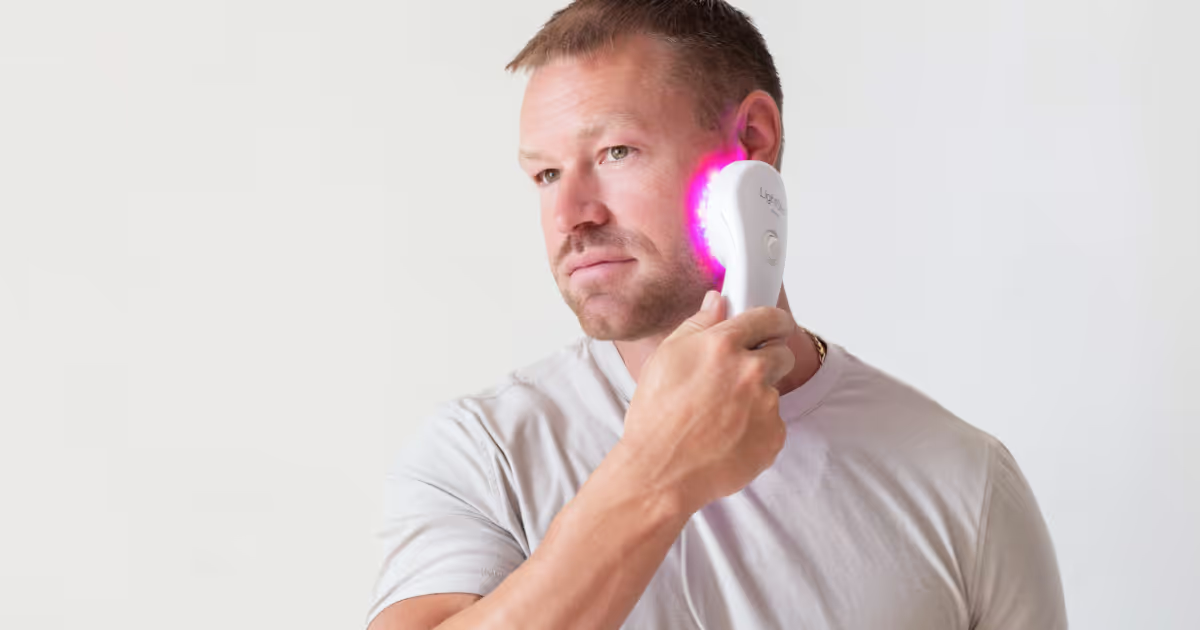
  • Support the follicle directly. Treatments like oral or topical minoxidil, red-light therapy, and scalp-strengthening products help keep hairs in a growth phase longer.
  • Reduce inflammation on the scalp. Managing dandruff, dermatitis, and buildup creates a healthier environment for follicles.
  • Improve lifestyle factors that impact your hair. Better sleep, lower stress, adequate protein, vitamin D, zinc, biotin, and ferritin levels all play a role in hair quality.
  • Consider medical treatments when appropriate. Topical finasteride, peptide-based products, or PRP therapy may be options depending on your goals.
  • Pay attention to early changes. Addressing hair thinning at the first signs gives you the best chance of slowing or minimizing long-term loss.

FAQ: Low Testosterone and Hair Loss

Can Low Testosterone Actually Cause Hair Loss?

Low testosterone isn’t a common cause of male-pattern baldness, but it can contribute to overall thinning by increasing stress, inflammation, and poor sleep. Those factors impact hair growth more than testosterone itself. Classic receding or crown thinning is almost always genetic.

Is Hair Loss on TRT Permanent or Temporary?

TRT can only speed up shedding if you’re already genetically prone to balding. Whether it’s permanent depends on how early you intervene and how sensitive your follicles are. Many men slow or stabilize loss with the right combination of hormone optimization and targeted support.

It’s also worth noting that we typically don’t see patients experience significant hair thinning while on TRT.

Is Finasteride Safe To Use While on TRT?

Finasteride is sometimes used alongside TRT (or on its own) for men concerned about hair loss. However, we typically don’t recommend this medication for that purpose due to the potential systemic side effects that can occur from blocking DHT. It doesn’t interact with TRT and isn’t inherently unsafe, but it’s generally not our preferred approach for managing hair loss.

Can I Prevent Hair Loss if I Have a Family History of Balding?

You can’t change genetics, but you can influence how quickly those genes show up. Scalp health, inflammation control, and targeted treatments can all help slow progression. Early awareness gives you more control over long-term results.

How Do I Know if My Hair Loss Is From Genetics or Hormones?

Genetic loss usually follows a clear pattern: receding, crown thinning, or shrinking hairs over time. Hormone-related loss is more diffuse, sudden, or tied to other health changes. A full evaluation of timing, patterns, and labs can help us uncover the true cause.

Get Ahead of Hair Loss With Victory Men’s Health

Hair loss is personal, and it’s frustrating when every source says something different, but low testosterone usually isn’t the cause and TRT isn’t the villain. Once you understand what’s actually driving your thinning, you can take steps to slow thinning and strengthen your hair.

Whether you’re noticing hair thinning or dealing with low testosterone, weight management, or erectile dysfunction, our team at Victory Men’s Health can help you get answers—and a personalized treatment plan that supports your long-term health and wellness. 

Ready to explore your options? Schedule a consultation for expert guidance tailored to you.

Enclomiphene for Low Testosterone: Does It Work?

Tired of feeling like your energy and drive aren’t what they used to be? Many men dealing with low T want a way to feel better without relying on injections—which is why more are turning to enclomiphene for low testosterone as an alternative to testosterone replacement therapy (TRT). 

For men who want to boost testosterone naturally without potentially reducing fertility, enclomiphene offers a promising option. But does it actually work? Let’s take a closer look at how it functions, what the research says, and who it’s best for.

What Is Enclomiphene and How Does It Work?

Enclomiphene belongs to a class of medications called selective estrogen receptor modulators (SERMs) — the same class as clomiphene (Clomid®). They’re similar compounds that differ only by one isomer, and both can be used off-label to support testosterone production in men. 

Rather than replacing testosterone directly, enclomiphene encourages your body to produce more of its own by signaling the brain to release luteinizing hormone (LH) and follicle-stimulating hormone (FSH).

Here’s how it works: 

  • By blocking estrogen’s normal feedback loop in the hypothalamus, enclomiphene tells your brain that testosterone levels are too low. 
  • The brain responds by sending stronger signals to the testes, which ramp up testosterone and sperm production.

TL;DR — While it’s not the right fit for everyone, the goal with enclomiphene is to increase testosterone while keeping your body’s own production active.

Enclomiphene vs. TRT: What’s the Difference?

Both enclomiphene and testosterone therapy aim to increase testosterone levels, but they work in different ways. TRT provides testosterone directly through injections, creams, or pellets. Enclomiphene, however, changes the signaling between the brain and testes to encourage your body to make more of its own testosterone. 

It can be a good temporary option for younger men who want to maintain fertility. That said, not every man feels the same symptom relief even if lab numbers improve, and it’s rarely recommended for men over 40 unless there’s a specific clinical reason.

At Victory Men’s Health, we’ve seen patients use enclomiphene on its own or as part of a broader treatment plan, depending on their lab work, goals, and medical history.

Does Enclomiphene Boost Testosterone?

Research suggests that enclomiphene for low testosterone can effectively increase both total and free testosterone levels in men with secondary hypogonadism.

In clinical studies, men taking enclomiphene saw testosterone levels rise from below 350 ng/dL to within the normal range (around 500–600 ng/dL) after just a few weeks of use. What makes it unique is that it also increases LH and FSH: two key hormones involved in both testosterone and sperm production.

While TRT also improves testosterone levels, enclomiphene’s appeal lies in how it maintains the body’s internal signaling systems rather than suppressing them.

How Fast Does Enclomiphene Work? 

Results can vary, but most men begin noticing higher energy, improved focus, and better mood within 2 to 4 weeks. By 6 to 8 weeks, bloodwork often confirms testosterone levels have climbed back into the healthy range.

You might also notice other changes, like more consistent morning erections, better gym performance, and renewed motivation. That said, enclomiphene isn’t a quick fix. 

Like any hormone therapy, it works best when supported by good nutrition, quality sleep, and stress management. Think of it as giving your body a nudge in the right direction, not flipping a switch overnight.

Can Enclomiphene Improve Symptoms Like Fatigue or Low Libido?

If you’re struggling with low energy, reduced sex drive, or inconsistent erections, enclomiphene for low testosterone may help. Because it boosts your own testosterone rather than replacing it, it often leads to more mild improvements compared to TRT. 

When testosterone rises, most men notice a lift in libido, motivation, and stamina. It can also help with erectile performance when low T is part of the cause. In some cases, enclomiphene may be combined with therapies like tadalafil (Cialis®) to support both hormone balance and blood flow. 

However, even when testosterone improves on paper, some men don’t experience the symptom relief they’re hoping for. It also isn’t intended as a long-term therapy, and current research doesn’t extend beyond three years of use.

How Does Enclomiphene Affect Fertility?

For men who want to preserve or improve fertility, enclomiphene can be an appealing option. It increases LH and FSH (the same hormones responsible for sperm production) while also boosting testosterone.

That’s a major difference from TRT, which can suppress sperm count over time by signaling the body to pause its own production. In men planning for children, enclomiphene may help maintain healthy sperm levels while improving testosterone balance.

Is Enclomiphene Safe? Side Effects to Know About

Like any medication, enclomiphene can cause side effects in some men, but most are mild and short-lived. Reported effects include headaches, mood changes, or mild nausea during the adjustment period.

Compared to clomiphene, some men prefer enclomiphene because it lacks zuclomiphene—an isomer linked to more estrogenic effects. But both tend to have few side effects seen in clinical practice. Rarely, men experience temporary changes in vision or slight increases in estradiol. 

If you experience any visual disturbances, you should stop taking the medication. At Victory Men’s Health, safety always comes first. We perform comprehensive labs and follow-up testing to ensure hormones remain in a healthy range throughout treatment.

Is Enclomiphene FDA-Approved and Where Can You Get It?

Clomiphene citrate and enclomiphene both have solid research supporting their safety and effectiveness in men, with clomiphene being more widely available. Because neither is FDA-approved specifically for treating low testosterone in men, they’re prescribed as off-label therapies through licensed medical providers when clinically appropriate.

Working with a trusted men’s health clinic ensures your prescriptions are sourced from high-quality compounding partners, properly dosed, and monitored for results.

Can You Take Enclomiphene Long-Term? 

The effects of enclomiphene don’t vanish overnight, but men often return to the testosterone levels they started with after stopping medication. Over time, your body may become less responsive to the medication, which could lead to exploring testosterone therapy as a longer-term solution. 

That said, consistency matters. Long-term results depend on healthy habits: managing stress, maintaining a healthy weight, and getting quality sleep. Ongoing bloodwork and provider follow-ups help determine whether you should continue, taper, or try another approach.

Who’s a Good Candidate for Enclomiphene?

Not every man with low testosterone is an ideal fit for enclomiphene, and that’s okay. This therapy works best for specific hormone patterns and goals, especially when your body still has the ability to make testosterone naturally. 

Enclomiphene is ideal for men who:

  • Have secondary hypogonadism (low testosterone caused by low brain signaling)
  • Want to preserve fertility while increasing testosterone
  • Prefer an oral alternative to topicals or pellets
  • Have mild to moderate testosterone decline due to age or lifestyle
  • Are coming off TRT and want to reactivate natural testosterone production with less hormonal “crash.”

If you’re unsure whether it’s right for you, comprehensive lab testing can clarify where your low testosterone stems from—the key to knowing which therapy will work best.

FAQs About Enclomiphene for Low Testosterone

How Fast Does Enclomiphene Work?

Most men see some improvement in about 2 to 4 weeks, with full results reached around the two- to three-month mark.

Does Enclomiphene Lower Estrogen?

No. It blocks the receptor that estrogen attaches to, which tells the body to keep making testosterone. Basically, it puts the workers on overtime. 

Is Enclomiphene Better Than Clomid?

Not necessarily, but some men tolerate it better because it doesn’t contain zuclomiphene, the part of Clomid that can cause estrogenic side effects.

How Do I Know If Enclomiphene Is Right for Me?

A blood test and consultation with a hormone-specialized provider will confirm whether you’re a good candidate for this therapy.

Restore Your Testosterone Without Sacrificing Fertility

Testosterone troubles don’t have to mean lifelong injections or impacted fertility. Enclomiphene for low testosterone offers a more natural path to restoring energy, drive, and balance.

At Victory Men’s Health, we customize every treatment to your lab results, symptoms, and goals. Whether you’re looking for help with hormone optimization, weight loss, or erectile dysfunction, our goal is to help you feel strong and confident again. 
Ready to take the next step? Book a consultation with our team and start restoring your hormones the right way.

Low Testosterone Levels? Avoid These 4 Bad Habits

Feeling more tired, foggy, or unmotivated than usual lately? Don’t just chalk it up to “getting older.” Low testosterone levels affect more men than you’d think, and the causes aren’t always as cut and dry as you’d expect.

While supplements and testosterone replacement therapy (TRT) can be part of the solution, many men overlook the everyday habits that quietly chip away at their hormone health. In fact, your favorite vices could be making it harder for your body to produce or respond to testosterone—even if you’re doing everything else right.

On the Women Want Strong Men podcast, hormone optimization expert Dave Lee chatted with us about the surprising habits that can contribute to low testosterone levels. Save the episode below for more on what might be quietly working against you. In the meantime, let’s dive into the signs of low testosterone—and the bad habits that may be causing them.

What Are the Signs of Low Testosterone Levels in Men?

Most men don’t wake up one day thinking, “My testosterone must be low.” Instead, they just start noticing little things that feel off. This could be energy dips or your hard work in the gym not paying off like it used to. Maybe your sex drive has taken a hit, or you’re more irritable than usual for no clear reason.

These changes can sneak up slowly, which is why they’re so easy to brush off. If you’ve been feeling “off” for a while and can’t put your finger on it, low testosterone might be the missing piece of the puzzle. Here’s what to watch for:

  • Fatigue or low energy
  • Low sex drive
  • Brain fog or difficulty concentrating
  • Loss of muscle mass or strength
  • Weight gain (especially belly fat)
  • Irritability or low mood
  • Poor sleep quality
  • Decreased morning erections 
  • Difficulty getting or maintaining an erection

If any of these sound familiar, it may be time to get your testosterone levels tested and take a closer look at the lifestyle habits that could be standing in your way.

4 Bad Habits That Contribute to Low Testosterone Levels

Are you hitting the gym, eating well, and taking supplements—but still not seeing the progress you expected? That’s when it’s time to look at your everyday habits, especially the ones that seem relatively harmless because “everyone does it.” 

Caffeine, alcohol, nicotine, and cannabis are all part of modern life—but when used the wrong way or too often, they can negatively impact your hormone health. Hormone expert Dave Lee calls them the four biggest vices that interfere with testosterone optimization. 

Here are some common habits that can contribute to low testosterone levels: 

  1. Overdoing caffeine
  2. Drinking alcohol too frequently
  3. Using nicotine daily
  4. Relying on cannabis

Overdoing Caffeine

Caffeine may give you a quick jolt of energy, but too much of it (especially late in the day) can spike cortisol, disrupt sleep, and throw off your testosterone production. The problem is that most men are slow or moderate metabolizers of caffeine. 

That means high doses (300–1,000 mg/day) can lead to poor sleep and high cortisol. Instead, stick to 150–300 mg per day from natural sources like espresso or organic brewed coffee—skip the energy drinks and pre-workouts. Also, Avoid consuming caffeine within 8-10 hours of bedtime to prevent sleep disruption.

Drinking Alcohol Too Frequently

Alcohol is a toxin and a stressor to your liver, heart, and hormones—no matter how “clean” the rest of your lifestyle looks. Even 2-3 drinks per week can raise your triglycerides and lower testosterone. Dave Lee shared with us that this tends to be the one habit men refuse to give up, until it starts affecting their results.

You don’t have to eliminate alcohol completely if that doesn’t feel realistic right now, but be mindful of how much and how often you drink. A good target to aim for is 1-2 standard drinks, 1-2 times per week. For reference, one standard drink is about a 5 oz glass of wine, a 12 oz beer, or 1.5 oz of spirits.

Using Nicotine Daily

Vaping and nicotine pouches have become popular as a “healthier” alternative to smoking cigarettes. But while nicotine on its own isn’t carcinogenic, it still has real consequences when used in high doses. 

Frequent use over stimulates the nervous system, raises blood pressure, and puts your body in a chronic state of fight-or-flight. This makes it harder to recover, rest, or optimize your hormones. If daily nicotine use is resulting in low testosterone levels, it’s time to give it up.

Relying on Cannabis

Cannabis might help you relax or fall asleep, but frequent use (especially THC) can lower testosterone levels by interfering with your endocannabinoid system and reducing DHT binding. 

Regular THC use might help you fall asleep faster, but you’re also skipping REM sleep and waking up less restored. Consider alternative sleep aids like melatonin, magnesium, or CBD.

Can You Boost Testosterone Naturally?

Yes, but not without adopting some healthy lifestyle habits. If you’re struggling with low testosterone levels but not quite ready to start testosterone replacement therapy (TRT), lifestyle changes are the best place to start.

Your hormones respond directly to how you eat, move, sleep, and handle stress. Even small changes can lead to big improvements over time. Beyond eliminating or reducing your consumption of the bad habits we’ve talked about, here are some of the best ways to support or even boost testosterone naturally:

  • Get better sleep – Aim for 7-9 hours of high-quality sleep each night. Poor sleep is one of the fastest ways to tank testosterone.
  • Strength train consistently – Lifting weights 3-4x per week helps stimulate natural testosterone production.
  • Manage stress – Chronic stress increases cortisol, which competes with testosterone. Meditation, deep breathing, or even short walks can help.
  • Get sunlight – It’s your best source of vitamin D, so aim for 10-30 minutes of midday sun on your skin a few times a week to support healthy testosterone.
  • Clean up your diet – Eat whole foods rich in healthy fats, zinc, and magnesium—like eggs, avocados, oysters, and leafy greens.
  • Move more during the day – Low activity levels (even if you work out) can signal your body to downregulate hormone production.

If you’ve already been working on these areas and still feel off, it may be time to get your testosterone levels tested and take a more personalized approach. We offer advanced hormone testing and customized TRT plans to help you feel like yourself again, with expert guidance and ongoing monitoring every step of the way.

Does TRT Still Work Without Lifestyle Changes?

TRT can absolutely help if it’s part of a larger strategy. But if you’re taking TRT and not seeing the improvements you hoped for, there’s a good chance your lifestyle is in the way. Dave Lee said it best when he shared with us, “You can’t drink every weekend, live on caffeine, skip cardio, and expect your TRT to make you feel like Superman.”

Think of TRT as a powerful tool, but not a magic fix. It works best when your body is set up to respond well, and that means getting the basics right: sleep, movement, nutrition, and stress. If those things are off, even the best protocol won’t get you where you want to be. 

Once those foundational habits are in place, TRT tends to work faster, feel smoother, and deliver better results.

Testosterone Works Better When You Do 

Testosterone levels aren’t just about age or genetics. From what you consume to how often you move, your choices matter more than most men realize. If you’re dealing with low energy, low libido, weight gain, or other signs of low testosterone levels—it’s worth testing. The sooner you know what your levels are, the sooner you can create a plan to get them back on track.

At Victory Men’s Health, we take a personalized approach to hormone optimization because no two men are the same. Our team offers advanced lab testing, testosterone therapy, and support that goes beyond prescriptions to help you feel your best.

Ready to take control of your health? Book a consultation today and let’s build a plan that works for your lifestyle and goals.

Is Your Testosterone Low? Why Most Doctors Aren’t Testing the Right Levels

You know your body better than anyone. So when you feel foggy or unmotivated and your doctor says everything’s fine, it can be incredibly frustrating. The truth is, most doctors are only scratching the surface when they test for low testosterone. 

If your doctor only looks at total testosterone, they’re missing the full picture. Optimizing testosterone requires more than a basic lab slip—you have to dig deeper. 

On an episode of the Women Want Strong Men podcast, we walked through the most common myths about testosterone therapy and what really works when it comes to optimizing your health long-term. Check it out below, then keep reading to learn why most doctors aren’t testing the right levels and what to do about it. 

What Are the Signs of Low Testosterone Most Men Miss?

Most men know the obvious signs of low testosterone—like a drop in sex drive or struggling to get or maintain an erection. Maybe you’ve even heard about testosterone’s role in muscle mass or weight gain. But those are just the tip of the iceberg.

What often gets overlooked are the sneaky, slow-building symptoms that don’t always scream “hormone issue.” Here’s a breakdown of the lesser-known signs of low testosterone:

  • Low energy or motivation
  • Mood changes, irritability, or depression
  • Trouble building muscle or losing fat
  • Poor sleep or recovery
  • Brain fog or lack of focus

These symptoms are often blamed on stress, aging, or a busy lifestyle. But if your hormones are out of balance, no amount of caffeine or willpower will fix the problem. That’s why it’s crucial to check under the hood and not just look at the dashboard.

What Do Most Doctors Miss When Testing Testosterone?

Unfortunately, most traditional doctors only check total testosterone. If you fall anywhere within the wide “normal” range, they’ll send you on your way, even if you’re clearly not feeling your best. 

The problem with this? Total testosterone alone doesn’t tell the full story. 

Total testosterone is like the money in your bank account. It tells you the big number, but not how much of it you can actually use. Free testosterone is the cash in your wallet. It’s what’s available to spend right now, and it directly affects how you feel day to day.

Some of your testosterone is “tied up,” just like money in assets like your house or car—it’s there, but not easily accessible. You need both total and free testosterone levels to really understand what’s going on and how to feel your best. A true hormone optimization strategy starts with comprehensive testing, and far too many men never get that opportunity.

Here’s what we look at when testing testosterone: 

  • Total Testosterone: Measures the amount in your blood, but doesn’t tell you what’s actually usable.
  • Free Testosterone: This is the active form that your body can use for things like energy, focus, and sex drive.
  • SHBG (Sex Hormone Binding Globulin): A protein that binds to testosterone in your blood, making it unavailable for your body to use. Along with albumin (another blood protein), SHBG is used to calculate your free testosterone levels, which is what really impacts how you feel.
  • Estradiol & DHEA: Estradiol helps us see how your testosterone is being metabolized into estrogen, while DHEA gives us a look at your body’s natural hormone production and the building blocks that can turn into testosterone or estrogen.
  • LH & FSH: Tell us whether the problem starts in your brain or your testicles (aka root cause).

You need the full panel, not just one number. Even more importantly, you need someone who knows how to interpret it in the context of your symptoms.

Why “Normal” Testosterone Levels Don’t Mean You’re Fine

Just because your labs say you’re “normal” doesn’t mean you actually feel normal. Most lab reference ranges for testosterone are based on outdated data pulled from a wide pool of men—many of whom are older, sedentary, or already experiencing chronic illness. 

That means the bar for what’s considered “normal” is often far too low to reflect true health or vitality. At Victory Men’s Health, we’ve seen time and time again that men can fall within this so-called normal range and still feel exhausted, irritable, foggy, and disconnected.

What actually matters isn’t whether your number falls in the normal range, but whether your hormones are optimized for you. The optimal range varies from person to person. For one man, it might be 600. For another, it could be 1,000. It all depends on how your body responds.

If your energy, motivation, strength, sex drive, or confidence are in the tank—even if your labs look fine—don’t settle. You deserve more than average. You deserve optimal.

How Long Does It Take for TRT to Work?

Some men think one injection will fix everything. In reality, hormone optimization is a marathon, not a sprint. According to hormone optimization expert Dave Lee, it breaks down like this: there are acute benefits (like improved energy or libido) that kick in within a few weeks, and chronic benefits (like improved body composition and cognitive function) that unfold over months.

He uses a pie chart analogy: early on, you might feel 20% better. But by 6-12 months, that pie fills out—especially if you’re doing your part with movement, diet, sleep, and stress.

Can TRT Work If You Don’t Change Your Lifestyle?

TRT is powerful, but it’s not magic. If you’re still eating garbage, skipping workouts, sleeping 4 hours a night, and feel chronically stressed, you’ll limit your progress and likely deal with more side effects.

The goal of TRT isn’t just to boost low testosterone levels

It’s to give you the foundation to feel and function like your best self again. That only works when you meet it halfway, which means optimizing your lifestyle with healthy habits. This includes regular exercise, eating a high-protein diet rich in nutrients, and quitting bad habits like smoking. 

What Makes a Good TRT Clinic Different?

Finding the right TRT clinic can make or break your experience with testosterone therapy. Too many men end up frustrated, overmedicated, or ignored because they chose a provider that treats testosterone like a quick fix instead of a personalized medical treatment. 

The truth is, hormone optimization is both an art and a science. You need a provider who doesn’t just write a prescription, but partners with you to improve how you feel, function, and age long-term. Here’s what to look for in a quality TRT clinic:

  • Comprehensive lab testing, including free and total testosterone, SHBG, estradiol, LH, FSH, nutrient levels, blood counts, PSA, and metabolic markers such as A1C. 
  • A focus on symptoms, not just lab numbers—because “normal” doesn’t always mean optimal
  • Customized treatment protocols based on your unique physiology, lifestyle, and goals
  • Ongoing monitoring and follow-up to adjust your plan as your body responds
  • Education and support so you understand your labs, your options, and what to expect
  • Realistic expectations, with a provider who tells you the truth—not what you want to hear
  • A long-term strategy, including guidance on nutrition, sleep, fitness, and stress management

At Victory Men’s Health, we believe testosterone therapy should never be rushed or templated. That’s why we do all of the above and more. Our team uses advanced lab work, personalized protocols, and expert education to help men feel their best now and for years to come.

Is Your Testosterone Low? Here’s What To Do Next

If you’ve been dragging through your days, feeling off, and wondering if low testosterone could be the reason, trust that instinct—it’s worth looking into. Many men wait too long to take action because they’re told their labs are “normal” or assume it’s just part of getting older. 

But if your energy, drive, focus, or libido has taken a hit, there’s no harm in digging deeper. The key is to stop guessing and start getting real answers with the right testing and support.

Here are your next steps:

  1. Get a comprehensive hormone panel (not just total testosterone).
  2. Track your symptoms and how long they’ve been going on.
  3. Work with an expert provider who understands hormone optimization.
  4. Focus on long-term health, not just a short-term fix.

Common Questions About Low Testosterone & TRT

What is a Good Testosterone Level for Men?

That depends on the individual, but many men feel their best between 800–1100 ng/dL. The key is where you feel and function your best, not a rigid number.

What’s the Difference Between Free and Total Testosterone?

Total testosterone includes everything in your bloodstream. Free testosterone is the small portion your body can actually use—and that’s what really matters.

Can You Have Low T Even if Your Labs are Normal?

Yes. You can be in the “normal” range and still feel awful. Symptoms plus a full hormone panel give the true answer.

Will Insurance Cover TRT?

Sometimes, but coverage is limited and often tied to outdated lab ranges. We offer transparent pricing and personalized care that prioritizes outcomes, not insurance hoops.

How Long Should I Stay on Testosterone Therapy?

Most men stay on TRT long term, as levels usually drop back to baseline if you stop. The goal is sustainable optimization with proper monitoring by a healthcare provider you trust.

Can TRT Help with Mental Health or Anxiety?

Absolutely. Low T is often linked to mood issues, and many men report better outlook, confidence, and resilience after starting TRT.

Optimize Your Testosterone with Victory Men’s Health

If there’s one thing we hope you take away from this: you don’t have to settle for feeling “fine.” Symptoms like low motivation, poor sleep, or brain fog aren’t just part of aging—and they shouldn’t be brushed off as normal. 

When your testosterone isn’t optimized, it impacts everything from your physical strength to your mental sharpness and emotional well-being. You deserve real answers and real solutions, not guesswork or generic treatment plans.

At Victory Men’s Health, we go beyond the standard lab work to look at your full hormone picture, your symptoms, and your long-term goals. We’re here to help you take back control.

Book a consultation today and let’s get you back to feeling like yourself again.