Can Low Testosterone Cause Hair Loss? Here’s What to Know

Jump to
If you’ve Googled “can low testosterone cause hair loss,” you’re not the only one. It’s one of the most common questions we get from new patients when they’re trying to understand the bigger picture behind thinning or shedding.
Hair loss isn’t just a cosmetic issue. It affects your confidence, energy, and how you feel walking into the gym or into work. So let’s break down what’s actually going on and what testosterone does (and doesn’t) have to do with it.
On an episode of the Women Want Strong Men podcast, we sat down with Dr. Keith Nichols to break down the truth about testosterone, DHT, genetics, hair loss, and what actually changes when you start TRT. Save the full episode below for later if you want a deeper dive.
https://open.spotify.com/episode/7LGSoHukxp3YUbJcWSeUO7?si=p2uhUmNvTtm_f7sycl7L5w
DHT 101: The Hormone Behind Most Hair Changes
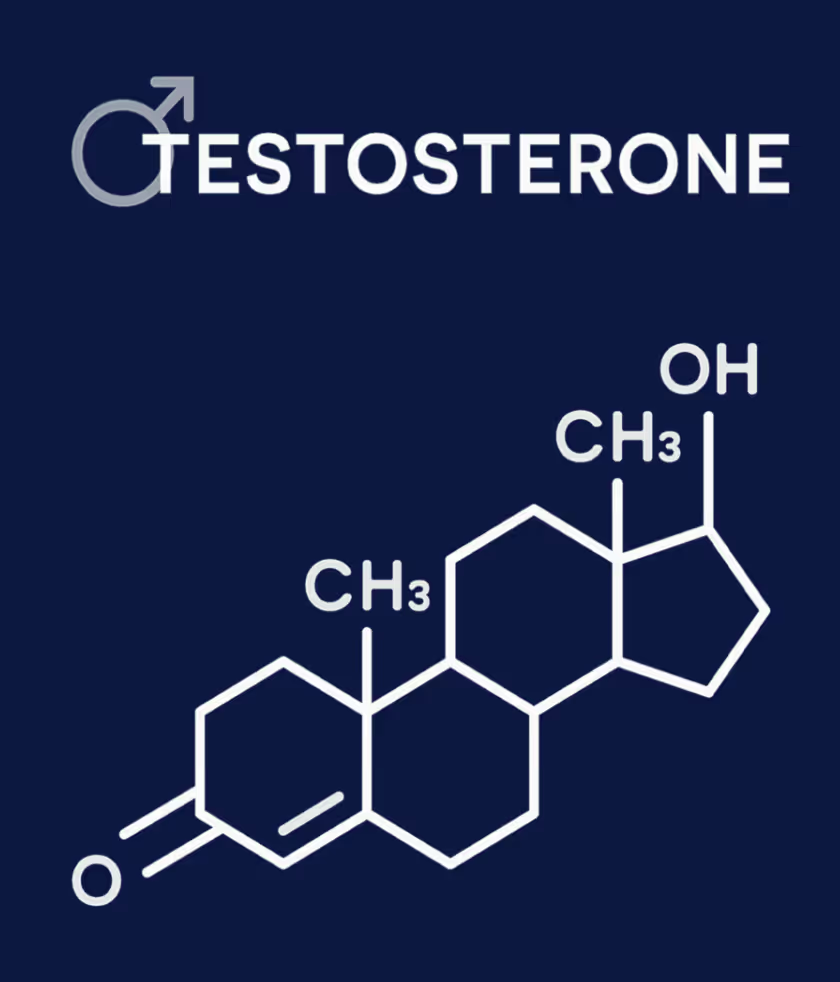
Before we talk about low T, TRT, or hair loss treatment options, it’s important to understand the hormone that drives most forms of male pattern hair loss. DHT, or dihydrotestosterone, is made when testosterone converts inside specific tissues, including the hair follicle.
It’s a powerful androgen responsible for many of testosterone’s benefits, including your sexual function, mental sharpness, and overall sense of well-being. If your hair follicles are genetically sensitive to DHT, the conversion happening inside those follicles can trigger gradual thinning.
You may have heard that “serum DHT” is the DHT level your bloodwork shows. But here’s the part most men never hear: serum DHT doesn’t cause hair loss. The number on your bloodwork isn’t what determines whether you keep or lose hair.
Only the DHT inside the follicle matters.
Serum DHT does not reflect what’s happening in androgen-sensitive tissues. You can have a high DHT level on labs and never go bald. Someone else could have a lower number and thin early. The driver is follicle sensitivity, not the total amount of DHT in your bloodstream.
That’s why blood tests cannot predict your risk of hair loss—and it’s also why two men on identical testosterone doses can have completely different outcomes.
Can Low Testosterone Cause Hair Loss? What’s the Science Says
Low testosterone by itself usually isn’t the cause of classic male pattern baldness. That type of hair loss is almost always driven by genetics and how sensitive your hair follicles are to DHT. With that said, low testosterone can still influence your hair health in other ways.
When testosterone is chronically low, men can experience:
- Dry, brittle hair
- Poor scalp circulation
- Higher inflammation
- Thinner, weaker strands
- Slower growth cycles
So while low testosterone isn’t the direct cause of male pattern hair loss, it can affect the overall quality and fullness of your hair. Some men see improved hair quality when their testosterone levels are restored to a healthy range, simply because their body is functioning better.
So… What Causes Hair Loss in Men?
Before we look at how testosterone fits into the picture, it’s important to zoom out. Most hair loss in men isn’t caused by hormones alone—and it’s almost never caused by a single factor.
Hair thinning is usually a combination of genetics, aging, lifestyle habits, and how sensitive your hair follicles are to DHT at the follicle level. Understanding these root causes will help you figure out what’s driving your shedding and what steps will make the biggest difference.
Some of the most common culprits behind male hair loss include:
- Genetic predisposition (male pattern baldness) – The most common cause and often the biggest determining factor.
- Aging and natural hormone shifts – Follicles gradually shrink with age.
- High DHT activity at the hair follicle – Sensitivity at the follicle level drives thinning, not serum DHT.
- Chronic stress and elevated cortisol – Pushes follicles into a resting phase that leads to shedding.
- Scalp inflammation – Issues like dandruff or dermatitis disrupt normal hair growth.
- Nutrient deficiencies – Low iron, ferritin, zinc, vitamin D, or protein can impair hair growth.
- Thyroid dysfunction – Both hypo and hyperthyroid conditions can trigger hair loss.
- Certain medications – Some antidepressants, blood pressure meds, and acne treatments can cause thinning.
- Lifestyle factors – Poor sleep, smoking, crash dieting, and extreme training all impact your hair health.
TRT and Hair Loss: Does Testosterone Therapy Make Thinning Worse?
This is one of the most common concerns men have when starting testosterone replacement therapy (TRT). The truth is more nuanced than the internet makes it sound.
TRT can accelerate hair loss in men who are already genetically predisposed to male pattern baldness. If you were going to lose your hair eventually, increasing testosterone may reveal that pattern sooner because the follicles have more testosterone available to convert into DHT.
But TRT does not cause hair loss in men without the genetic trait.
It’s also important to consider timing. Many men start TRT in their 30s or 40s, which is the same period when age-related hair loss naturally begins. This makes it easy to blame TRT when your genetics are actually in the driver’s seat.
What You Can Do About Hair Loss
Hair loss can come from several different places, so the right path forward depends on what’s driving your thinning. Still, there are several proven steps men can take to support thicker, healthier hair. As always, consult with your healthcare provider before trying anything new.
Here are the top options to consider for hair loss:
- Address hormonal imbalances. Optimizing testosterone, thyroid, and other key hormones can support healthier hair growth.
- Support the follicle directly. Treatments like oral or topical minoxidil, red-light therapy, and scalp-strengthening products help keep hairs in a growth phase longer.
- Reduce inflammation on the scalp. Managing dandruff, dermatitis, and buildup creates a healthier environment for follicles.
- Improve lifestyle factors that impact your hair. Better sleep, lower stress, adequate protein, vitamin D, zinc, biotin, and ferritin levels all play a role in hair quality.
- Consider medical treatments when appropriate. Topical finasteride, peptide-based products, or PRP therapy may be options depending on your goals.
- Pay attention to early changes. Addressing hair thinning at the first signs gives you the best chance of slowing or minimizing long-term loss.
FAQ: Low Testosterone and Hair Loss
Can Low Testosterone Actually Cause Hair Loss?
Low testosterone isn’t a common cause of male-pattern baldness, but it can contribute to overall thinning by increasing stress, inflammation, and poor sleep. Those factors impact hair growth more than testosterone itself. Classic receding or crown thinning is almost always genetic.
Is Hair Loss on TRT Permanent or Temporary?
TRT can only speed up shedding if you’re already genetically prone to balding. Whether it’s permanent depends on how early you intervene and how sensitive your follicles are. Many men slow or stabilize loss with the right combination of hormone optimization and targeted support.
It’s also worth noting that we typically don’t see patients experience significant hair thinning while on TRT.
Is Finasteride Safe To Use While on TRT?
Finasteride is sometimes used alongside TRT (or on its own) for men concerned about hair loss. However, we typically don’t recommend this medication for that purpose due to the potential systemic side effects that can occur from blocking DHT. It doesn’t interact with TRT and isn’t inherently unsafe, but it’s generally not our preferred approach for managing hair loss.
Can I Prevent Hair Loss if I Have a Family History of Balding?
You can’t change genetics, but you can influence how quickly those genes show up. Scalp health, inflammation control, and targeted treatments can all help slow progression. Early awareness gives you more control over long-term results.
How Do I Know if My Hair Loss Is From Genetics or Hormones?
Genetic loss usually follows a clear pattern: receding, crown thinning, or shrinking hairs over time. Hormone-related loss is more diffuse, sudden, or tied to other health changes. A full evaluation of timing, patterns, and labs can help us uncover the true cause.
Get Ahead of Hair Loss With Victory Men’s Health
Hair loss is personal, and it’s frustrating when every source says something different, but low testosterone usually isn’t the cause and TRT isn’t the villain. Once you understand what’s actually driving your thinning, you can take steps to slow thinning and strengthen your hair.
Whether you’re noticing hair thinning or dealing with low testosterone, weight management, or erectile dysfunction, our team at Victory Men’s Health can help you get answers—and a personalized treatment plan that supports your long-term health and wellness.
Ready to explore your options? Schedule a consultation for expert guidance tailored to you.

Related Resources