Nitric Oxide Benefits for Men: Boost Energy, Circulation, & Sexual Health

Jump to
Feeling a little off lately? Maybe your energy levels feel lower than usual, your workouts aren’t hitting the same, or your performance in the bedroom is less than ideal. If any of that resonates, low nitric oxide levels might be the culprit. Many men aren’t aware of powerful nitric oxide benefits like improved circulation, stamina, heart health, and even sexual performance.
Nitric oxide (NO) plays a huge part in our overall well-being. In fact, it’s so crucial that three scientists won a Nobel Prize back in 1998 for discovering its powerful effects on the body. Let’s break down what it is, why men need it, and how you can boost your levels for better health.
What Is Nitric Oxide (NO)?
Nitric oxide (NO) is a molecule made up of one nitrogen and one oxygen atom, and it’s produced naturally in the body—mostly in the lining of your blood vessels, known as the endothelium. It helps your blood vessels relax and expand, which means more oxygen and nutrients can reach your muscles and brain.
Good blood flow is essential for everything from brain function and heart health to muscle recovery and sexual function. Without enough nitric oxide, things start to slow down, and your body can’t perform at its best.
What are the Nitric Oxide Benefits for Men?
Most men don’t think twice about circulation until there’s a problem. But the truth is, nitric oxide is quietly working behind the scenes to support nearly every major system in your body.
From helping your heart pump efficiently to helping you maintain strong erections, nitric oxide is a foundational part of men’s health. When your levels drop, the ripple effect can be felt everywhere—your energy, stamina, and sexual performance all take a big hit.
Nitric Oxide and Circulation
Your body relies on healthy circulation to deliver oxygen and nutrients to every organ, muscle, and tissue. Nitric oxide helps keep that system running smoothly by improving blood flow, reducing plaque buildup, and lowering your risk of clotting. That’s why it’s often called a “miracle molecule” in cardiovascular health.
Nitric Oxide and Chronic Disease
The decline of nitric oxide production is one of the earliest markers of cardiovascular disease—and it starts earlier than most people realize. By your thirties, NO levels begin to drop by about 20% every decade. By age 65, most men have lost up to 85% of their nitric oxide production. Low nitric oxide levels are also linked to:
- High blood pressure
- Type 2 diabetes
- Poor circulation
- Low energy
- Erectile dysfunction
Factors like smoking, poor diet, lack of exercise, oxidative stress, and even overuse of certain medications (like antacids or NSAIDs) can make things worse.
Nitric Oxide and Erectile Dysfunction
In many cases, erectile dysfunction comes down to one thing: poor blood flow. And nitric oxide is what allows that blood to get where it needs to go. Here’s how it works:
- Nitric oxide activates an enzyme called guanylyl cyclase.
- This increases levels of cGMP, which causes arteries in the penis to widen.
- Blood flows into the spongy tissue known as the corpus cavernosum, creating an erection.
ED medications like prevent cGMP from breaking down, helping you maintain that blood flow. But here’s the kicker: if you’re not producing enough nitric oxide to begin with, these medications might not be as effective. If that’s the case, boosting your NO levels can make a big difference in both natural and medicated sexual performance.
What are the Signs of Low Nitric Oxide?
You don’t need a lab test to suspect your nitric oxide levels are low because your body will give you clues. While the symptoms can be subtle at first, they often become more noticeable over time.
If you’ve been dealing with unexplained fatigue, cold extremities, or poor performance, it’s worth digging deeper. Identifying these signs early could help you take action before bigger health issues set in. Some common signs of low nitric oxide levels include:
- Chronic fatigue or low energy
- Cold hands and feet
- Slower workout recovery
- Brain fog
- Difficulty getting or maintaining erections
- High blood pressure
How to Naturally Boost Nitric Oxide
If your nitric oxide levels are trending low, the good news is there’s a lot you can do about it. Lifestyle changes and smart habits can naturally support your body’s ability to produce more NO. These strategies not only help restore energy and blood flow but also improve your overall cardiovascular health and long-term vitality.
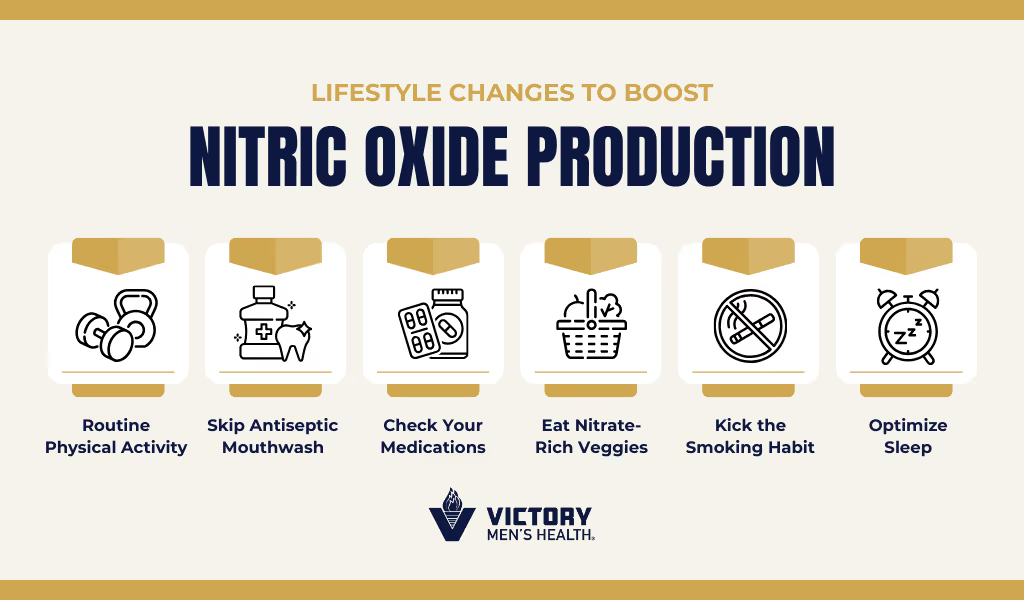
Here are the best ways to naturally boost nitric oxide:
- Regular Exercise
- Skip Antiseptic Mouthwash
- Check Your Medications
- Eat Nitrate-Rich Veggies
- Quit Smoking
- Optimize Your Sleep
Regular Exercise
Exercise is one of the most effective ways to unlock nitric oxide benefits by increasing your body’s natural production of it. The more you move, the more your body produces NO—and the more NO you produce, the better your endurance becomes. Aim for at least:
- 150 minutes of moderate activity per week (like brisk walking)
- OR 75 minutes of vigorous activity (running, swimming, biking)
Skip Antiseptic Mouthwash
Your mouth plays a surprisingly big role in nitric oxide production. Certain oral bacteria convert nutrients from your food into usable NO, but many common products like mouthwash and fluoride toothpaste can kill those helpful bacteria.
Cutting back or switching to a more natural oral care routine (like alcohol-free mouthwash or oil pulling) may help support this part of the nitric oxide process.
Check Your Medications
Over-the-counter meds like ibuprofen, aspirin, statins, and daily antacids may seem harmless, but they can interfere with how your body produces nitric oxide. If you’re taking these regularly, especially long term, it’s worth having a conversation with your provider. There may be better alternatives that don’t block one of your body’s most important molecules.
Eat Nitrate-Rich Veggies
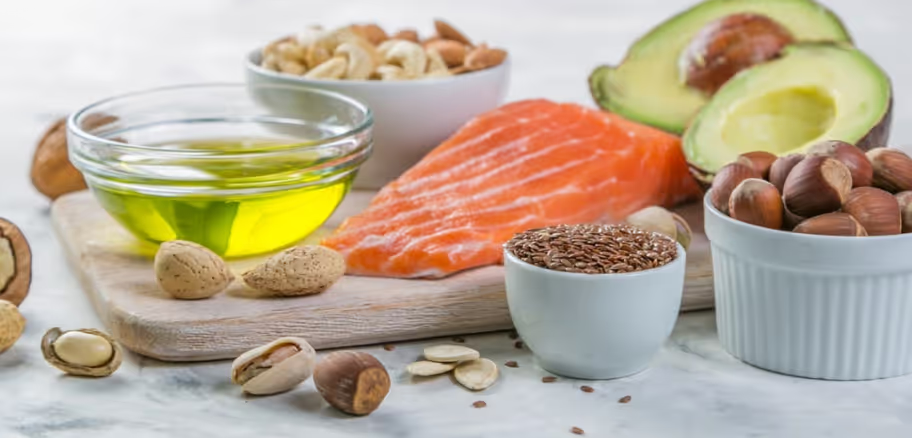
Your diet has a direct impact on your nitric oxide levels (and your erections), especially when it comes to vegetables. Leafy greens and root vegetables are packed with natural nitrates that your body can turn into nitric oxide. The key is consistency and variety. Try to get a few servings daily, and whenever possible, eat them raw or lightly cooked to preserve their nutrient content.
Here are some nitric oxide allies to incorporate into your diet:
- Spinach
- Arugula
- Kale
- Beets
- Radishes
- Cabbage
Quit Smoking
If you needed one more reason to quit, here it is: smoking is a nitric oxide killer. It damages the endothelium (where NO is made), constricts blood vessels, and drastically reduces circulation.
Quitting smoking is one of the fastest ways to experience nitric oxide benefits by improving its availability and supporting better heart health, lung function, and performance.
Optimize Your Sleep
Poor sleep actively reduces nitric oxide production by impairing endothelial function. Your endothelium is the thin lining of your blood vessels responsible for releasing nitric oxide, and when sleep is cut short or disrupted, that system can’t function properly. Over time, this can lead to higher blood pressure, poor circulation, and decreased vascular flexibility.
To support your nitric oxide levels, aim for 7–9 hours of quality sleep per night, maintain a consistent bedtime, and avoid screens or heavy meals close to lights out. Better sleep means better recovery, better blood flow, and a stronger foundation for your overall health.
Should You Take Nitric Oxide Supplements?
Before deciding whether to start taking nitric oxide supplements, speak with your healthcare provider to make sure it’s the right choice. They can help you not only make the decision, but make sure you choose a high-quality supplement.
There are plenty of NO supplements on the market promising increased blood flow, better workouts, and improved performance. The only problem? Many are built around L-Arginine or L-Citrulline alone, which—despite the hype—won’t do much without other co-factors present.
In fact, research from the American Heart Association shows that long-term L-Arginine supplementation doesn’t significantly boost NO levels or improve blood vessel function. Other products toss in beet root extract or kale powder, but those ingredients alone don’t guarantee a therapeutic dose of nitrates. You want a product that’s:
- Clinically tested in human trials
- Proven to restore nitric oxide production
- Backed by real results, not just marketing
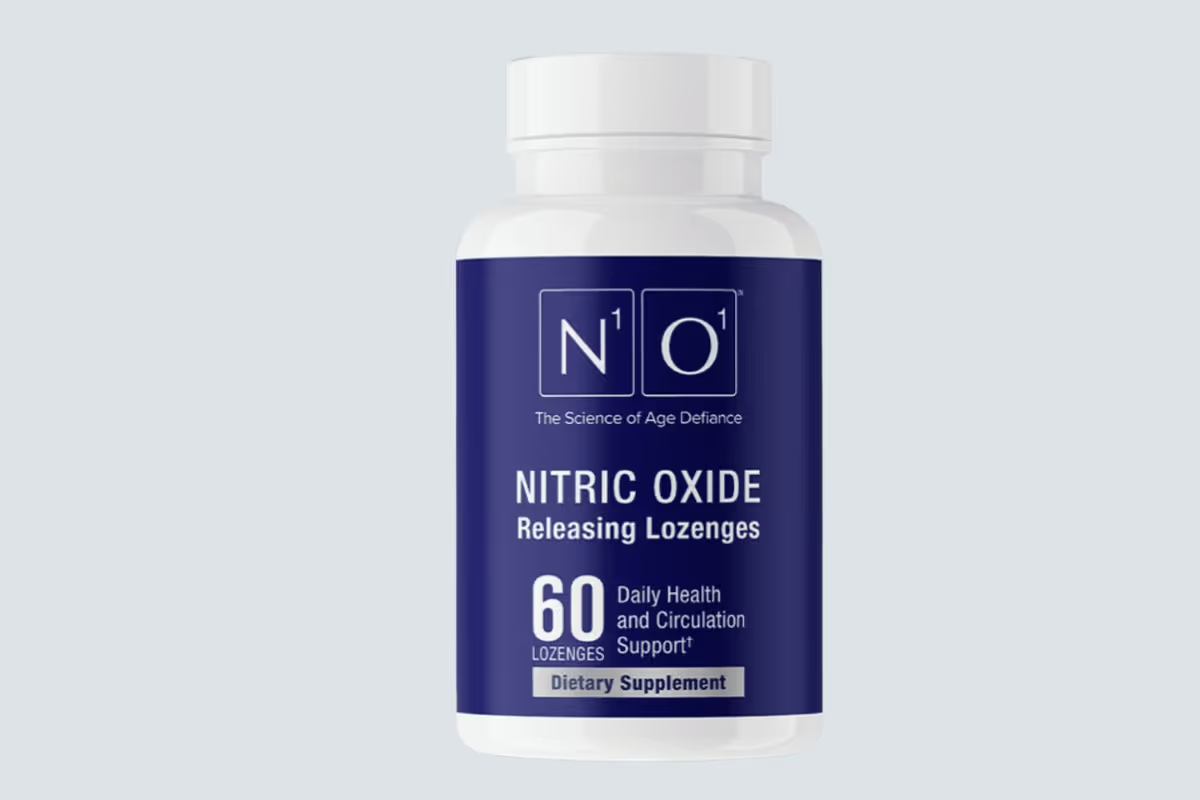
When working with patients who want to boost their NO levels, we recommend N1O1 lozenges developed by Dr. Nathan Bryan, the world’s leading expert on nitric oxide production. They’re scientifically formulated to rapidly deliver nitric oxide and bypass the common pathways that become less effective as we age.
It’s one of the few products on the market that actually lives up to the promise of real nitric oxide benefits.
Nitric Oxide Questions Our Patients Ask
Does Nitric Oxide Help With ED?
In some cases, yes! Nitric oxide is crucial in getting and maintaining erections by relaxing blood vessels and improving blood flow to the penis. For many men, increasing NO levels can significantly improve erectile function.
However, if ED is caused by low testosterone, nerve damage, or psychological factors like anxiety or stress, nitric oxide alone may not be enough. In those cases, a more comprehensive approach may be needed. Your provider may recommend combining an NO supplement with hormone therapy or other ED treatments.
Is Nitric Oxide Safe to Take Every Day?
If you’re using a high-quality, clinically tested supplement and following the right dosage, daily use is generally safe for most people. But not all products are created equal, so it’s important to consult with your provider—especially if you’re taking other medications or have health concerns.
Can I Combine Nitric Oxide with ED Medications?
In many cases, yes, and the combination can actually improve your results. Nitric oxide boosts blood flow, while ED medications help that effect last longer by preventing cGMP breakdown. Just make sure you’re working with a reputable provider who can guide you on safe, effective use and monitor any changes.
What Foods Boost Nitric Oxide Naturally?
Leafy greens, beets, radishes, and cabbage are all rich in natural nitrates that your body can convert into nitric oxide. Try to eat them fresh and regularly, as cooking or processing can reduce nitrate content. A varied, veggie-forward diet is great for anyone looking to maximize nitric oxide benefits.
Does Nitric Oxide Boost Testosterone?
While nitric oxide doesn’t directly increase testosterone, it plays a supportive role in overall men’s health. Better blood flow means improved performance, more effective workouts, and even better nutrient delivery—all of which can positively influence your hormone balance and energy levels.
Feel Like Yourself Again with Victory Men’s Health
Low nitric oxide might be silently dragging you down, hurting your performance, and putting your heart at risk. But you can do something about it. At Victory Men’s Health, we specialize in customized, science-backed solutions that help men feel like themselves again.
Whether you're looking to improve blood flow, optimize your workouts, or address ED head-on, our team is here to support you. Let’s get your nitric oxide levels back where they belong. Book a consultation today and start your journey toward better health.

Related Resources