When to Take Magnesium Glycinate for the Best Results

Jump to
Wondering when to take magnesium glycinate? It’s true that if you’re dealing with brain fog, muscle cramps, or low testosterone, magnesium deficiency could be part of the picture. But here’s the catch: not all magnesium supplements are designed to target the same issues.
If you’ve found this blog post, you probably have a hunch that magnesium glycinate could be the right fit. For many people, it’s one of the most effective options—but it all depends on your unique symptoms and goals.
Today, we’ll break down the magnesium glycinate benefits for men, how it stacks up to other forms, and when to take it for the best results. You should always talk to your provider before adding a new supplement to your routine, but here’s what to know first.
What Is Magnesium Glycinate and Why Does It Matter?
Magnesium glycinate is one of the most absorbable, well-tolerated forms of magnesium out there. It’s made by combining elemental magnesium with glycine, an amino acid that has a calming effect on the nervous system.
That combination makes magnesium glycinate especially powerful for men looking to manage stress, improve sleep, support hormone health, and optimize recovery.
Unlike magnesium oxide or citrate, which can be harsh on the gut or act as laxatives, this form is known for being easy on digestion while delivering long-term results.
What Are the Magnesium Glycinate Benefits for Men?
There’s a reason magnesium glycinate is a standout in so many wellness protocols. It actively supports the systems you rely on to feel strong, sharp, and energized. Here are the potential benefits worth knowing about:
- Improves sleep quality – Glycine helps quiet the nervous system, making it easier to fall asleep and stay asleep.
- Reduces stress and anxiety – Magnesium plays a major role in calming the brain and regulating stress hormones.
- Aids muscle recovery and performance – It helps regulate muscle contractions and reduce cramping, which is especially important if you train hard.
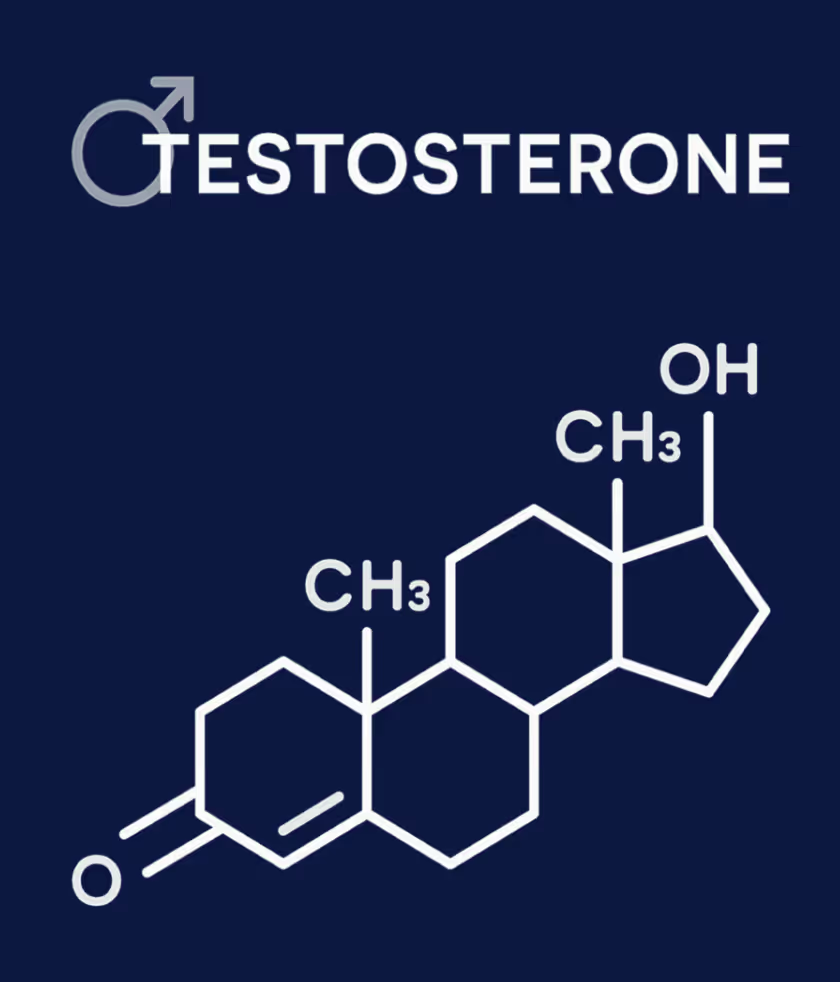
- Supports testosterone production – Low magnesium has been linked to lower testosterone. Magnesium glycinate supports better sleep and lower cortisol, both key to healthy T levels.
- Supports heart and metabolic health – Adequate magnesium helps keep blood pressure in check and supports healthy insulin sensitivity.
When to Take Magnesium Glycinate for the Best Results
You’ve got the right form, but when exactly should you take it? That depends on your goals. If your main focus is better sleep, relaxation, or recovery, take magnesium glycinate about 1-2 hours before bed. That gives it time to kick in and promote a deeper, more restful night’s sleep.
If you’re using it for stress reduction, muscle recovery, or daily magnesium support, you can take it in the morning or split the dose between morning and night. It’s generally well-absorbed with or without food, but if you’re prone to digestive sensitivity, take it with a small meal.
Pro tip: If your healthcare provider recommends taking more than 300-400 mg daily, splitting the dose may help improve absorption and reduce the chance of mild GI upset.
Why Take Magnesium Glycinate vs. Other Magnesium Supplements?
With so many types of magnesium on the market, it’s easy to get lost in the details. At Victory Men’s Health, the magnesium we carry goes a step further: it’s chelated using TRAACS® technology (The Real Amino Acid Chelate System by Albion Minerals).
This process binds magnesium to amino acids, making it more bioavailable, easier to absorb, and gentler on your stomach. That means you get the benefits without the digestive discomfort that often comes with other magnesium supplements.
Here’s how magnesium glycinate stacks up against the rest:
- Magnesium citrate – Works well for constipation, but may cause loose stools.
- Magnesium oxide – Affordable, but poorly absorbed and not ideal for performance or sleep.
- Magnesium threonate – Targets brain function and cognitive health, but isn’t as calming or muscle-supportive.
- Magnesium malate – Good for energy production and muscle soreness, but less effective for relaxation and sleep.
Bottom line? Magnesium glycinate (especially in its chelated TRAACS® form) is the sweet spot for most men. It’s the best choice if you’re dealing with poor sleep, high stress, or muscle cramps, and it ensures your body is actually absorbing what it needs.
How Much Magnesium Glycinate Should You Take?
Most adult men need 400 to 420 mg of magnesium per day, but many fall short due to diet, stress, and intense training. A typical magnesium glycinate supplement provides around 100 to 200 mg of elemental magnesium per serving, so you may need to take 2 or 3 capsules to hit your optimal dose.
If you’re still struggling with symptoms like trouble sleeping, muscle cramps, or fatigue—and your blood work shows low or suboptimal magnesium—talk to your provider about dosing. Too much magnesium can cause diarrhea or low blood pressure, but most men tolerate glycinate well (even at higher doses).
At Victory Men’s Health, we start with blood testing to determine the root cause of your issues so we can create a personalized plan that works for you. This may include pairing magnesium with other pharmaceutical-grade supplements or strategies for the best possible results.
Can Magnesium Improve Sleep and Recovery?
Absolutely. If you’re struggling to fall asleep or wake up feeling unrested, magnesium glycinate could be a game-changer. Glycine helps calm the brain and promote deeper REM sleep, while magnesium itself supports melatonin production and muscle relaxation.
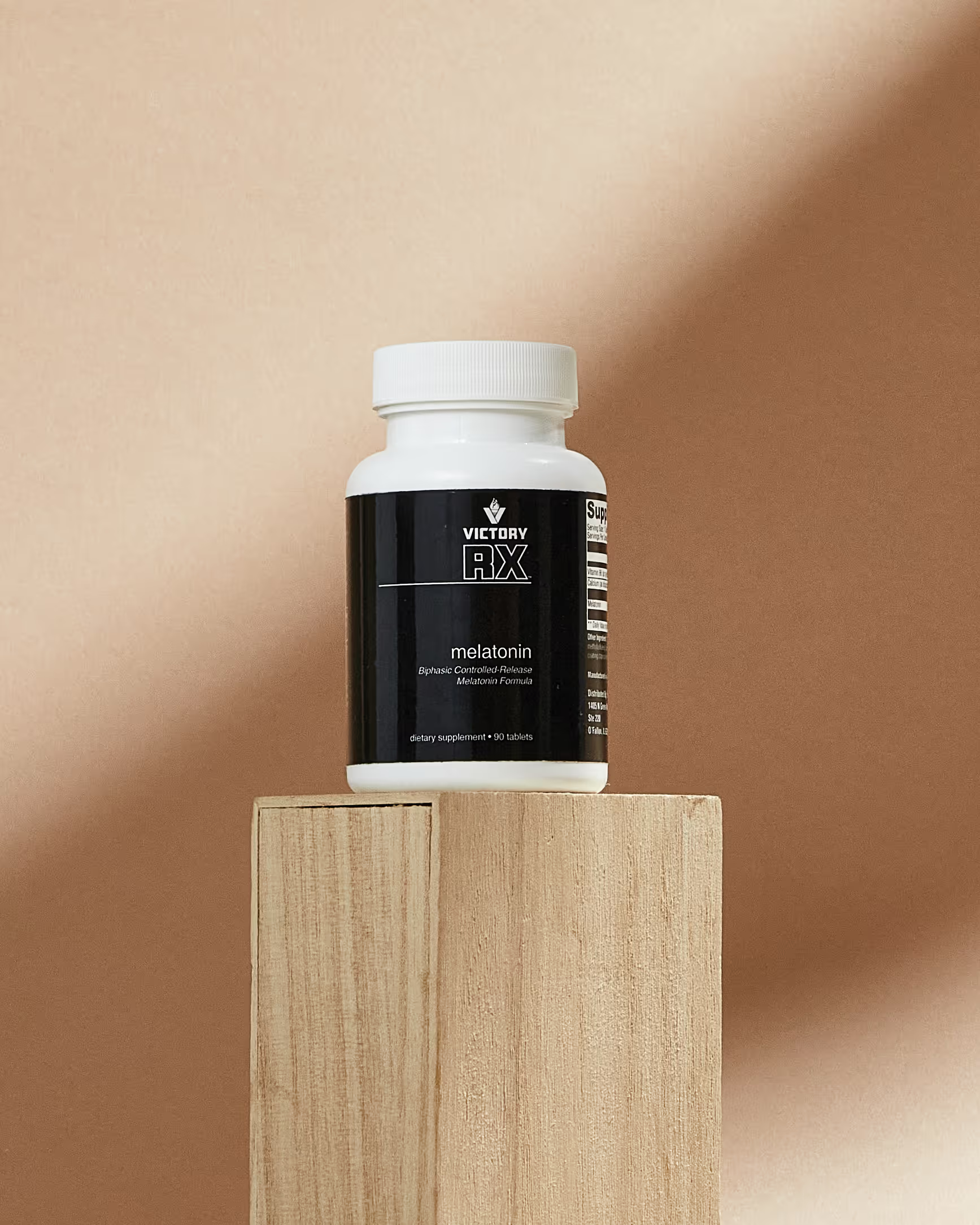
For even better results, some men combine magnesium glycinate with sustained-release melatonin or GABA—especially if their sleep issues are tied to stress or hormone imbalance. The result? Faster recovery, more stable energy, and better mental clarity the next day.
If you’re on testosterone replacement therapy (TRT) or GLP-1s, you may be burning through magnesium faster than normal, so a nighttime dose can be especially helpful.
Who Should Take It?
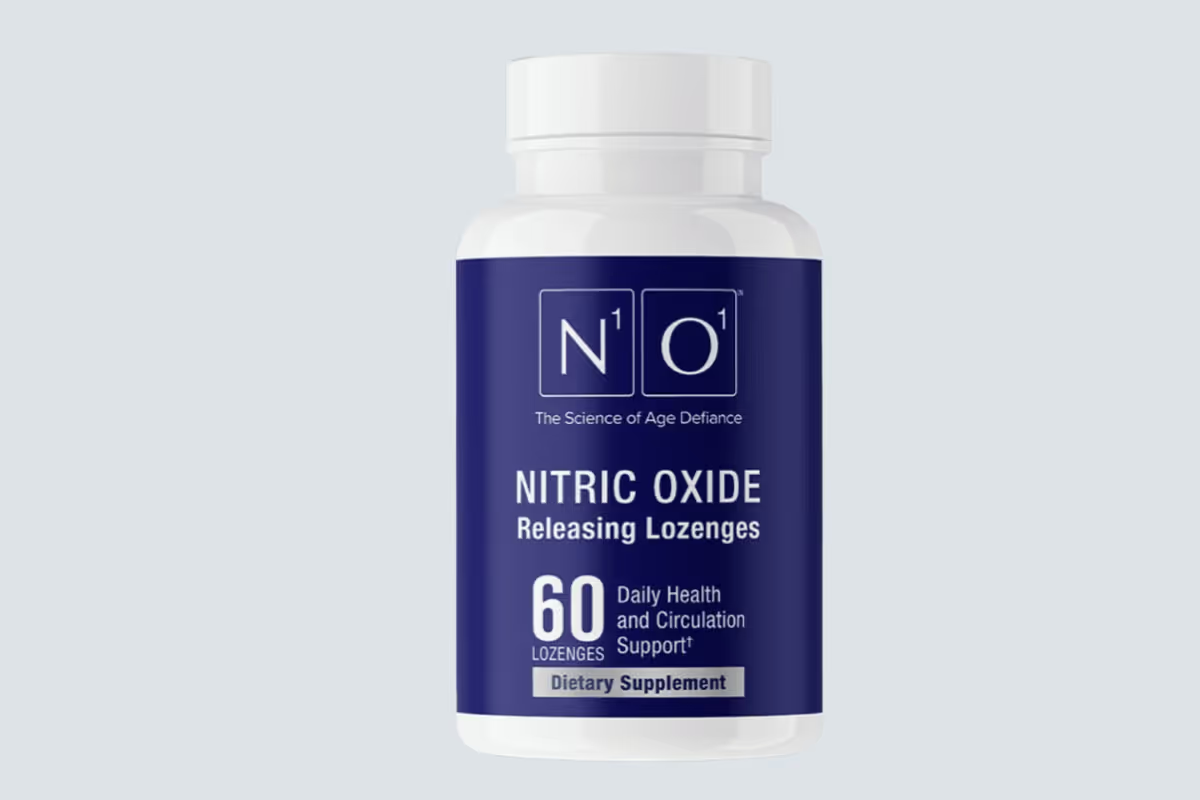
Magnesium glycinate isn’t just for men with obvious deficiencies. It’s a smart addition for anyone focused on optimizing their performance and long-term health. We consider it part of our “Foundational Four” — aka supplements that are ideal for any man looking to optimize their health and longevity. (The other three are creatine, omega-3s, and nitric oxide!)
You should especially consider magnesium if you:
- Have trouble sleeping or staying asleep
- Experience frequent stress, anxiety, or restlessness
- Deal with muscle cramps, tightness, or poor recovery
- Are on testosterone therapy or GLP-1 medications
- Have elevated cortisol or blood pressure
If you’re already taking a multivitamin or magnesium blend, check the label. Many use inferior forms like oxide or sulfate, which aren’t well absorbed.
What to Know Before You Start
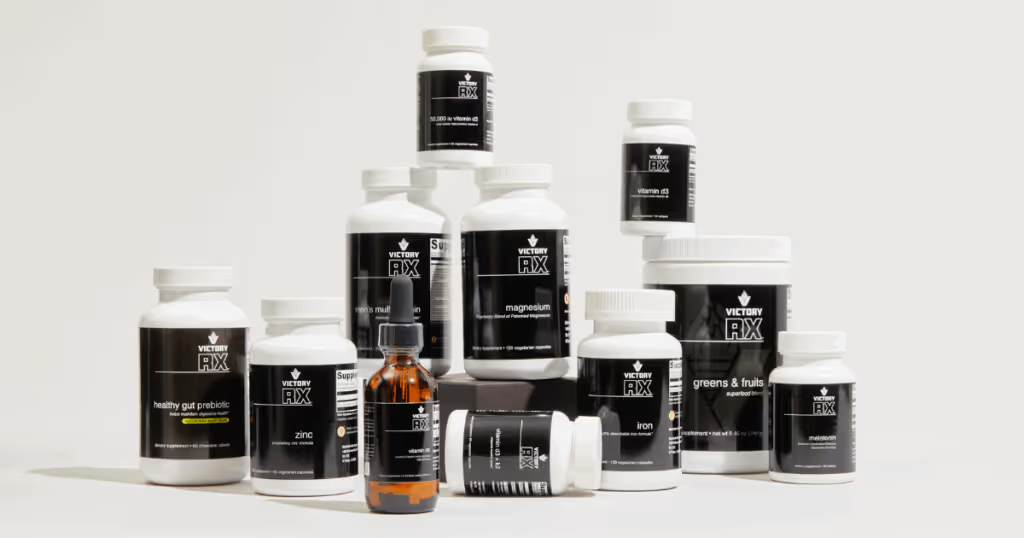
Before you start taking magnesium glycinate, make sure you’re getting a quality supplement. Look for pharmaceutical-grade, filler-free, and bioavailable options—like the one we offer. Some men prefer capsules, while others like powder for customizable dosing.
At Victory Men’s Health, we can recommend high-quality supplements like chelated magnesium glycinate for men who want gentle yet targeted support. Watch for interactions if you’re on blood pressure meds, antibiotics, or diuretics, and always talk to your provider first.
Common Questions About Magnesium Glycinate for Men
Can Magnesium Glycinate Boost Testosterone?
It’s possible, indirectly. This form of magnesium helps lower cortisol and improve sleep, both of which are key for healthy testosterone production.
Is It Better to Take Magnesium Glycinate in the Morning or at Night?
Most men take it at night for better sleep, but you can split the dose depending on your specific health needs and goals.
Can Magnesium Glycinate Help With Anxiety?
Yes, the glycine component promotes calmness and may reduce symptoms of high stress and anxiety.
Can You Take Magnesium Glycinate Long-Term?
It’s generally safe and well-tolerated for long-term use, especially when taken at recommended doses. However, it’s important to consult with your provider before adding any new supplements to your routine, no matter how long you plan on taking them.
Can I Take It With Other Supplements Like Creatine or Vitamin D?
Absolutely. Magnesium pairs well with most supplements and may enhance the effectiveness of creatine and vitamin D3. If you’re unsure whether your current supplements will pair well with magnesium, ask your provider before getting started.
Ready to Sleep Better and Feel Stronger?
Magnesium is a foundational tool for hormone health, recovery, and overall performance. Knowing which type to take and when to take it is the best way to optimize your results, especially if you’re addressing symptoms like poor sleep or high stress.
If you’re not sure how to get started, our team can help you build a personalized treatment plan based on your labs, lifestyle, and goals. We’ll guide you toward your best path forward, so you can feel like the best version of yourself.
Contact us today to book your consultation and begin the journey toward better health.

Related Resources