High Testosterone in Women: What Causes It?

Jump to
Have you noticed acne that won’t go away, irregular cycles, or hair growth in unusual places? It could be high testosterone. Women need testosterone just like men do, but when levels go too high, it can throw your body out of balance. So, what causes high testosterone in women?
That’s the question we’re answering in today’s blog post. In an episode of the Women Want Strong Men podcast, Kristy Hales joined our CEO Amy Stuttle in an in-depth discussion on women’s hormonal health. Listen to the full episode below, then keep reading for more.
https://open.spotify.com/episode/557Uaw3ytaseWHTbgX1dO0
At Victory Men’s Health, we take hormone health seriously. If you’ve been struggling with the stubborn symptoms of high testosterone, understanding what’s causing it is the first step toward feeling like yourself again. Let’s dive into what’s going on and, more importantly, how to fix it.
Why Do Women Need Testosterone?
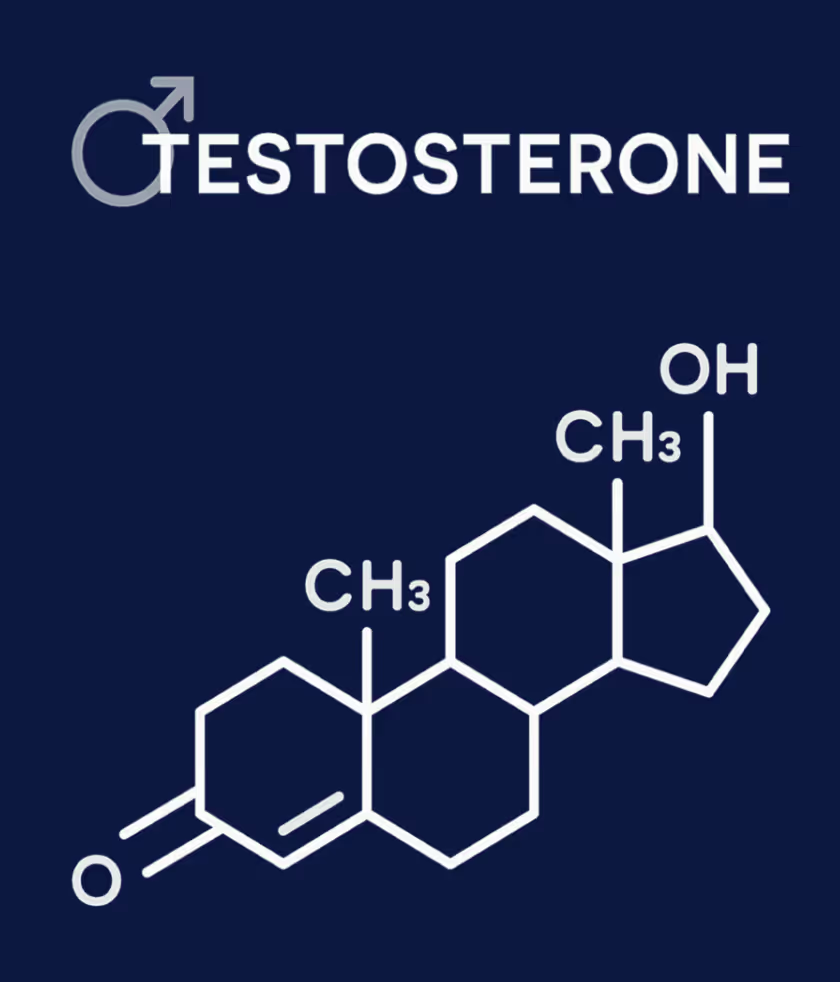
Testosterone isn’t just for men—it’s an essential hormone for women too. Produced by the ovaries and adrenal glands, testosterone plays a role in:
- Maintaining muscle strength and bone density
- Supporting mood stability and cognitive function
- Regulating libido and sexual health
- Aiding in metabolism and fat distribution
However, when testosterone levels climb too high, it can be a problem. High testosterone in women can cause unwanted symptoms like acne, unwanted hair growth, irregular cycles, weight gain, and even fertility issues. The key to managing testosterone is figuring out what’s triggering the imbalance, which brings us to our next section.
Common Causes of High Testosterone in Women
If you’re experiencing symptoms of high testosterone, it’s normal to feel frustrated—especially if doctors haven’t given you clear answers. The truth is, there are several underlying factors that can cause testosterone to rise, and for many women, it’s not just one thing.
The good news? Once you pinpoint the cause, you can start taking the right steps to bring your body back into balance. The most common causes of high testosterone in women include:
- Polycystic Ovary Syndrome (PCOS)
- Insulin Resistance & Metabolic Dysfunction
- Stopping Birth Control & Hormonal Imbalances
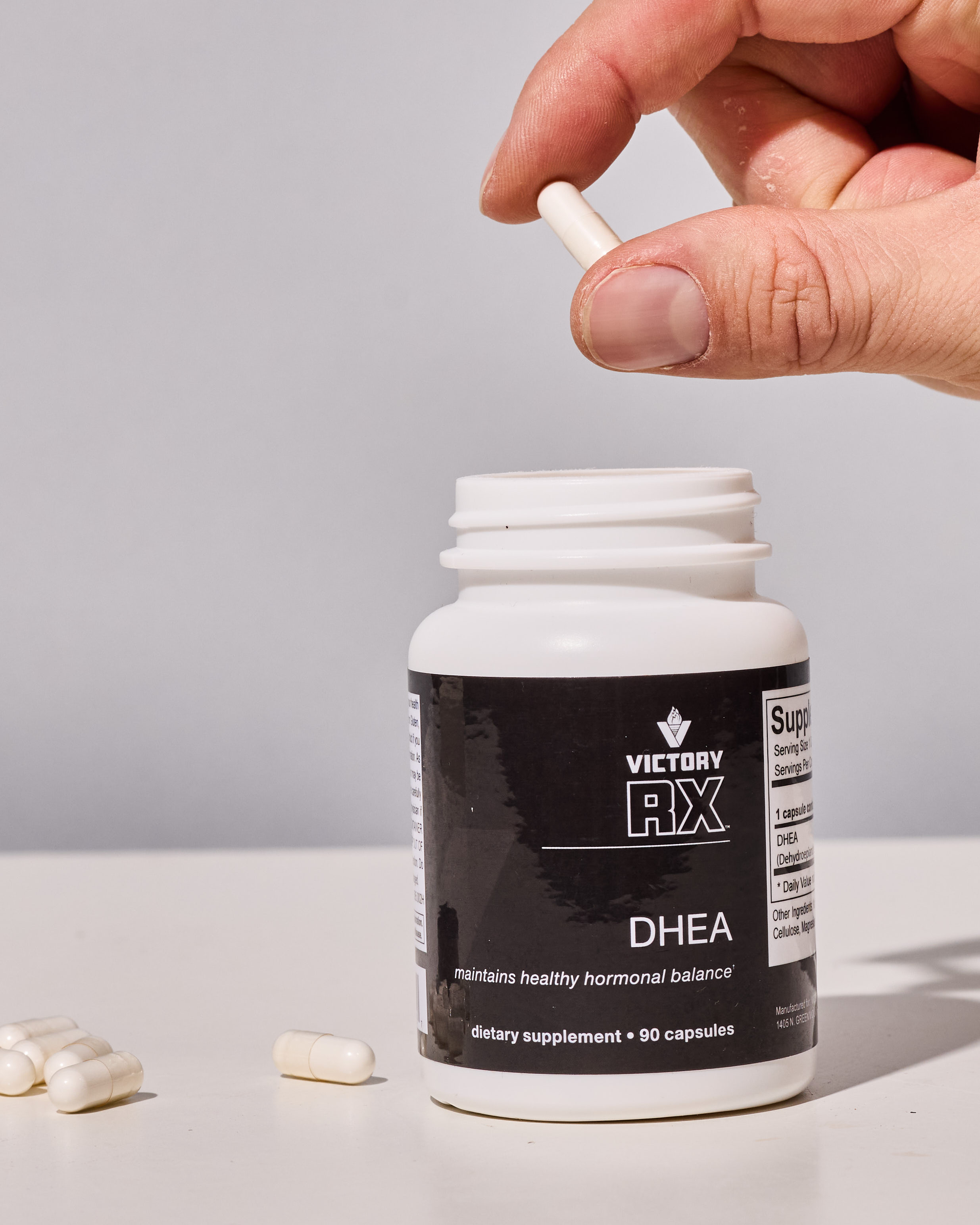
- High DHEA Levels (Adrenal-Driven Testosterone)
- Congenital Adrenal Hyperplasia (CAH) & Other Rare Conditions
Polycystic Ovary Syndrome (PCOS)
One of the most common causes of high testosterone in women is PCOS (Polycystic Ovary Syndrome). PCOS affects 1 in 10 women, but many go undiagnosed for years. It’s a hormonal disorder often linked to insulin resistance, which means your body doesn’t process sugar efficiently. When insulin levels rise, it triggers the ovaries to overproduce testosterone.
This can lead to symptoms like:
- Irregular or missing periods
- Acne and oily skin
- Unwanted hair growth (hirsutism)
- Difficulty losing weight
If you think you might have PCOS, it’s best to consult with a healthcare provider who can conduct blood tests to get answers.
Insulin Resistance & Metabolic Dysfunction
Even if you don’t have PCOS, insulin resistance can still cause elevated testosterone. When your body struggles to regulate blood sugar, your pancreas pumps out more insulin, which can stimulate the ovaries to produce excess testosterone.
Here are some signs that insulin resistance might be at play:
- Sugar cravings
- Fatigue after meals
- Sudden weight gain (especially around the midsection—aka “hormone belly”)
- Skin tags or darkened patches of skin (acanthosis nigricans)
Stopping Birth Control & Hormonal Imbalances
Birth control is often marketed as a quick fix for hormonal issues, but many types actually shut down natural hormone production. This rings especially true for oral contraceptives, Nexplanon, Depo-Provera, and NuvaRing.
These forms of birth control suppress LH (Luteinizing Hormone) and FSH (Follicle Stimulating Hormone), which are responsible for testosterone regulation. For some women, stopping birth control leads to a temporary testosterone surge.
This surge can cause acne, mood swings, and irregular cycles. Working with a healthcare provider to support hormone balance post-birth control can make the transition much smoother.
High DHEA Levels (Adrenal-Driven Testosterone)
Testosterone production isn’t just controlled by the ovaries; your adrenal glands also play a role. When your body is under stress, the adrenals produce DHEA (Dehydroepiandrosterone), which can convert into testosterone. Signs of high DHEA-driven testosterone include:
- Persistent acne
- Oily skin
- Hair thinning or hair loss
- Increased muscle mass without training
Congenital Adrenal Hyperplasia (CAH)
A rare cause of high testosterone is Congenital Adrenal Hyperplasia (CAH), a genetic condition that leads to excess androgen (testosterone) production. Women with CAH may experience severe acne, irregular periods, and infertility.
If you’ve ruled out the common causes of high testosterone in women, it may be best to consult with a provider for specialized hormone testing.
What are the Symptoms of High Testosterone in Women?

High testosterone in women is more common than you think. When left unchecked, it can wreak havoc on your health and confidence. So how do you know if your testosterone levels are too high? Here are the most common symptoms:
- Persistent acne, oily skin
- Unwanted hair growth (face, chest, back)
- Hair thinning or male-pattern baldness
- Irregular or missing periods
- Mood swings, anxiety, or irritability
- Weight gain, especially around the midsection
- Decreased breast size
- Low libido or sexual dysfunction
If you’re dealing with more than one of these, getting your hormones tested is the next step.
How to Test for High Testosterone in Women
If you suspect high testosterone, the right lab tests can help you confirm what’s going on. Unfortunately, a lot of women are told their hormones are “normal” without a look at the bigger picture. That’s why it’s essential to work with a provider who specializes in hormone optimization and knows what to test for (and when).
Here’s a look at the hormone tests that can help you get answers:
- Total & Free Testosterone – Measures both bound and active testosterone levels.
- DHEA-S – Checks adrenal function.
- Sex Hormone Binding Globulin (SHBG) – Determines how much testosterone is "free" and active.
- Insulin & Fasting Glucose – Assesses insulin resistance.
- LH/FSH Ratio – Helps diagnose PCOS.
Our testosterone levels fluctuate throughout the month, so testing should be done during the first half of your cycle. It’s typically recommended to get checked between days three and ten.
How to Lower High Testosterone Naturally
There isn’t a quick fix for balancing your hormones. You have to understand your body and give it what it needs to function best. If high testosterone is causing unwanted symptoms, there are steps you can take to bring it back to normal. (On the flip side, if you’re a man looking to boost testosterone naturally, check out this blog post.)
The key is treating the root cause, whether that’s insulin resistance, stress, or hormone imbalances. Here’s where to start:
- Balance Blood Sugar & Reduce Insulin Resistance
- Support Your Adrenals & Reduce Stress
- Optimize Your Progesterone Levels
- Use Hormone-Balancing Supplements
Balance Blood Sugar & Reduce Insulin Resistance
Insulin resistance is one of the biggest drivers of high testosterone, especially in women with PCOS. When your body isn’t processing blood sugar efficiently, insulin spikes—and that triggers your ovaries to produce excess testosterone.
Here are some ways to get insulin under control:
- Focus on protein-rich meals with fiber and healthy fats to stabilize blood sugar.
- Cut back on processed carbs and sugars.
- Try supplements like berberine and inositol, which are natural alternatives to Metformin.
- Incorporate strength training into your weekly routine.
Support Your Adrenals & Reduce Stress
When you’re under chronic stress, your adrenal glands produce DHEA, which can convert into testosterone—leading to symptoms like acne, hair loss, and mood swings. Here’s how to support your body’s adrenal function:
- Prioritize sleep—your hormones reset at night, and lack of sleep worsens stress.
- Cut back on caffeine and overtraining, both of which can spike cortisol and testosterone.
- Try adaptogens like ashwagandha or rhodiola to support stress resilience.
Optimize Your Progesterone Levels
In PCOS, it’s common to see low progesterone alongside high testosterone, and both imbalances can contribute to unwanted symptoms. Weight loss is the best way to improve symptoms in women with PCOS, either naturally or with the help of medication like GLP-1s (Semaglutide), Metformin, and Spironolactone.
Many women, especially those on birth control or in perimenopause, have progesterone deficiency without realizing it. Here are some ways to naturally boost progesterone:
- Focus on stress reduction, as cortisol steals from progesterone production.
- Eat foods rich in zinc and vitamin B6, which support natural progesterone levels.
Use Hormone-Balancing Supplements
Certain supplements can help bring testosterone levels down while supporting your overall hormone balance. Some examples include:
- Spearmint Tea – Naturally lowers testosterone levels and reduces excess hair growth.
- Zinc – Helps regulate testosterone and supports healthy skin.
- Omega-3s – Reduces inflammation and supports metabolic health.
- Magnesium – Helps lower cortisol and stabilize blood sugar, both of which impact testosterone.
Take Control of Your Hormonal Health
If you’re struggling with the symptoms of high testosterone in women, you don’t have to settle for feeling “off.” The key is finding the root cause, getting the right testing, and making strategic lifestyle changes to restore balance.
At Victory Men’s Health, we specialize in hormone optimization to help men and women feel their best. Ready to take the next step? Contact us to schedule a consultation and start taking control of your hormonal health today.

Related Resources