Does Zinc Increase Testosterone? What the Experts Say

Jump to
Does zinc increase testosterone? It's one of the most common questions we hear from men looking for natural ways to support their hormone levels, and we understand why. Zinc shows up in countless men's health supplements and online forums about boosting testosterone.
The connection between zinc and testosterone is real, but it's also more nuanced than most headlines make it seem. Before you add another supplement to your routine, here's what the research says and who is most likely to benefit from increasing their zinc intake.
Does Zinc Increase Testosterone?
The short answer is yes, but mostly in men who are deficient. Researchers have known for years that zinc and testosterone are closely connected, and studies have shown that when zinc levels get too low, testosterone production can suffer.
That's where the idea that zinc boosts testosterone comes from. What often gets left out of the conversation is that many of these studies involve men who were deficient in zinc to begin with. When those men restored healthy zinc levels, testosterone production improved.
That's very different from saying zinc will dramatically increase testosterone in every man who takes a supplement.
Think of zinc as a nutrient your body needs to maintain healthy hormone production. If you're deficient, correcting that deficiency may help. If your zinc levels are already adequate, taking more probably won't make much of a difference and might even lead to gut health side effects from taking too much zinc.
Why Zinc Matters for Testosterone Production
Even though zinc isn't a magic testosterone booster, it still plays an important role in men's health. It’s involved in hundreds of bodily processes and helps support everything from immune function and tissue repair to fertility and hormone production. Your body relies on it every day, which is why consistently low zinc intake can create problems over time.
When it comes to testosterone specifically, zinc helps support the normal function of the testes, which is where testosterone is produced. It also plays a role in several cellular processes involved in hormone regulation and reproductive health.
This is one reason we pay attention to nutrient status when evaluating men with symptoms of low testosterone. Your body needs the right building blocks to function properly, and zinc is one of those building blocks. Hormone health is influenced by a lot more than zinc, but low levels can make an already challenging situation even harder.
What Happens When You're Deficient in Zinc?
One reason the connection between zinc and testosterone gets so much attention is that zinc deficiency can produce symptoms that look surprisingly similar to low testosterone.
Men with low zinc levels may notice symptoms such as:
- Low libido
- Fatigue
- Reduced exercise performance
- Slower recovery from workouts
- Frequent illness
- Difficulty building or maintaining muscle
- Fertility challenges
- Hair thinning
Many of these symptoms overlap with symptoms we commonly associate with low testosterone. That's why it can be hard to know what's causing the problem without a closer look.
We’ve seen men who come in thinking their testosterone is low because they’re tired, struggling with motivation, or noticing changes in their sex drive. Sometimes low testosterone is part of it. Other times, poor sleep, chronic stress, or other health concerns are bigger contributors.
Research consistently shows that the strongest case for zinc supplementation exists in men who are truly deficient. In those situations, restoring healthy zinc levels may help support testosterone production and improve overall health.
What you don’t want to do is start a new supplement before you know whether a deficiency is present in the first place.
Can Zinc Supplements Boost Testosterone in Healthy Men?
If you already have healthy zinc levels, the evidence suggesting zinc supplements will increase testosterone is fairly limited. Your body doesn't continue producing more testosterone just because you add more zinc.
Think about it this way: correcting a deficiency can help restore normal function, but that doesn't necessarily mean you'll exceed your body's natural baseline. It’s one reason many men end up disappointed after trying supplements that claim to boost testosterone.
Marketing tends to make us think that a single ingredient is the missing piece. In reality, testosterone production is influenced by many factors. That said, zinc is an exception when a true deficiency is present.
Studies have found that correcting a zinc deficiency can significantly increase testosterone levels, with some reporting their levels nearly doubling after zinc status was restored.
It's also worth noting that taking excessive amounts over time can interfere with copper absorption and contribute to digestive issues such as nausea, stomach discomfort, and other unwanted side effects.
Which Men Should Consider Zinc Supplements?
While not every man needs a zinc supplement, there are certain situations where supplementation may make sense. Men who may benefit from additional zinc include:
- Men with documented zinc deficiency
- Men who eat very little red meat or shellfish
- Vegetarians and vegans
- Men with digestive disorders that affect nutrient absorption
- Those who sweat heavily (therefore depleting zinc)
- Men following highly restrictive diets
- Men whose healthcare provider has recommended supplementation
For these individuals, improving zinc intake may help support hormone health, immune function, recovery, and overall well-being. If you're concerned about low testosterone, getting the right labs is a much better first step than experimenting with supplements.
What's the Best Way to Increase Zinc Intake?
Food is usually the best place to start. Many whole foods naturally contain zinc and provide additional nutrients that support testosterone. Some of the best dietary sources of zinc include oysters, beef, poultry, shellfish, pumpkin seeds, nuts, beans, legumes, and dairy products.
Building meals around protein-rich, minimally processed foods can also help improve zinc intake naturally while supporting other aspects of your metabolic and hormone health.
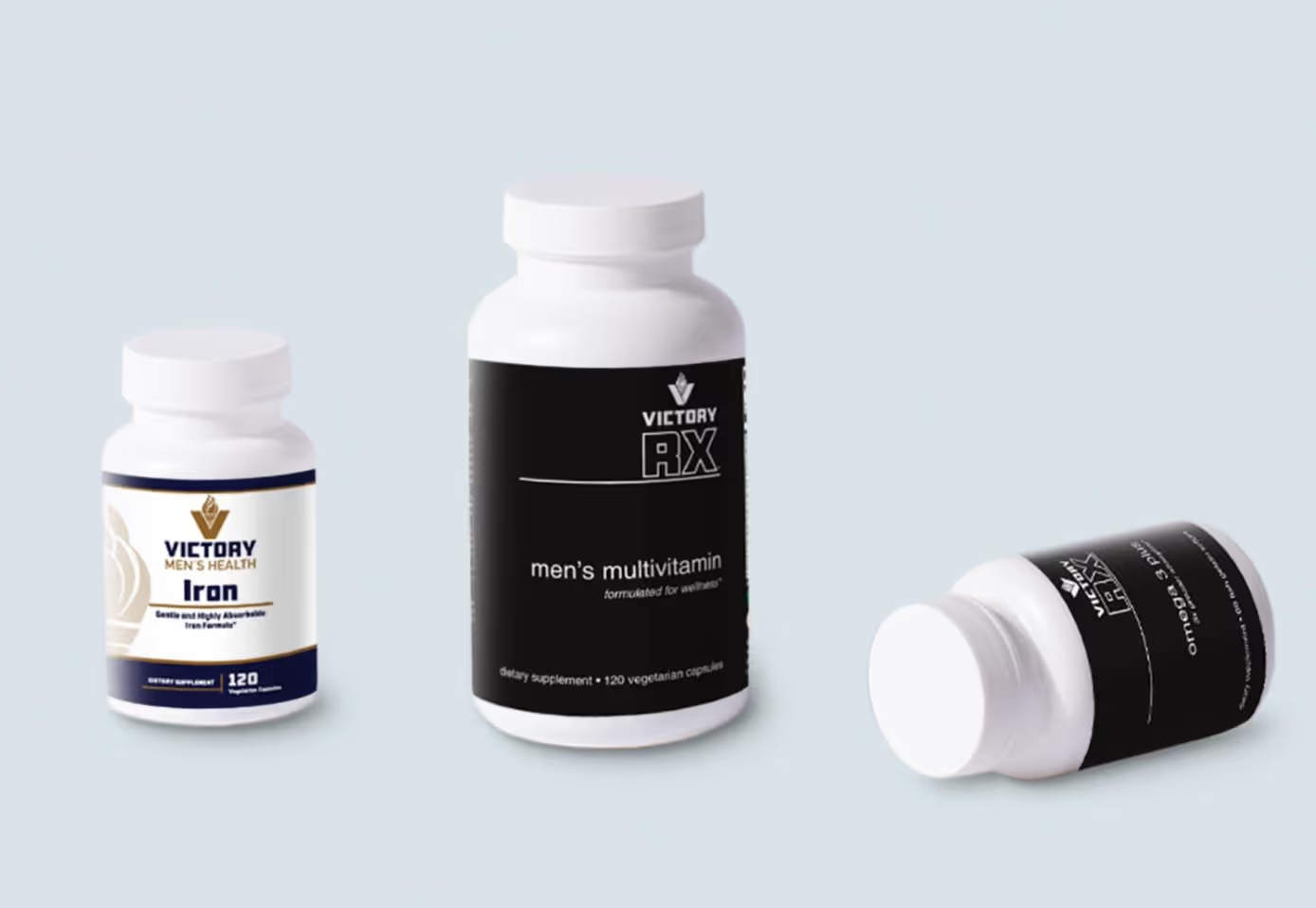
Supplements can absolutely have a place, particularly for men who are deficient or have difficulty meeting their needs through food alone. The key is working with your healthcare provider to figure out an appropriate dose, rather than assuming more is always better.
Optimize Your Testosterone Levels With Victory Men's Health
Zinc plays an important role in testosterone production, but it's not the only factor affecting hormone levels. For some men, correcting a zinc deficiency may help support healthier T levels. For others, the bigger opportunity may lie in reducing stress or addressing excess body fat.
At Victory Men's Health, we take a comprehensive approach to hormone optimization. Instead of guessing what might help, we use advanced testing and personalized treatment plans to identify what's driving your symptoms and create a strategy that fits your goals.
Ready to get answers? Book a consultation today and let our team help you build a personalized plan for long-term health and vitality.

Related Resources