Testosterone Boosters for Men: What They Are & What to Know
Jump to
If you’ve been searching for ways to improve your energy, motivation, or sex drive without jumping straight into testosterone replacement therapy (TRT), you’ve probably seen ads for “testosterone boosters.”
These flashy supplements often contain herbal blends like fenugreek, tribulus, or tongkat ali. While they promise big results, they’re rarely regulated, often incorrectly dosed, and in some cases, contaminated with harmful ingredients.
At Victory Men’s Health, we take a different approach. Instead of relying on one-size-fits-all testosterone booster formulas, we help men look at the full picture: nutrient status, adrenal health, sleep, stress, gut health, and other hormone levels that impact testosterone.
Think of this not as a review of over-the-counter “T-boosters,” but as a comprehensive guide to supporting testosterone naturally—whether through strategic supplementation, habit changes, or investigating deeper health issues.
On an episode of the Women Want Strong Men podcast, we sat down with hormone optimization expert Dave Lee to explore the common mistakes men make with testosterone replacement therapy (TRT) and the habits that can help—including which supplements to take.
Save that episode for later, and keep reading for a breakdown of what to know about testosterone boosters, how they work, and when it’s time to consider TRT.
What Are Testosterone Boosters?
“Testosterone boosters” is a broad, often misleading term used for supplements that claim to naturally increase your testosterone. These often contain herbal ingredients like tongkat ali, fenugreek, tribulus, or other plant extracts. Most of these blends are:
- Poorly regulated
- Contain unproven ingredients
- Sometimes contaminated or inaccurately labeled
That’s why we don’t recommend your average over-the-counter testosterone booster. That said, there are safe and effective ways to support your testosterone naturally—just not the way most supplement companies market them.
Rather than chasing the latest “T booster” pill, we recommend focusing on nutrient optimization, stress and sleep support, hormone precursors, and lifestyle changes. These methods can help your body support testosterone production more effectively, especially when guided by labs.
Do Testosterone Boosters Actually Work?
Some testosterone boosters can help support healthy levels—but only under the right conditions. If your testosterone is low due to things like nutrient deficiencies, chronic stress, poor sleep, or lack of physical activity, targeted supplements and lifestyle changes may help your body produce more on its own.
However, if you're young and your testosterone is very low, it’s important to look deeper. Your body isn’t naturally deficient in herbal ingredients found in most boosters—it may be responding to something more serious. Conditions like anemia, sleep apnea, chronic illness, pituitary dysfunction, or even cancer can cause your body to prioritize survival over hormone production.
That’s why advanced lab testing is so important. It helps uncover the root cause and determine whether you’d benefit more from lifestyle shifts, medical treatment, or testosterone replacement therapy (TRT) for long-term results.
Natural Testosterone Boosters for Men
If you’re looking for testosterone boosters to help increase your levels or reduce unwanted symptoms, it’s important to understand your options. Keep in mind: quality and dosage matter, and so does personalizing your supplements to your unique needs.
It’s best to get lab work done before adding anything new to your routine, otherwise you may just be throwing bandaid solutions at the problem. Lab testing allows you to pinpoint the root cause of your symptoms, so you can add targeted supplements that actually support your body.
Here are the top supplements known to help support testosterone levels in men:
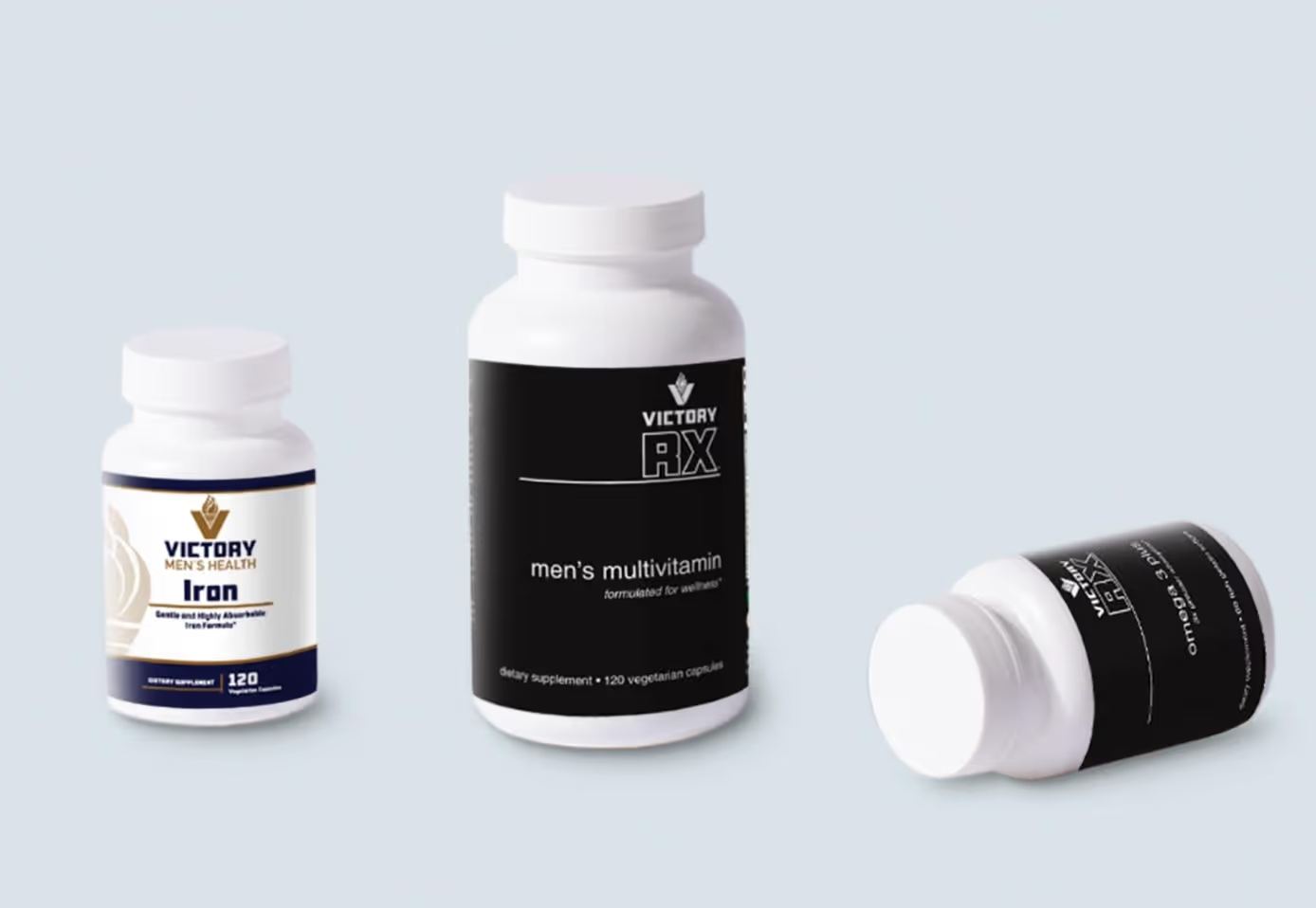
- Magnesium Glycinate
- DHEA
- Pregnenolone
- Vitamin D3
- Zinc
- Ashwagandha
Magnesium Glycinate
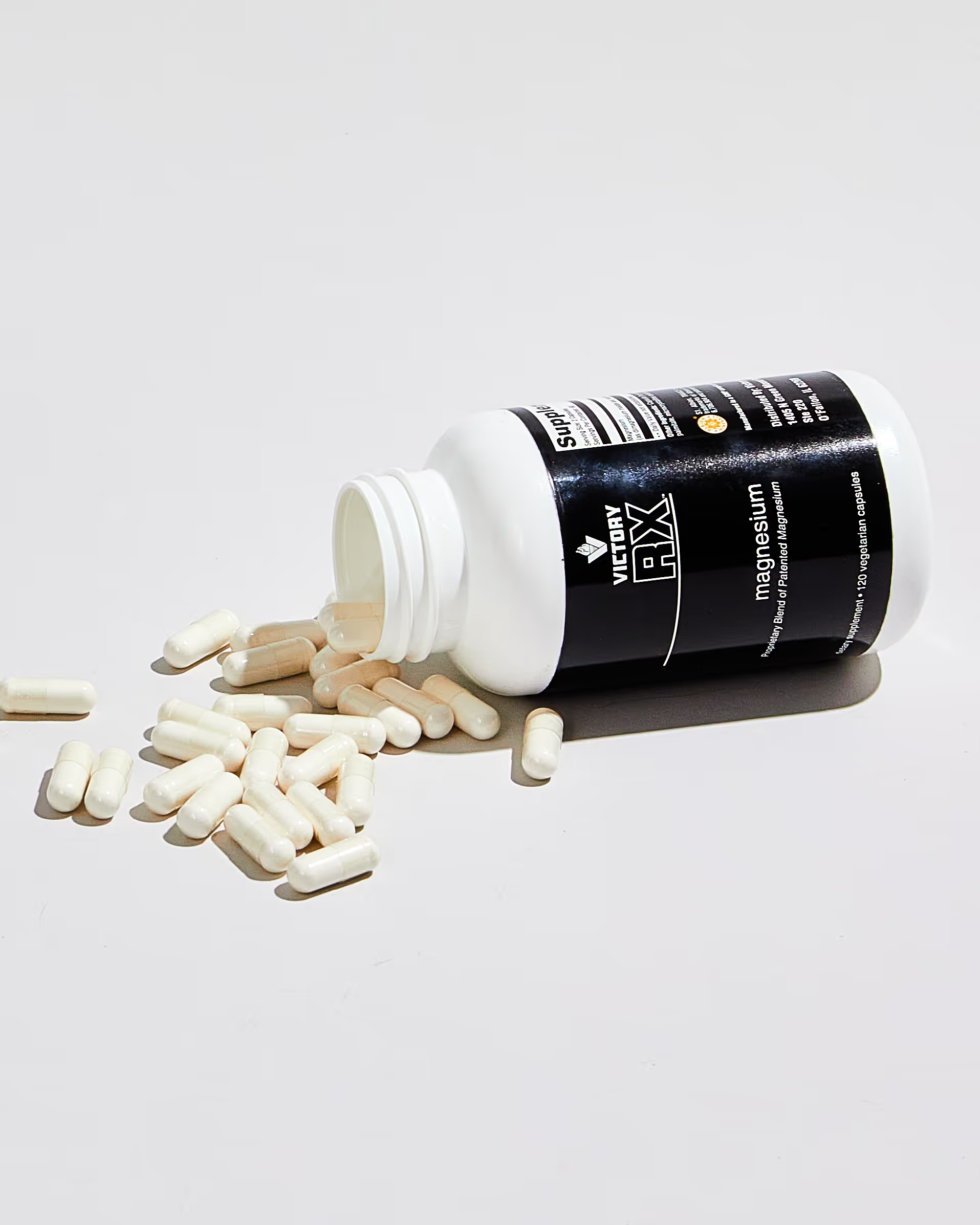
Magnesium plays a key role in over 300 enzyme systems, including those that regulate testosterone. Low magnesium can impact sleep, increase cortisol, and reduce T levels.
We recommend magnesium glycinate because it’s gentle on the stomach, has calming properties, and helps support deeper sleep—all of which are vital for testosterone production and recovery.
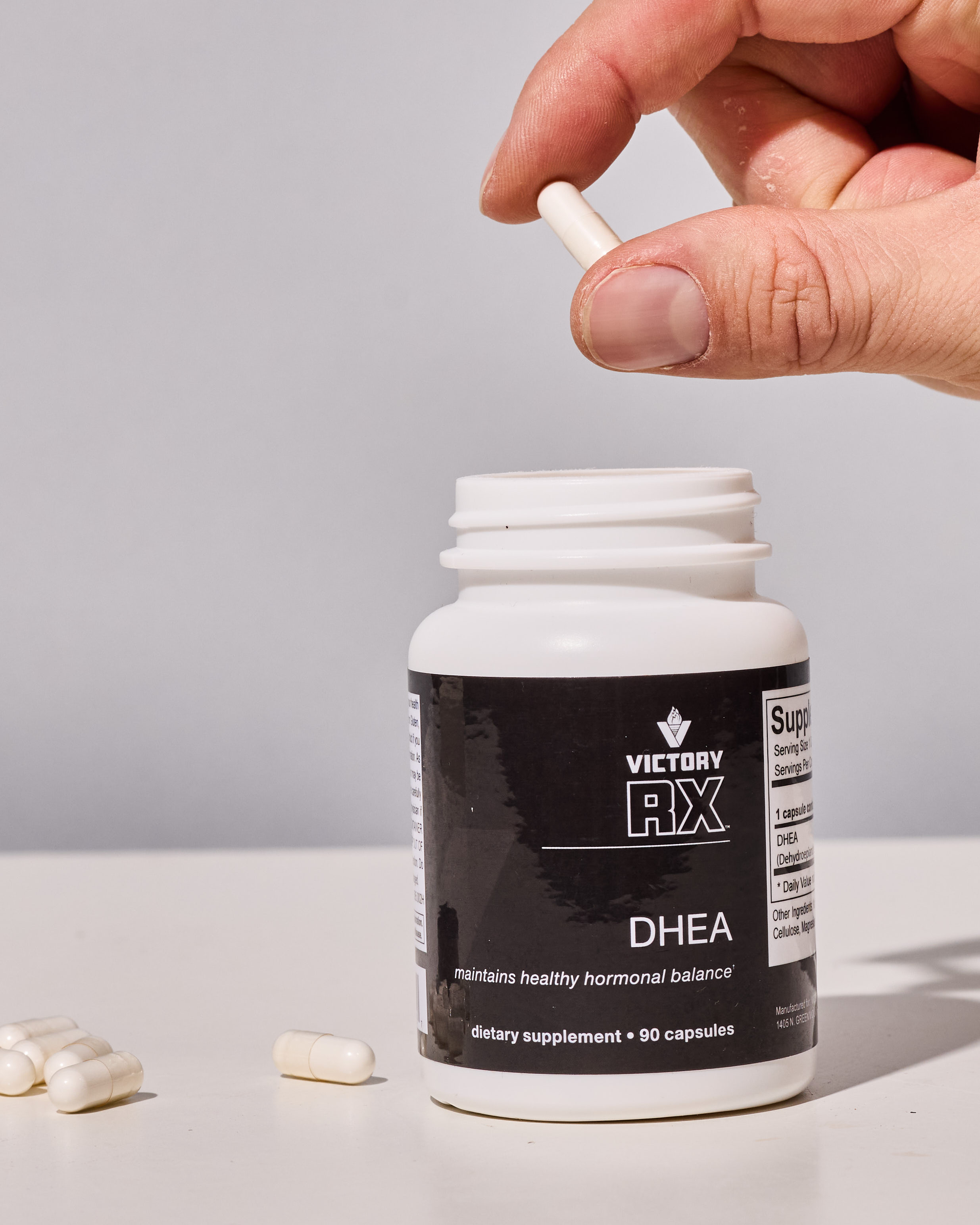
DHEA
DHEA is a hormone produced by your adrenal glands and acts as a precursor to testosterone and estrogen. While it plays a key role in hormone production, supplementing with DHEA alone won’t reliably increase testosterone levels in men.
That said, DHEA has its own benefits—especially for adrenal health—and can be useful in specific cases. It should only be supplemented if your lab work shows you’re deficient. Taking it when your levels are already sufficient can actually backfire and disrupt your hormone balance.
We’ve seen the most success when it’s used strategically, often as part of a broader hormone optimization plan.
Pregnenolone
Pregnenolone is another hormone precursor that supports the body’s ability to make DHEA and testosterone. Low levels can contribute to fatigue, brain fog, and low motivation.
Like DHEA, it’s not a “testosterone booster” in the traditional sense, but restoring pregnenolone when deficient can help improve hormone balance and symptoms. However, if you take it without being deficient, you may wind up feeling worse—so it’s not something to guess about.
Vitamin D3
Vitamin D3 is essential for overall health and plays a role in everything from immune function to hormone production. While some studies suggest it may slightly increase testosterone levels, the research is mixed—and any boost is usually modest.
If you're low, supplementing can still support your health, but don’t assume it’ll solve low testosterone on its own. Always test your levels first to know where you stand, and remember that “normal” is not optimal—levels of 50-80ng/dL are a good target to aim for.
Zinc
Zinc is essential for testosterone synthesis, sperm production, and immune health. It also plays a role in regulating aromatase, the enzyme that converts testosterone to estrogen. If you’re sweating a lot during workouts, eating a low-zinc diet, or drinking regularly, your levels may be suboptimal.
Supplementing with zinc—especially if you’re deficient—can support overall hormone health. But more importantly, understanding why you're low in key micronutrients like zinc can help uncover the root causes of low testosterone.
The most effective approach combines nutrient repletion, strategic lifestyle changes, and, when necessary, medical therapies tailored to your specific needs.
Ashwagandha
Ashwagandha is an adaptogenic herb that helps your body manage stress, AKA one of the biggest roadblocks to healthy hormone levels. Chronic stress increases cortisol, which can suppress testosterone production and leave you feeling fatigued, irritable, or low on drive.
Supplementing with high-quality ashwagandha may help reduce cortisol levels, improve sleep quality, and support overall hormone balance. While it’s not a direct testosterone booster, it creates a more favorable environment for your body to optimize hormone production naturally.
What About Herbal Testosterone Boosters?
Ingredients like fenugreek, tongkat ali, and tribulus are commonly found in "testosterone booster" supplements online—but the evidence is mixed, and we’ve seen too many issues with poor regulation, inconsistent quality, and even contamination.
If you're thinking about taking a supplement that includes proprietary blends with mystery doses of these types of ingredients, we recommend skipping it. Most men do better with a targeted, lab-based supplement plan, not an Amazon shortcut.
When Supplements Aren’t Enough, TRT Can Help
We hear from a lot of men who’ve tried everything, from protein powders and pre-workouts to multivitamins and even trendy “testosterone boosters.” But they still feel exhausted, unfocused, or stuck with low drive and performance. The truth is, no amount of supplements or exercise can fully reverse what’s happening if your body isn’t making as much testosterone anymore.
Testosterone naturally declines with age and can drop even faster with stress, poor sleep, overtraining, under-eating, shift work, or chronic inflammation. Many over-the-counter “boosters” are unregulated, packed with herbal blends, and sometimes even harmful.
The best real “boosters” for testosterone? A nutrient-rich diet, regular exercise without overtraining, quality sleep, stress management, and good digestive health. If you’re not absorbing nutrients well due to gut issues like bloating, constipation, or diarrhea, your hormones can suffer.
However, if you’ve already addressed these areas, your labs don’t show any major deficiencies, and your symptoms are still impacting your life (especially if your free testosterone is low), it may be time to consider TRT. If we find that TRT is the right move after evaluating your lab work, lifestyle, and symptoms, we’ll guide you through a personalized plan that helps you feel like yourself again.
What to Look for in a Testosterone Booster Supplement
The supplement aisle is packed with flashy labels, bold claims, and “testosterone booster” formulas that promise fast results. But some products can do more harm than good if you’re not careful. If you’re considering adding a testosterone booster to your routine, it’s important to know what to look for so you’re not wasting money or throwing off your hormone balance.
The best supplements are backed by research, dosed appropriately, and transparently labeled. Here’s what to keep in mind when looking for supplements for testosterone support:
- Look for third-party testing to ensure purity and label accuracy.
- Avoid proprietary blends that don’t list exact dosages.
- Choose forms backed by research (like magnesium glycinate > oxide).
- Stick to reputable brands that don’t overpromise and underdeliver.
- Remember that supplements should support your health, not replace it.
FAQs About Testosterone Boosters
Do Testosterone Boosters Raise Libido?
They can, especially if your low libido is tied to low levels of vitamin D, magnesium, or DHEA. But if your testosterone levels are already low, supplements may only provide minimal improvement.
Are Testosterone Supplements Safe Long-Term?
Pharmaceutical-grade, evidence-based supplements are generally safe when used at appropriate doses under the guidance of your provider. However, taking more than you need (or the wrong supplement) can backfire. That’s why it’s important to work with a provider who can provide lab work to help you determine the best supplements for your needs.
Are Natural Testosterone Supplements Better Than TRT?
They’re not “better” or “worse”—just different. Supplements may help support lifestyle changes or overall hormone optimization, but for true testosterone deficiency, TRT is often more effective and long-lasting.
Ready to Feel Like Yourself Again?
Most over-the-counter testosterone boosters are overhyped, under-researched, and not worth your money. But that doesn’t mean you’re out of options. When guided by lab work, the right combination of supplements, diet, exercise, and sleep support can help restore hormone balance and improve symptoms.
If you’ve tried everything and still aren’t where you want to be, TRT might be the next step. At Victory Men’s Health, we help men get answers through comprehensive lab work and ongoing monitoring. Ready to feel like yourself again? Book a consultation today and start your journey toward better energy, better focus, and better results.

Related Resources