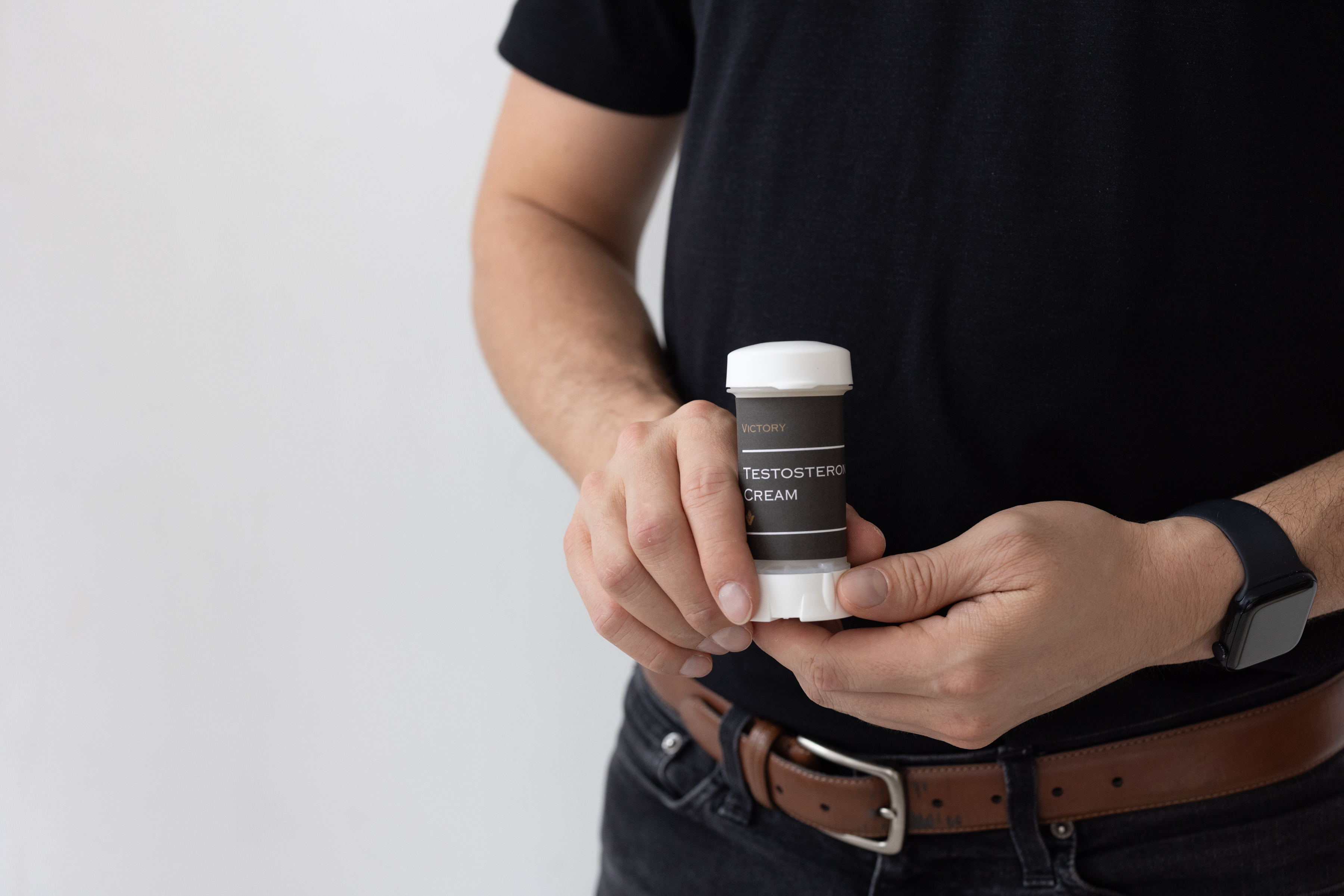
FDA Testosterone Panel: Are We Finally Done With Fear-Based TRT Policy?

In December 2025, the FDA convened an expert panel to reexamine how testosterone replacement therapy (TRT) is labeled, regulated, and discussed in men’s healthcare.

For decades, testosterone has been burdened by warnings and restrictions that were never fully supported by data. Those policies didn’t just shape regulation. They shaped how doctors practice, how patients are counseled, and whether men get timely care at all.

TRT has lived in a gray area for years, and that hasn’t been harmless. 

We see it all the time: Fear-based policy delays diagnosis, creates confusion, and keeps men from getting care that could meaningfully improve their quality of life. Testosterone is widely prescribed and clearly beneficial for many men, yet it’s still treated with unnecessary suspicion.

We’re breaking down what actually came out of the FDA testosterone panel held in December 2025 and what it means if you’re considering testosterone therapy or already using it. And if you want to hear the full discussion firsthand, you can watch the complete session after reading.

What Was the FDA Testosterone Panel?

The FDA testosterone panel brought together experts in urology, sexual medicine, endocrinology, and men’s health to review how testosterone replacement therapy is currently labeled and regulated. 

It wasn’t about whether testosterone “works,” since that question has been answered. It was about whether decades-old warnings still reflect modern data or whether they’ve been standing in the way of appropriate care.

Panelists were asked to revisit long-standing concerns around prostate cancer, cardiovascular risk, and who should even be allowed to receive TRT. The conclusion was clear: Much of the existing TRT policy does not align with modern data or clinical practice.

That may sound new at the regulatory level, but it reflects what we have been seeing for years. Science has moved a lot faster than policy, and this panel was long overdue.

Why Is There a Testosterone Stigma?

Testosterone didn’t earn its stigma through evidence. It inherited it.

It’s been culturally linked to gyms, “meatheads,” and steroid abuse—then further distorted by the false idea that low T automatically means ED. It doesn’t. They can overlap, but they aren’t mutually exclusive.

That perception created real consequences: men stopped talking about symptoms, labs were downplayed, and many were discouraged from seeking care. Too often, primary care treats low testosterone as “not a real issue.” Over time, the narrative hardened into training and labeling that still influences care today—despite the science.

The FDA testosterone panel called out this disconnect between outdated beliefs and the reality that testosterone is a vital health marker that should be evaluated, not dismissed.

Does Testosterone Increase Prostate Cancer Risk?

Prostate cancer has been one of the most persistent fears tied to TRT, so it was a central topic during the FDA testosterone panel.

According to panel expert Dr. Abraham Morgentaler, Harvard urologist and pioneer researcher on testosterone and prostate cancer:

  • Testosterone is not a carcinogen.
  • Modern data does not show increased prostate cancer risk with properly monitored TRT.
  • Long-standing contraindications are based on outdated assumptions.

Despite this, FDA labeling still includes warnings that suggest TRT is unsafe for men with prostate cancer or even suspected prostate cancer. Panelists argued that these warnings are not supported by contemporary evidence and unnecessarily discourage appropriate care.

We’ve seen many patients who were scared out of treating their low testosterone symptoms after discussing it with a primary care doctor because the old narrative still gets repeated: TRT equals prostate cancer risk.

Evidence-based medicine requires a willingness to update beliefs as new data emerges.

Is TRT Safe for the Heart? What the FDA Testosterone Panel Said

Heart risk has been another loud warning attached to testosterone for years. For many men, it was the reason they were told TRT simply wasn’t worth the risk. The TRAVERSE trial changed that conversation.

With over 5,000 men followed, including those with existing cardiovascular risk, the study found no increase in major cardiac events with testosterone therapy.

When the FDA removed the cardiovascular black box warning in early 2025, it acknowledged what the data had already shown. The December FDA panel reinforced that point: appropriate screening and monitoring matter far more than fear-based avoidance.

Here are some key points from the TRAVERSE trial:

  • Over 5,200 men aged 45 to 80 were followed.
  • Participants had existing or high cardiovascular risk.
  • Rates of major cardiac events were similar between testosterone and placebo groups.

Why Is Testosterone Still a Controlled Substance?

Testosterone’s classification as a Schedule III controlled substance wasn’t designed with patient care in mind. It was a response to illicit steroid abuse, not evidence-based testosterone therapy.

Decades later, that classification still shapes how testosterone is perceived and accessed. And when legitimate care becomes hard to obtain, men don’t stop looking for answers. They just find them elsewhere, often without proper oversight.

That’s how you end up with fragmented care, poor oversight, and unnecessary TRT risk. According to panel experts, Schedule III status contributes to:

  • Increased stigma around testosterone therapy
  • Limited access through traditional medical channels (and difficulty maintaining a steady supply of medication) 
  • Growth of unregulated alternatives

Who Is TRT Meant For? FDA Labels vs. Medical Guidelines

One of the most frustrating realities for patients is being told two conflicting things at once: your symptoms and labs qualify you for TRT, but the FDA says otherwise. Currently, TRT approval is limited to men whose low testosterone is caused by specific disorders of the testes or brain. 

Right now, testosterone policy doesn’t reflect how low T shows up in real life. Men can feel the symptoms, see it in their labs, and still hit roadblocks because the official labeling hasn’t caught up.

Panelists called on the FDA to update testosterone indications so physicians can focus on treating patients, not navigating outdated rules that no longer match the science.

What the FDA Testosterone Panel Means for Men

The FDA testosterone panel probably won’t bring immediate policy changes, but it marks an important shift in tone and direction. For men already on TRT, this discussion validates what evidence-based clinics like Victory Men’s Health have practiced for years. 

For men considering therapy, it offers reassurance that many of the fears surrounding testosterone are being reevaluated. Here’s what it means in practical terms:

  • Testosterone deficiency is increasingly recognized as a legitimate health issue
  • Fear-based barriers to care are being challenged
  • Individualized, symptom-based treatment remains essential

The message from the panel was one we wholeheartedly agree with: testosterone therapy should be guided by evidence, not stigma.

It’s Time to Abandon Fear-Based TRT Policy

While regulatory change takes time, it’s clear that many of the fears that shaped TRT policy for decades are no longer supported by current evidence. Testosterone deficiency is a real medical condition that affects your health, quality of life, and long-term outcomes. 

At Victory Men’s Health, this science-first approach has always guided our care. We prioritize symptom-based evaluation and personalized treatment plans designed to support long-term health.

Men & Progesterone: Why You Should Avoid This Hormone Like the Plague

If you’ve been digging into hormone optimization lately, you might’ve come across some surprising (and misleading) advice about men and progesterone. Between online forums and one-size-fits-all treatment plans, there’s a growing wave of confusion. 

One of the more concerning health trends we’ve seen lately? Men being told to take progesterone.

Yes, progesterone, the hormone best known for supporting pregnancy in women. Some men are getting tested, seeing “low” numbers, and assuming it needs to be raised. But progesterone has no business being in a man’s supplement or treatment plan, and we’re here to explain why.

We recently sat down with Dr. Lauren Fitz and Kristi Hales on the Women Want Strong Men podcast to discuss why progesterone is not only unnecessary, but potentially dangerous for men. Check it out below, then keep reading for more on why you should avoid this hormone. 

What is Progesterone? Why Do Women Need It, But Not Men?

Let’s start with the basics. Progesterone is a pro-gestational hormone, which  means its primary role is to support fertility and pregnancy. It’s naturally produced in large amounts in women, particularly during the second half of the menstrual cycle and during pregnancy.

Men have trace amounts of progesterone, but it serves little to no functional purpose in the male endocrine system. Those low levels are normal, natural, and necessary—they don’t need to be fixed or “optimized.”

Unlike testosterone, which fuels energy, libido, muscle mass, and mood in men, progesterone plays no supportive role in men’s health. When it’s added in through supplementation, it can throw your system way out of balance. In the next section, we’ll explain why.

Why Progesterone Is Dangerous for Men

While men naturally produce small amounts of progesterone—and that’s completely normal—taking progesterone as a supplement can actually work against your health goals. Unlike what some misguided advice might suggest, supplementing with progesterone can interfere with key functions like testosterone production, blood flow, and metabolism.

It’s one of the few hormones where the potential downsides far outweigh any perceived benefits, and most men have no idea what they’re walking into when they start taking it. Let’s take a closer look at why progesterone is dangerous for men. 

Side Effects of Progesterone in Men

When men take progesterone, they may experience:

  • Inflammation – Progesterone raises inflammatory markers in men, which increases the risk of heart disease and other chronic conditions.
  • Cardiovascular risk – According to pharmacist Kristi Hales, it can directly raise your risk of a major cardiovascular event.
  • Metabolic dysfunction – Supplementing progesterone can worsen blood sugar regulation and increase body fat, especially around the midsection.
  • Hormonal suppression – It can suppress testosterone production, worsening symptoms of low T rather than fixing them.
  • Mood and energy crashes – Many men feel more fatigued, emotionally flat, or even depressed after taking progesterone.

Progesterone and Erectile Dysfunction

If you’re taking progesterone and wondering why your libido disappeared—it’s probably because progesterone kills the male sex drive. In fact, it was once used as a chemical castration tool in prisons. As Kristi Hales pointed out on the Women Want Strong Men podcast, “If you want to cash in on a man’s life insurance policy, give him progesterone.”

Along with suppressing libido, progesterone can also cause erectile dysfunction by interfering with nitric oxide and testosterone pathways. 

Sure, some guys report deeper sleep from progesterone, but that’s not worth sacrificing your sex drive or cardiovascular health. There are safer, more effective ways to support sleep (like melatonin, diet changes, or optimizing testosterone).

Progesterone & Hormone Forums: Misinformation Alert

Progesterone & Hormone Forums: Misinformation Alert | Victory Men's Health

A quick browse through TRT forums or online male hormone groups will show just how common the misinformation is. Men are testing progesterone levels, seeing that they’re “low,” and assuming they need to raise them. But guess what?

Progesterone is supposed to be low in men.

It’s not something that needs to be “brought into range.” Measuring it can be misleading, and supplementing it based on numbers alone is risky business. Worse, some hormone academies and lesser-known training programs are still recommending it, despite the lack of evidence and growing list of harmful side effects.

As Dr. Lauren Fitz and Kristi Hales emphasized on the podcast: if your healthcare provider is recommending progesterone for men, that’s a red flag. It shows a serious lack of understanding of male hormone physiology.

Why You Should Avoid Progesterone Supplements at All Costs

Let’s be clear: no reputable hormone specialist or evidence-based clinic will ever recommend progesterone to a man. If you’re working with someone who’s pushing it—or you’re seeing it recommended in a Facebook group or Reddit thread—it’s time to run the other way.

The risks aren’t just theoretical. Supplementing progesterone as a man can:

  • Worsen your testosterone levels
  • Cause sexual dysfunction
  • Increase your risk of heart attack or stroke
  • Leave you feeling foggy, inflamed, and fatigued

There are zero clinical benefits and plenty of potential downsides. There’s simply no upside here—progesterone has no role in male hormone optimization.

So, How Do I Improve My Health as a Man?

“If progesterone isn’t the answer…what is?” Don’t worry, there are powerful, proven ways to support your hormones, energy, libido, and overall well-being without putting your health at risk. 

At Victory Men’s Health, we take a holistic, science-backed approach to hormone optimization. That means focusing on what actually works based on real labs, clinical research, and years of experience helping men feel like themselves again. 

Here are some of the ways you can improve your health (without progesterone): 

  • Optimize testosterone – Testosterone replacement therapy (TRT) can dramatically improve mood, strength, libido, and stamina if your levels are low.
  • Support thyroid function – Thyroid plays a major role in metabolism and energy, and many providers miss the mark by not testing Free T3. 
  • Lower visceral fat – Excess visceral fat raises inflammation and crushes hormone health. It’s most accurately measured with a DEXA scan, but the InBody scales in our clinics also quantify visceral fat, making it easy to track your progress over time.
  • Clean up your lifestyle – Diet, sleep, exercise, and removing endocrine-disrupting chemicals (EDCs) can significantly improve hormone balance.
  • Work with a qualified provider – Partner with providers who understand male hormones, track real labs, and customize your care, like our team.

Men & Progesterone: What Our Patients Ask

Is Progesterone Ever Safe for Men to Take?

No. There’s no known clinical benefit for men supplementing progesterone. The risks far outweigh any potential use, including increased inflammation and suppressed testosterone.

Why Are Some Providers Still Prescribing It?

Some hormone academies or outdated training programs still recommend progesterone for men, but the science doesn’t support it. If your provider suggests it, get a second opinion.

What Are Signs I’ve Been Negatively Affected by Progesterone?

Loss of libido, erectile dysfunction, fatigue, mood changes, or unexplained inflammation could all be side effects. If you’re a man taking progesterone, stop supplementation and start questioning your provider.

Can Progesterone Lower Testosterone?

Yes. Progesterone can suppress the body’s production of testosterone, leading to worsened symptoms of low T and hormonal imbalance.

What’s the Right Approach for Men Over 40 with Hormone Issues?

A personalized plan that goes beyond just testosterone. Men often need to optimize multiple hormones affected by age-related decline—including DHEA, pregnenolone, melatonin, and testosterone (which also impacts estradiol and DHT levels). 

The most effective approach combines comprehensive hormone support, metabolic testing, and lifestyle improvements, designed by a provider who specializes in men’s health.

Get Real Answers About Your Hormones 

Don’t fall for the hype, forums, or misguided protocols. Progesterone is not the hormone you’ve been missing. It’s also not the solution to your fatigue, low libido, or sleep issues. At Victory Men’s Health, we help men get real answers with advanced testing, hormone therapy, and personalized treatment plans crafted by a team that actually understands male physiology. 

No dangerous trends or unnecessary supplements, just science-backed care that helps you feel strong, sharp, and in control again. Ready to get real answers about your hormones so you can start feeling like the best version of yourself? 

Contact us today to book a consultation and begin your journey to better health.

Hormone Replacement Therapy for Men vs. Women

hormone replacement therapy - man walking into Victory Men's Health clinic

Hormones impact nearly every aspect of our lives, from energy and mood to sleep and relationships. When our hormone levels drop, the effects can leave us feeling like a shadow of ourselves. The good news? Hormone replacement therapy (HRT) for men and women offers a powerful way to restore balance and help you feel confident again.

On a recent episode of the Women Want Strong Men podcast, we discussed all things HRT with Anna Griffith, DNP, diving into the unique challenges men and women face as their hormones change. Check out the full episode below, then keep reading to learn more. 

Whether it’s testosterone therapy for men battling low libido or hormone optimization for women navigating menopause, HRT offers tailored solutions to help both sexes thrive. In this blog post, we’ll explore the key differences between hormone replacement therapy for men vs. women. From benefits to side effects and how to get started, we’re covering it all. Let’s dive in. 

What Is Hormone Replacement Therapy (HRT)?

Hormone replacement therapy (HRT) is a treatment designed to replenish hormones that have naturally declined due to aging, stress, or other factors. It’s not just fixing a few symptoms—HRT is a comprehensive approach to optimizing your health and well-being.

For Men: HRT typically focuses on testosterone replacement therapy (TRT), which addresses declining testosterone levels associated with aging. However, this can also include DHEA, pregnenolone, and possibly thyroid medication or melatonin. 

For Women: HRT often involves a combination of hormones like estrogen, progesterone, testosterone, thyroid, DHEA, pregnenolone, and melatonin (some or all of them) to manage the effects of menopause and hormonal imbalances.

While both men and women can benefit from HRT, the treatment protocols for each differ because of their unique hormonal systems. 

Why Do Men and Women Need HRT?

As we age, many of us chalk up feeling tired, moody, or “off” to just getting older. But what if there’s more to it? For both men and women, declining hormone levels can quietly wreak havoc on our energy, mood, sleep, and even relationships. 

You might notice changes like struggling to keep up with the kids, losing motivation at work, or feeling less confident in your own skin. Hormone replacement therapy (HRT) isn’t about reversing the clock, but restoring balance so you can feel stronger and more like yourself again.

HRT For Men

Testosterone levels naturally decline as men age, a process often referred to as andropause. By the time men hit their 40s or 50s, they may experience symptoms like:

  • Fatigue and low energy
  • Reduced libido and sexual performance
  • Muscle loss and difficulty building strength
  • Mood swings, irritability, or feelings of depression

For many men, HRT is the solution to restoring energy, improving physical performance, and reigniting confidence.

HRT For Women

For women, hormonal changes are often more dramatic, especially during perimenopause and menopause. The decline in estrogen and progesterone can lead to symptoms like:

  • Hot flashes and night sweats
  • Sleep disturbances and fatigue
  • Mood swings and anxiety
  • Vaginal dryness and reduced libido
  • Increased risk of osteoporosis and cardiovascular disease

HRT helps women regain control by addressing these symptoms and providing long-term health benefits, such as bone protection and cardiovascular health support.

What Are the Differences Between HRT for Men and Women?

Hormone replacement therapy isn’t one-size-fits-all, and that’s a good thing. Men and women experience different hormonal shifts, which means their treatment plans should reflect their unique needs.

The beauty of HRT is that it’s customizable. 

Whether it’s a man regaining his physical edge or a woman finding relief from relentless hot flashes, each journey is tailored to the individual. Let’s take a look at the key differences between hormone replacement therapy for men vs. women.

Hormones Involved

  • Men: Testosterone replacement therapy (TRT) is the primary focus, aiming to restore testosterone levels. However, you should work with a provider who tests and addresses all hormones—not just one. 
  • Women: Women often require a combination of hormones, including estrogen, progesterone, and testosterone, depending on their symptoms and needs.

Treatment Goals

  • For Men: The main objectives are boosted energy, libido, mental clarity, improved metabolism for muscle growth and fat loss, reduced risk of diabetes, bone health, and improved cognition. 
  • For Women: The goals are generally to alleviate menopause symptoms (e.g., hot flashes, mood swings, and painful intercourse), improve bone density, boost metabolism, improve sex drive, reduce the likelihood of cardiovascular disease and dementia, and protect long-term health. 

Delivery Methods

  • Men: Options include injections, gels, creams, pellets, or pills.
  • Women: Women may use patches, creams, pills, or injections, often in specific combinations tailored to their unique health needs.

Monitoring and Dosage

  • Men: Regular comprehensive lab tests, including complete blood counts, prostate-specific antigen (PSA), and a full hormone panel, are essential to ensure safe and effective testosterone treatment.
  • Women: Monitoring focuses on balancing multiple hormones for optimal benefit to symptoms and long-term health, and adjusting dosages or delivery form if side effects like bleeding or breast tenderness occur.

What Are the Benefits of Hormone Replacement Therapy?

The benefits of HRT can give people their lives back. For men, it can mean having the energy to hit the gym again or the confidence to reconnect with their partner. For women, it’s often about regaining peace of mind and feeling comfortable in their own skin. 

Whatever the need, HRT offers a path to feeling stronger, healthier, and more like the best version of yourself. Here are the benefits of hormone replacement therapy to consider: 

Benefits for Men

  • Increased energy and stamina
  • Enhanced libido and sexual performance
  • Improved muscle mass and strength
  • Better focus and mental clarity
  • Reduced risk of cardiovascular disease

Benefits for Women

  • Relief from hot flashes and night sweats
  • Improved mood and reduced anxiety
  • Better sleep quality
  • Increased bone density and reduced osteoporosis risk
  • Enhanced sexual health, including reduced vaginal dryness and improved libido

HRT Side Effects for Men vs. Women

Like any medical treatment, HRT comes with potential side effects. With a careful approach and ongoing guidance, side effects are usually mild and temporary. Working with a knowledgeable healthcare provider makes all the difference in turning potential challenges into manageable adjustments. Here are the possible side effects to be aware of. 

For Men 

  • Acne or oily skin
  • Increased red blood cell count 
  • Mild fluid retention
  • Decreased fertility

For Women 

  • Breast tenderness
  • Slight increased risk of blood clots (depending on the form administered and the patient’s risk factors) 
  • Spotting or irregular bleeding during adjustment periods

Questions Our Patients Ask About HRT for Men and Women

Does TRT Cause Cancer?

No, there’s no evidence that testosterone replacement therapy (TRT) causes cancer. 

Is HRT Only for Menopause?

No, HRT isn’t just for menopause. Women may need HRT for other hormonal imbalances, and men benefit from HRT at various life stages.

How Do I Know If I Need HRT?

If you’re experiencing symptoms like fatigue, mood swings, or decreased libido, a hormone test and consultation can determine whether hormone replacement therapy is right for you.

Is Hormone Replacement Therapy Safe?

Yes, when administered and monitored by a qualified provider, HRT is safe and effective for men and women with a hormonal imbalance. 

How Long Does it Take for HRT to Work?

Most people notice improvements within a few weeks, but experiencing the full range of benefits may take several months as your hormone levels stabilize.

Where Can I Go For HRT?

Victory Men’s Health! We specialize in hormone optimization and offer personalized treatment plans tailored to your unique lifestyle, needs, and goals.

Take the First Step Toward Feeling Your Best

Hormone replacement therapy is about restoring your confidence, vitality, and quality of life. Whether you’re a man looking to regain energy and muscle strength or a woman seeking relief from menopause symptoms, HRT can make a big difference.


At Victory Men’s Health, we understand that every individual is unique, and we’re here to create a treatment plan that works for you. Ready to take the next step? Contact us today to schedule your consultation and start feeling like yourself again.